The origin of current Human Resources perspectives

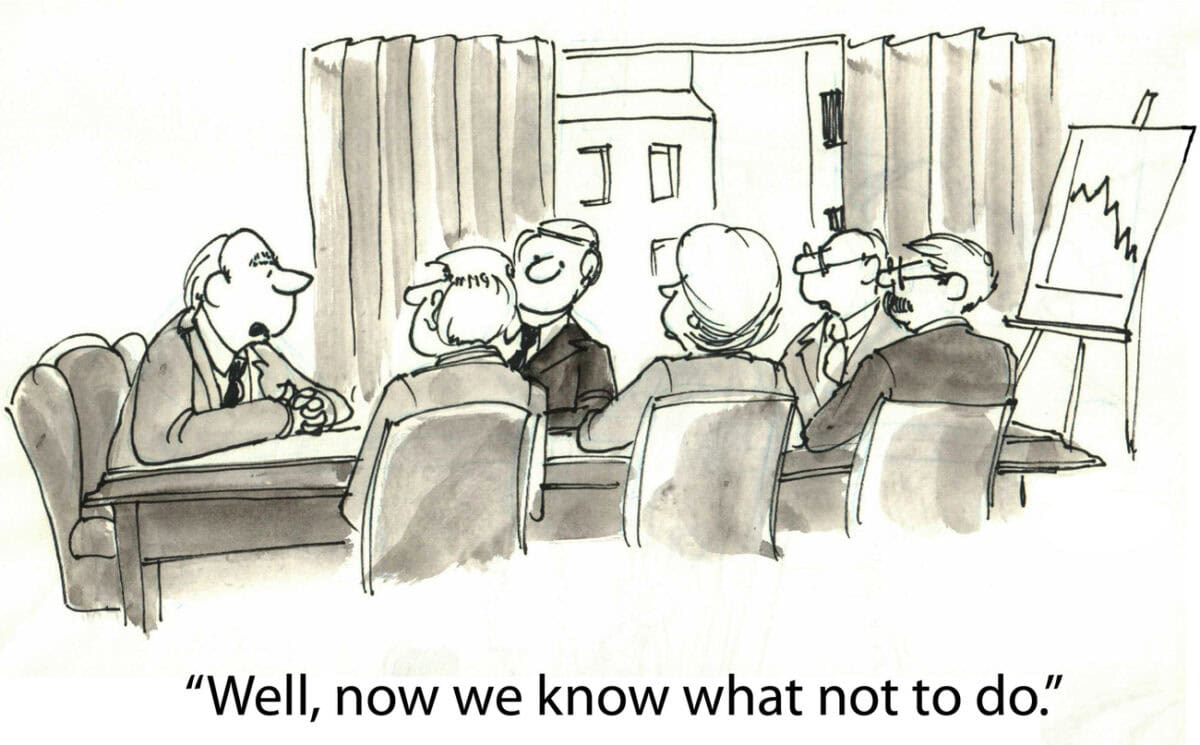
The human resources (HR) discipline is often criticised for not considering the interests of workers as its primary consideration. This is not a recent phenomenon. To understand the origins of this criticism, looking at some of the research into the discipline from before the wellness industry dominated many of the HR approaches to occupational health and safety …

Subscribe to SafetyAtWorkBlog to continue reading.
Subscribe Help
Already a member? Log in here

Why does the Human Resources profession struggle with preventing psychological and psychosocial harm?

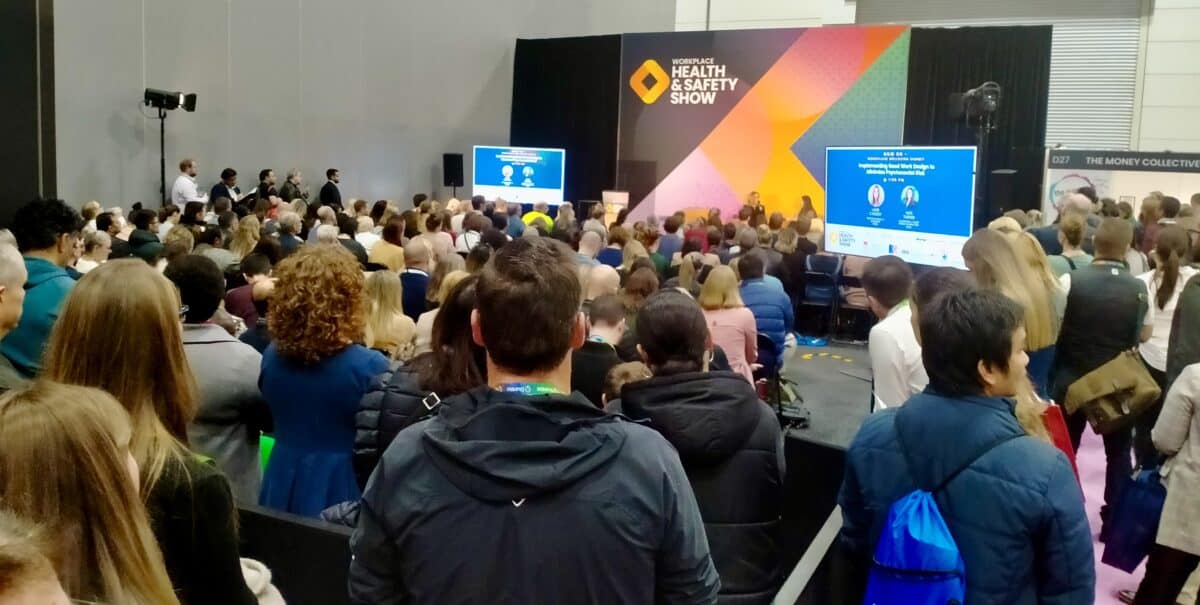
I am not immune to the worries and potential of using Artificial intelligence (AI) tools in my occupational health and safety (OHS) work and writings. As with millions of others, my relationship is a work in progress. I have long used the transcription software Otter.ai to transcribe short interviews. It remains less accurate than human …

Subscribe to SafetyAtWorkBlog to continue reading.
Subscribe Help
Already a member? Log in here

Is safe work a basic, or fundamental, human right?

Early this century, according to a draft conference paper* in the SafetyAtWorkBlog archives, the late Eric Wigglesworth OAM posed the following question: “In addition to our basic human rights of freedom of speech and freedom of religion, should there also be freedom from injury as a basic human right?” The expectation of a safe and healthy work … Continue reading “Is safe work a basic, or fundamental, human right?”

Wrong safety messages from Australia’s resources minister

“IMPROVED SAFETY FOR URANIUM WORKERS” is the headline of a media release from Australia’s Minister for Resources and Energy, Martin Ferguson.  The 9 June 2011 statement concerns the positive initiative of new health monitoring for those workers in the uranium mining and milling industries, but it also betrays a perspective that is dominant in the thinking … Continue reading “Wrong safety messages from Australia’s resources minister”

Why Leadership Empathy Is Not Enough to Prevent Psychosocial Harm

In 2000, Graeme Cowan‘s world collapsed after the “dot-com crash“, leading to an attempt to end his own life. His new book, “Great Leaders Care: Developing Safe, Resilient and Successful Teams“, is an analysis of the consequences of those times and the tools he discovered to stabilise his mental health. There are two clues to …

Subscribe to SafetyAtWorkBlog to continue reading.
Subscribe Help
Already a member? Log in here