Revisiting the Human Condition of Work: Why Dignity Still Sits at the Centre of Safety

Discussions about “the human condition” rarely make it into board papers or safety strategies, yet they sit underneath almost every modern workplace challenge. Whether we’re talking about psychosocial hazards, insecure work, presenteeism, or the slow cultural erosion that comes from constant restructuring, the through‑line is unmistakable: work is a profoundly human activity, and when we …

Subscribe to SafetyAtWorkBlog to continue reading.
Subscribe Help
Already a member? Log in here

When Ideology Masquerades as Analysis

I pride myself on listening to a broad range of views, so I purchased a recent book called “The Dark Legacy of Daniel Andrews – Assessing the Social and Economic Costs of Australia’s Most Controversial Premier“. Reading it stretched my patience as few of the various writers acknowledged that Premier Dan Andrews saved many lives …

Subscribe to SafetyAtWorkBlog to continue reading.
Subscribe Help
Already a member? Log in here

Why Global Initiatives Won’t Prevent Workplace Harm

Every few years, a new global initiative arrives promising to reshape corporate behaviour. The Sustainable Development Goals (SDGs) were meant to align business with human well-being. The Global Reporting Initiative (GRI) promised transparency. ESG (Environmental, Social and Governance) reporting was sold as the market‑friendly mechanism that would finally make corporations care about people and the …

Subscribe to SafetyAtWorkBlog to continue reading.
Subscribe Help
Already a member? Log in here

Why Corporations Reject the Models That Would Prevent Harm

Walk through any corporate sustainability report and you’ll find the same familiar choreography: a glossy declaration of “unwavering commitment to safety,” a handful of photos featuring smiling workers in immaculate PPE, and a CEO foreword that reads like it was written by a risk‑averse committee. What you won’t find is any serious engagement with the …

Subscribe to SafetyAtWorkBlog to continue reading.
Subscribe Help
Already a member? Log in here

The economics of OHS and the need to think upstream

Michael Belzer and Michael Quinlan have outlined the economics of occupational health and safety (OHS) in the editorial of the latest edition of The Economic and Labour Relations Review. This contrasts with earlier research about the business case for OHS as it broadens the pool of influences more broadly. They write: “The economic approaches to …

Subscribe to SafetyAtWorkBlog to continue reading.
Subscribe Help
Already a member? Log in here

To understand Safety, one must understand Work
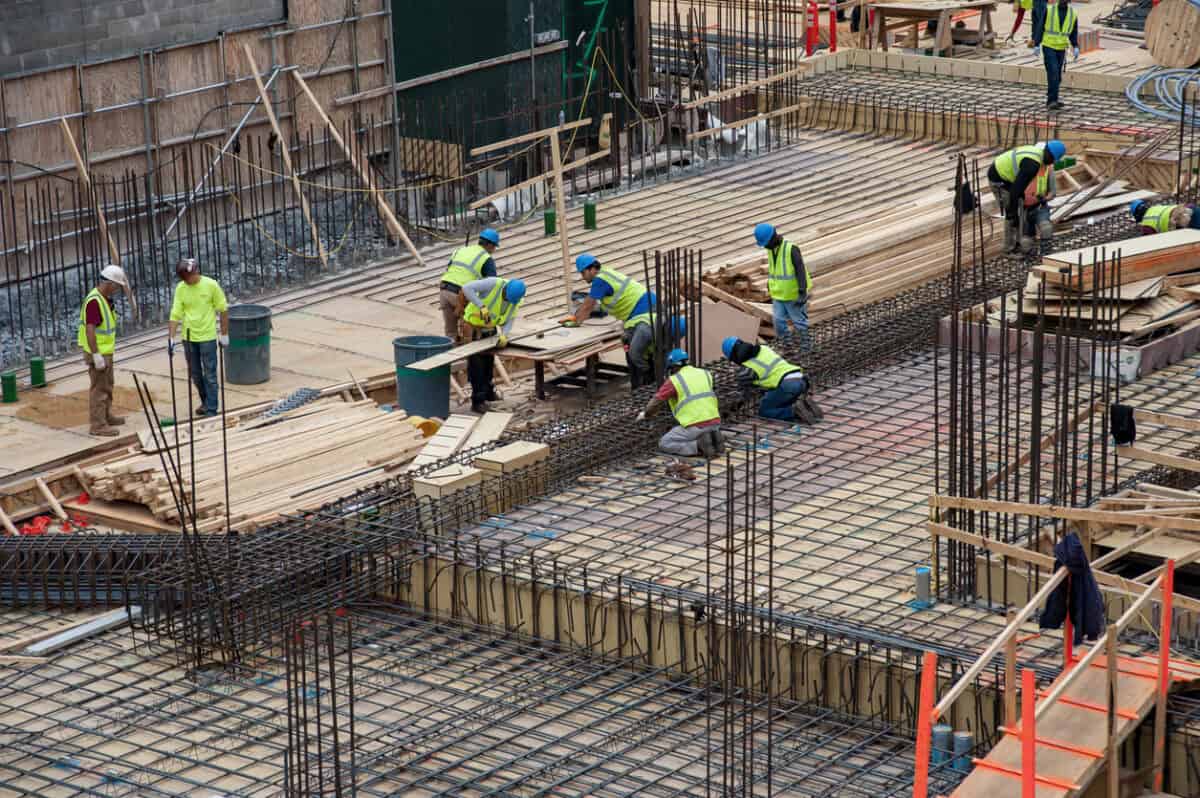
To understand occupational health and safety (OHS), you must understand the broader topic of work. Work is not necessarily more complex than OHS, but there are more opportunities to be distracted. Earlier this year, Andrea Komlosy‘s excellent analysis of work—”Work—The last 1,000 years“—was published in English for the first time. The book hardly discusses OHS, …


Subscribe to SafetyAtWorkBlog to continue reading.
Subscribe Help
Already a member? Log in here

An industrial relations perspective on psychosocial hazards

The prevention of workplace psychosocial hazards will be an increasing issue of concern and debate in 2024 as more Australian jurisdictions re-emphasize the application of occupational health and safety (OHS) laws to this insidious hazard.  That debate requires a broad range of voices to better understand prevention strategies and to assess existing strategies that have …

Subscribe to SafetyAtWorkBlog to continue reading.
Subscribe Help
Already a member? Log in here