Brodie Panlock, workplace bullying and the limits of outrage

Workplace bullying has a habit of becoming visible only after harm has already occurred. In 2010, the 2006 death of 19-year-old Brodie Panlock became the point at which many Australians first understood that bullying at work was not merely a Human Resources (HR) irritant, or a personality weakness, or one of those unfortunate things that …

Subscribe to SafetyAtWorkBlog to continue reading.
Subscribe Help
Already a member? Log in here

20th Anniversary of Significant Workplace Bullying Fatality

I am old enough to remember the work-related suicide of Brodie Panlock in 2006, meaning this year is the 20th anniversary. Her death, the findings of the Victorian Coroner and the prosecution by WorkSafe Victoria are pivotal to how workplace bullying and mental health at work are seen and managed today. But there is a …

Subscribe to SafetyAtWorkBlog to continue reading.
Subscribe Help
Already a member? Log in here

From Complaints to Control—IAWBH2026 and the Quiet Revolution in Psychosocial Safety

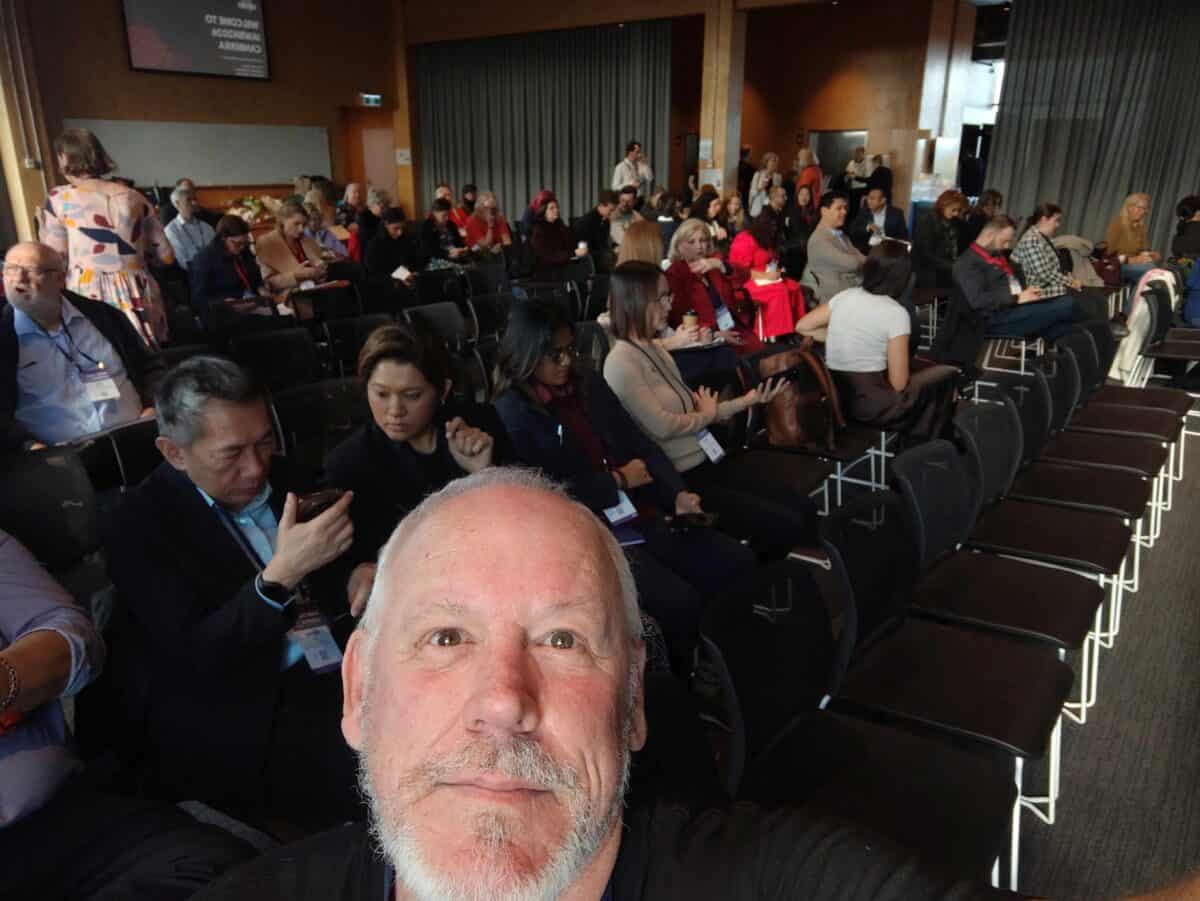
The 2026 conference for the International Association on Workplace Bullying and Harassment (IAWBH) was held in Canberra in June 2026. I was always curious about how prominent the term “psychosocial hazards” would be at this conference. It seems that most of the world still talks about workplace bullying and harassment and sexual harassment separately from …

Subscribe to SafetyAtWorkBlog to continue reading.
Subscribe Help
Already a member? Log in here

Legal advice is not always as helpful as it may seem

The risks of not managing psychosocial hazards at work were heightened when SafeWorkNSW issued a prohibition notice to the University of Technology Sydney (UTS) following allegations of potential psychological harm to staff associated with a restructuring strategy in September last year. The reactions included confusion and outrage at an occupational health and safety (OHS) regulator …

Subscribe to SafetyAtWorkBlog to continue reading.
Subscribe Help
Already a member? Log in here

What the new push for Australian values means for work

Every company seems to have a Mission Statement, a Values Statement, or something similar that all employees are expected to follow and comply with. Largely, these are aspirational statements, but they are sometimes invoked when/if an employee needs to be disciplined or dismissed. The values are often vague and lend themselves to various interpretations, even …

Subscribe to SafetyAtWorkBlog to continue reading.
Subscribe Help
Already a member? Log in here

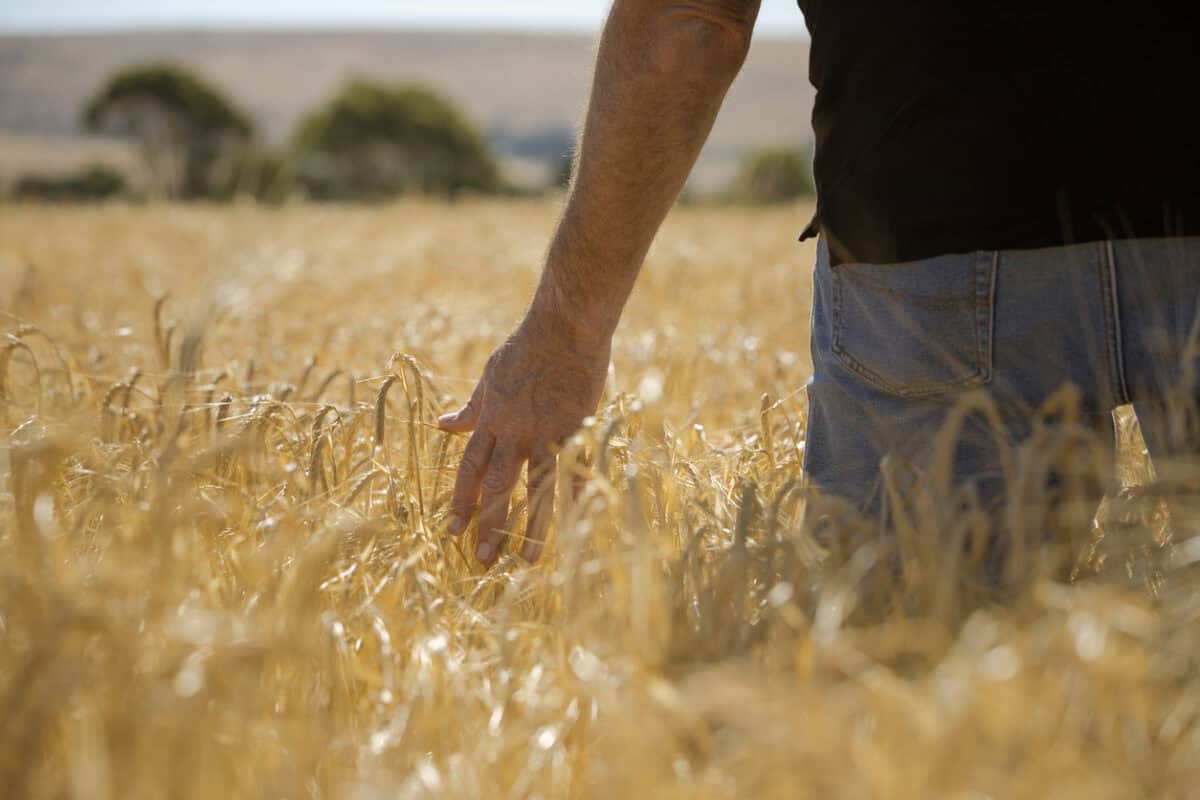
Agriculture Has the Injuries of a Regulated Industry, But Not the Regulation

Over the past few months, I have increasingly encountered the term “regulated industries” in the context of occupational health and safety (OHS) laws. In OHS in Australia, these industries seem predominantly to include: I can identify no reason why farming should not also be a “regulated industry”....

Subscribe to SafetyAtWorkBlog to continue reading.
Subscribe Help
Already a member? Log in here

We let people off the hook when we keep talking about organisations and corporations

Over the last few decades, occupational health and safety (OHS) thinking has emphasised that the tangible hazards and risks at work are primarily created by unsafe systems of work or by poor organisational culture or maturity. I am not sure that “organisational” is the most appropriate adjective. There are better alternatives: terms that re-humanise the …

Subscribe to SafetyAtWorkBlog to continue reading.
Subscribe Help
Already a member? Log in here