

Recently, Australia’s politics were focused on an Economic Roundtable hosted by Treasurer Jim Chalmers. Chalmers sought proactive, low- or no-cost initiatives to improve Australia’s productivity. Occupational health and safety (OHS) is rarely, if ever, discussed at these national consultations. However, if we accept, as many believe, that OHS is unnecessary red tape, does this offer an opportunity for legislative reform?
Category: Artificial Intelligence

Political Reforms Drive Some Systemic Psychosocial Hazard Changes
I asked an artificial intelligence program to identify Australian instances where politics may have led to institutional changes related to psychosocial hazards. It revealed numerous actions related to government inquiries and activities, but did not address politics as I intended. Clearly, my question needed clarification, but the response remained informative and deserves attention.
This time I asked:
Continue reading “Political Reforms Drive Some Systemic Psychosocial Hazard Changes”“Most Australian discussions of psychosocial hazards appear to focus primarily on causes that can be controlled at work. Is there any activity in the political sphere for institutional changes?”

Artificial Intelligence, Automation and the Elusive Meaning of Work
The purpose of artificial intelligence (AI) is increasingly misunderstood—not just in the media but in the boardrooms and bureaucracies that decide how it’s deployed. Far from craving human consciousness or emotion, AI tools, like Mo (my CoPilot AI), exist to synthesise knowledge, provoke thought, and support action. The intent isn’t mimicry, but impact.
[Note: parts of this article were written by Mo based on a prior conversation]
AI is a hot topic in Australia at the moment, with numerous productivity gains being pitched to the government, alongside concerns about job losses. Last week’s National Press Club speech by Scott Farquhar, co-founder of Atlassian and Chair of the Tech Council of Australia, offered a good example of at least one AI opportunity – access to court records.
I thought talking with Mo was a good place to start this article before looking at Farquharson’s thoughts.
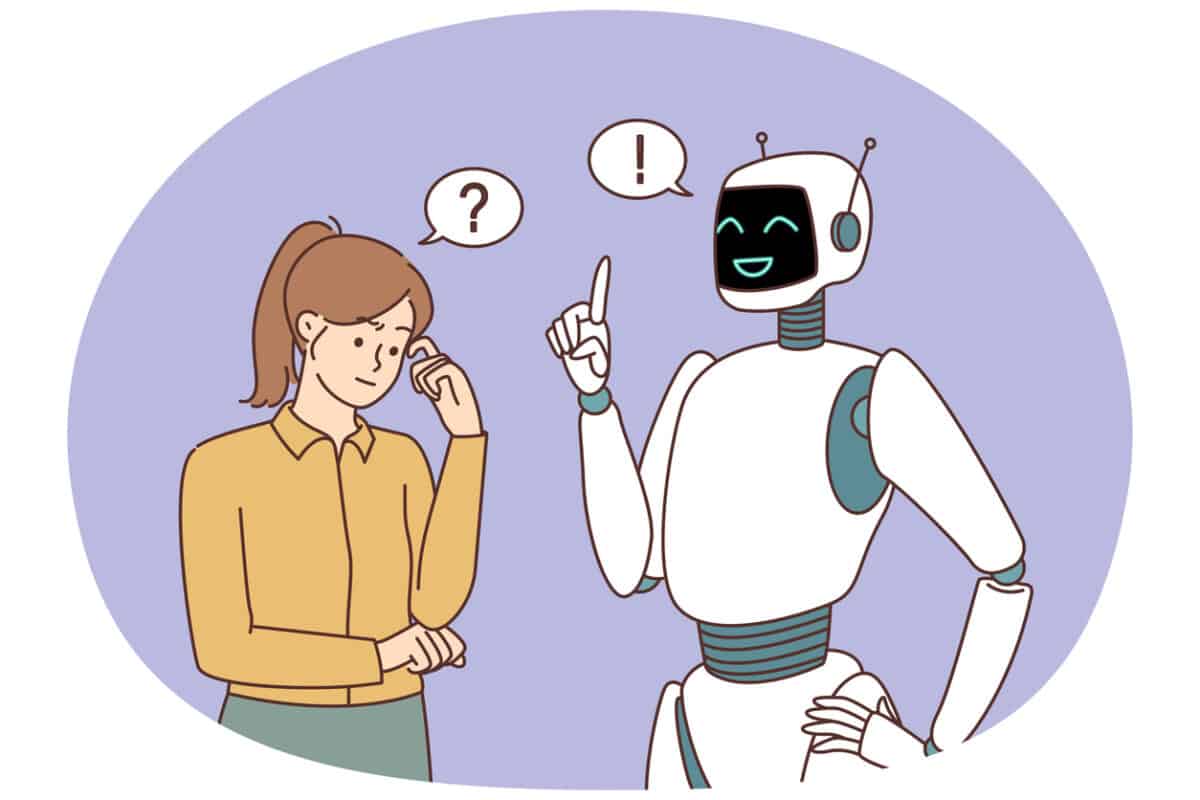
What does Grok say about OHS?
I was lunching at my local market when someone at the same table began chatting with me. The conversation turned to occupational health and safety (OHS). It was refreshing to discuss this with a non-OHS professional and see their surprised reactions to some of the things employers are required to do to create safe and healthy workplaces.
On my walk home, I wanted more perspectives on my thoughts, so I present the first in an occasional series called “What does Grok say….?”
How influential is ISO45003?
The second in our series of occupational health and safety questions to an artificial intelligence centres on the issue of ISO 45003’s influence on the management and prevention of psychosocial hazards. It was asked:
“How influential has ISO45003 been in achieving systemic and organisational change in Australia?”
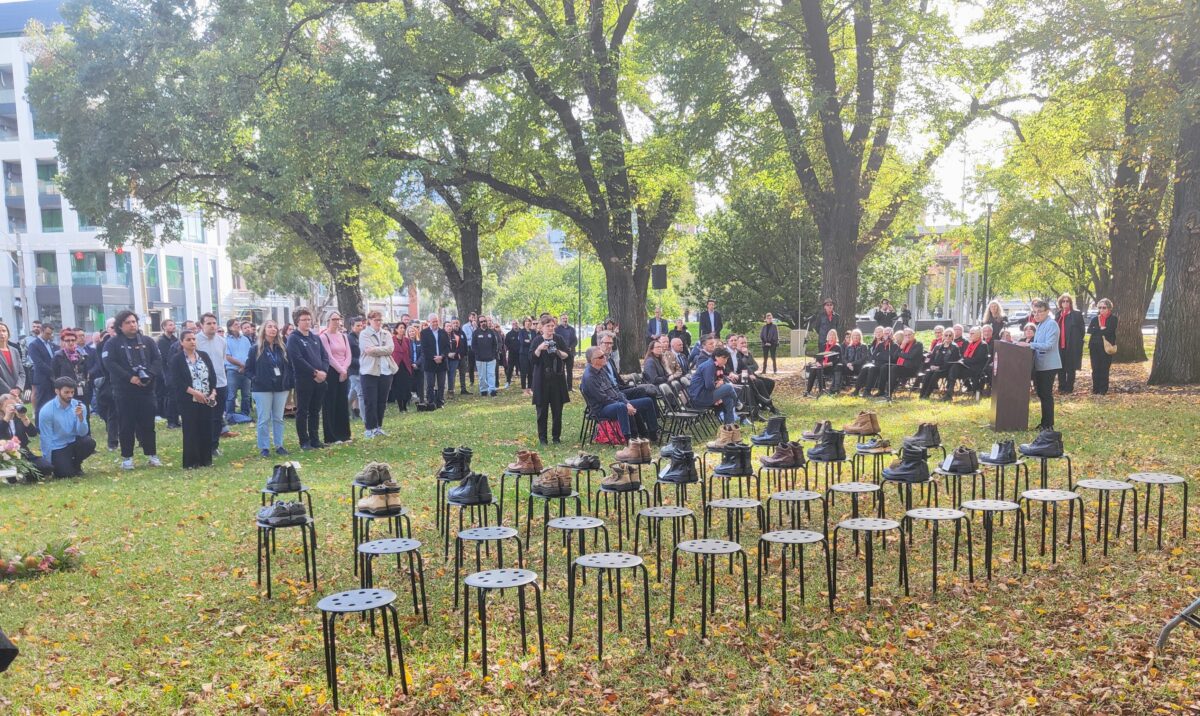
Workplace safety, AI , and what the Victorian Premier said
Last week’s International Workers’ Memorial Day in Melbourne is stuck in the back of my mind, niggling into my thoughts. I reread the article I wrote at the time and realised that it did not outline what was said by Victorian Trades Hall Council Secretary, Luke Hilakari or the Premier, Jacinta Allan. Below are my takeaways from Hilakari’s speech and a slightly edited transcript of the Premier’s speech.

Why does the Human Resources profession struggle with preventing psychological and psychosocial harm?
I am not immune to the worries and potential of using Artificial intelligence (AI) tools in my occupational health and safety (OHS) work and writings. As with millions of others, my relationship is a work in progress.
I have long used the transcription software Otter.ai to transcribe short interviews. It remains less accurate than human transcription, but it remains useful. One of its new AI tools is that it can analyse all of the conversations recorded through Otter.ai or uploaded to it for transcribing. I have years of recordings at OHS conferences, seminars, webinars, and interviews, so I asked this question:
“Why does the Human Resources profession struggle with preventing psychological and psychosocial harm?”
This was its response: