Quick OHS News – Danger Money, Red Tape and Toilets

Below is some interesting occupational health and safety (OHS) issues that have appeared over the last week that I don’t have the time to explore in the usual depth but are useful.

Danger Money appears

David Marin-Guzman reports that unions are asking for an extra

“$5 an hour to compensate [disability workers] for risks in assisting clients suspected of having coronavirus.”

The reporter’s Twitter account justifiably describes this as “danger money“, an issue forecast as likely by this blog recently. That such an offer is made by the Health Services and United Workers Unions is disappointing but unions can do little else as the employers have the primary OHS responsibilities. What such action also does though is let the employers off lightly from their OHS duties to continuously improve workplace health and safety. The $5 danger money may be cheaper than implementing other risk control options but OHS laws have a process for this type of decision making that has Cost as the last option to be considered. Allowances do not reduce worker safety risks and they can undermine future OHS initiatives.

Subscribe to SafetyAtWorkBlog to continue reading.
Subscribe Help
Already a member? Log in here

Sizzle but no steak

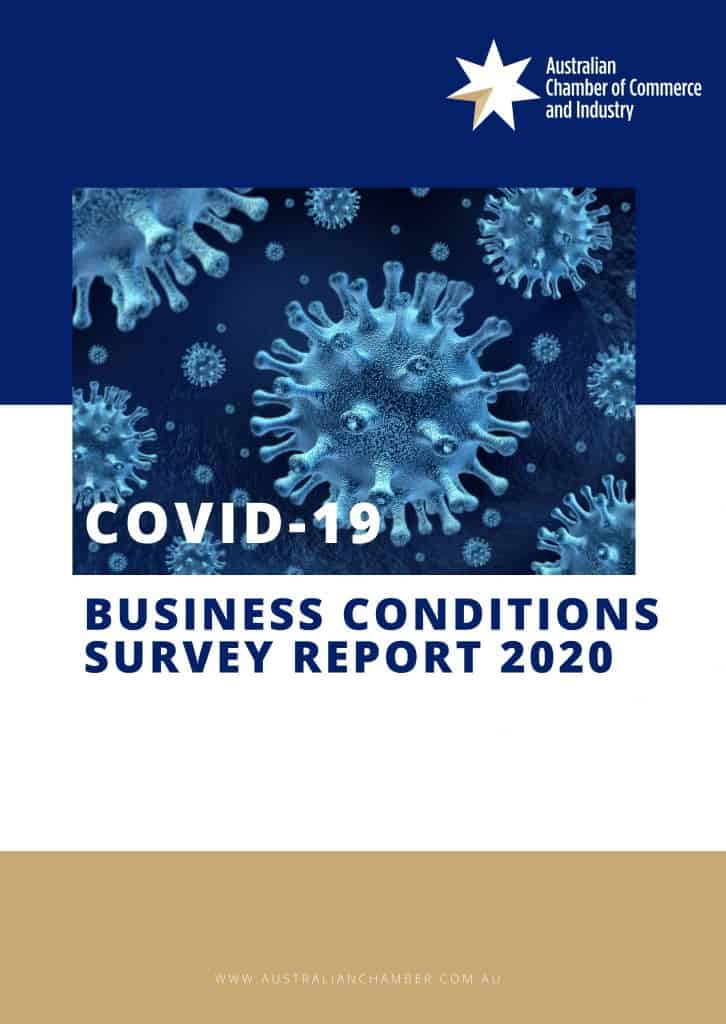
The COVID19, business disruption surveys keep coming. This time from the Australian Chamber of Commerce and Industry (ACCI). On 25 April 2020 released its Business Conditions Survey Report 2020. which was

“… undertaken between 30 March and 17 April, and involved 1,497 businesses across all states and territories.

This overlaps the April 9 survey by the Australian Council of Trade Unions which had a similar sample size and data limitations.

Subscribe to SafetyAtWorkBlog to continue reading.
Subscribe Help
Already a member? Log in here

Gender, OHS and Checklists

The topicality and importance of many issues highlighted in early 2020 have disappeared. One of them was the issue of sexual harassment in the workplace and Libby Lyons, Director of the Workplace Gender Equality Agency, has released the speech she intended to give at the, now cancelled, Commission on the Status of Women meeting at the United Nations. Lyons said this about sexual harassment and employers:

Subscribe to SafetyAtWorkBlog to continue reading.
Subscribe Help
Already a member? Log in here

Reasonably Practicable for the real world

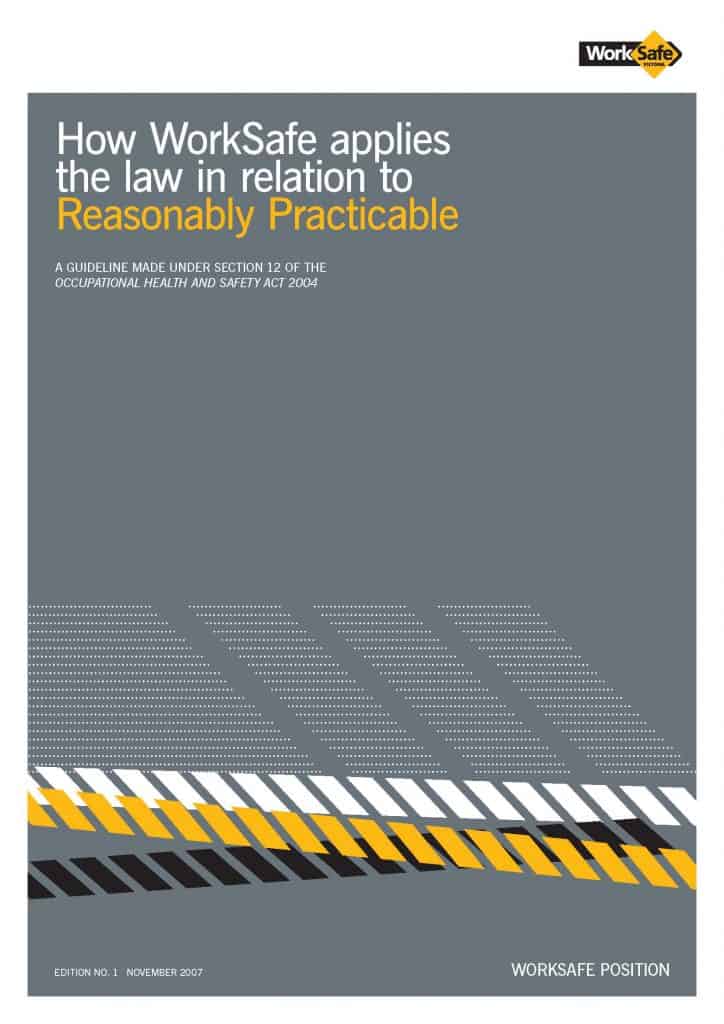
The best public document on determining what is reasonably practicable under occupational health and safety (OHS) law remains this one from WorkSafe Victoria but, importantly, it is also unhelpful. The unhelpfulness is there in the title:

“How WorkSafe applies the law in relation to Reasonably Practicable”

What is needed more is a document about how an employer is expected to apply reasonably practicable to their workplace rather than how the law is interpreted. The focus should be on achieving a safe and healthy workplace but the discussion of Reasonably Practicable is almost always reactive and reflective with little advice on how to use this concept in Consultation to satisfy the positive (some still say “absolute”) duty of care. Below is a brief attempt at clarification.

Subscribe to SafetyAtWorkBlog to continue reading.
Subscribe Help
Already a member? Log in here

Jail or Ruin? Is deterrence still effective?

This week Dr Rebecca Michalak wrote that penalties for breaches of occupational health and safety (OHS) laws need to be personal for people to understand the potentially fatal consequences at the work site or decisions that are made in the comfort of the boardroom. In this sentiment she echoes the aims of many who have been advocating for Industrial Manslaughter laws and also touches on the role of deterrence. But when people talk about Jail, are they really meaning Ruin? And do these options really improve workplace health and safety?

Subscribe to SafetyAtWorkBlog to continue reading.
Subscribe Help
Already a member? Log in here

Lessons from the US

The current COVID19 pandemic has presented businesses with a confusing risk challenge. Is the risk of infection a public health issue or an occupational health and safety (OHS) issue? The easy answer only adds to the confusion – it is neither and both.

In relation to epidemics and pandemics these are public health risks within which the OHS risks must be managed. In Australia, many of the OHS regulations and agencies were slow to provide the level of detailed guidance that employers were requesting and this was partly due to the regulators and agencies having to scramble together working groups and experts to rapidly produce such guidance. The situation in the United States offers a useful and reassuring comparison to how the Australian governments have responded but also offers OHS lessons for Australian employers.

Subscribe to SafetyAtWorkBlog to continue reading.
Subscribe Help
Already a member? Log in here

OHS and Rebecca Michalak

Dr Rebecca Michalak is the founder of PsychSafe, a company advising companies on issues related to the interconnectedness of occupational health and safety (OHS), Human Resources (HR) as well as the psychological hazards and structures at work and of work. Her combination of skills and experience is a new one for Australia and Dr Michalak is quickly becoming a strong influence on workplace health, safety, and corporate governance.

Dr Michalak has accepted the opportunity to provide a more personal insight into what she does and why she does it in the latest in a series of articles about humanising OHS.

Apology:  Due to unauthorised reproduction of this article in breach of Copyright, access has been restricted to Subscribers Only.  Should you require access to this article particularly, please email the Editor
Subscribe to SafetyAtWorkBlog to continue reading.
Subscribe Help
Already a member? Log in here
Concatenate Web Development
© Designed and developed by Concatenate Aust Pty Ltd