
Responsibility and its denial

Occupational health and safety (OHS) laws are intended to clarify who is responsible for workplace health and safety and to assist those responsible to fulfil their OHS duties. But responsibility is hardly ever discussed in reality except after an incident. A core question at that time is “Who was responsible?”, with the social subtext being “It wasn’t me.” OHS laws have already established broad OHS responsibilities which we accept when we have to, but deny when we don’t.

Clear, defined roles and responsibility are core to our understanding of workplace health and safety and the establishment of a safe and healthy workplace, and also of corporate integrity and productivity.
Subscribe to SafetyAtWorkBlog to continue reading.
Subscribe Help
Already a member? Log in here

Work-related elements for social change

It is almost impossible for occupational health and safety (OHS) people to stop looking at the world through the risk assessment parameters and hierarchies with which they work every day. The Hierarchy of Control could be applied to the COVID19 pandemic with the important lesson that the elimination of a hazard does not only come from the right purchase but could require months and months of a combination of Administrative Controls, Personal Protective Equipment, and perseverance. This impossibility should not be something that makes OHS professionals shy. It should be embraced and expanded, where possible, beyond the bounds of workplace organisations to societal design and change.

Michael Quinlan has recently written about a different investigative process that could be directly applied to the management of disasters, including COVID19. His research on Ten Pathways to Death and Disaster has been popping up in conferences, books and public speaking, including the OHS advocacy of Dr Gerry Ayers of the CFMEU, and has rarely been more timely.

Subscribe to SafetyAtWorkBlog to continue reading.
Subscribe Help
Already a member? Log in here

Liability, COVID19, Manslaughter and Working from Home – Welcome to the new OHS

Last week WorkSafe Victoria followed some of the other Australian States by requiring employers to report positive COVID19 cases as “notifiable incidents”. (If they can do this fro COVID19, shouldn’t it be possible to do the same for mental health disorders?) Expanding the pool of notifiable incidents is of little practical consequence but it is indicative of how occupational health and safety (OHS) management is changing, and how Industrial Manslaughter is becoming a pervasive threat.

Managing Liability

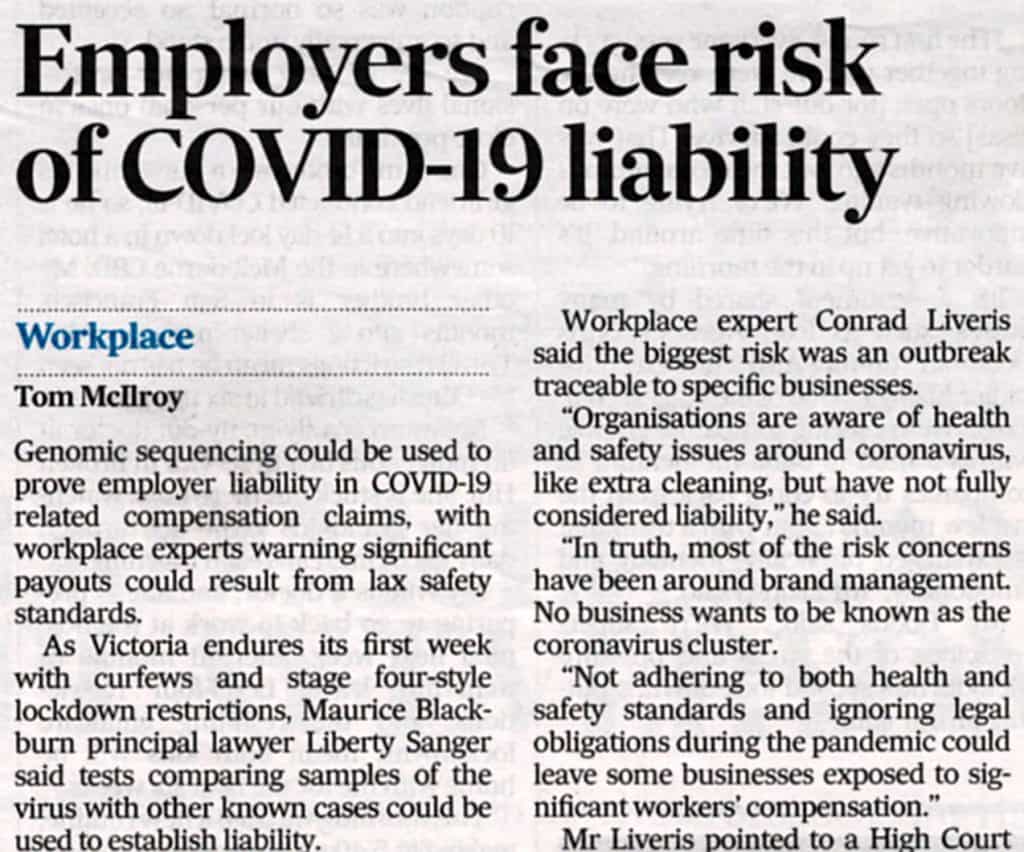
In the Australian Financial Review (AFR) on August 4 2020, employer liability for COVID19 incidents was discussed. Liberty Sanger of union-associated law firm, Maurice Blackburn, spoke of the importance of genomic testing to better identify the origin of the infection, ie. was it caught at work or at home.

Subscribe to SafetyAtWorkBlog to continue reading.
Subscribe Help
Already a member? Log in here

Wellness programs – Do They Work?

Many companies operate wellness programs at work. Some of these claim to reduce the likelihood of work-related injury or ill health. Others are aimed at reducing chronic health risks such as obesity, heart disease and more. A recent book from the United States encourages us to be sceptical of such programs and ask about employers’ purposes in introducing such programs. The book is called “Calling Bullshit – The Art of Scepticism in a Data-Driven World” and offers important insights beyond workplace wellness.

Subscribe to SafetyAtWorkBlog to continue reading.
Subscribe Help
Already a member? Log in here

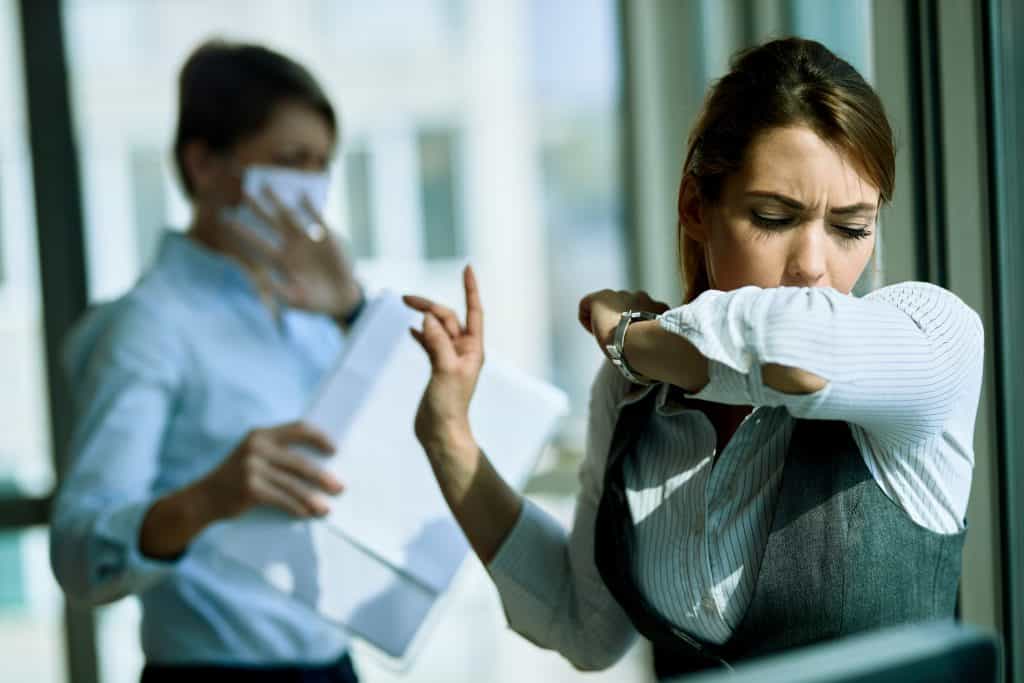
“Soldier On” should be “F### Off”

Many workers continue to work when sick. This is called presenteeism and in a time of infection pandemic, is a major problem. Many countries have addressed the COVID19 risks of presenteeism by requiring people to work from home if they can. In Australia, the message is not totally working with people ignoring the rules for various reasons.

However, presenteeism also has a deeper cultural and institutional origin that has been exploited by some and downplayed or ignored by others.

Continue reading ““Soldier On” should be “F### Off””

Important gig economy report unlikely to affect change

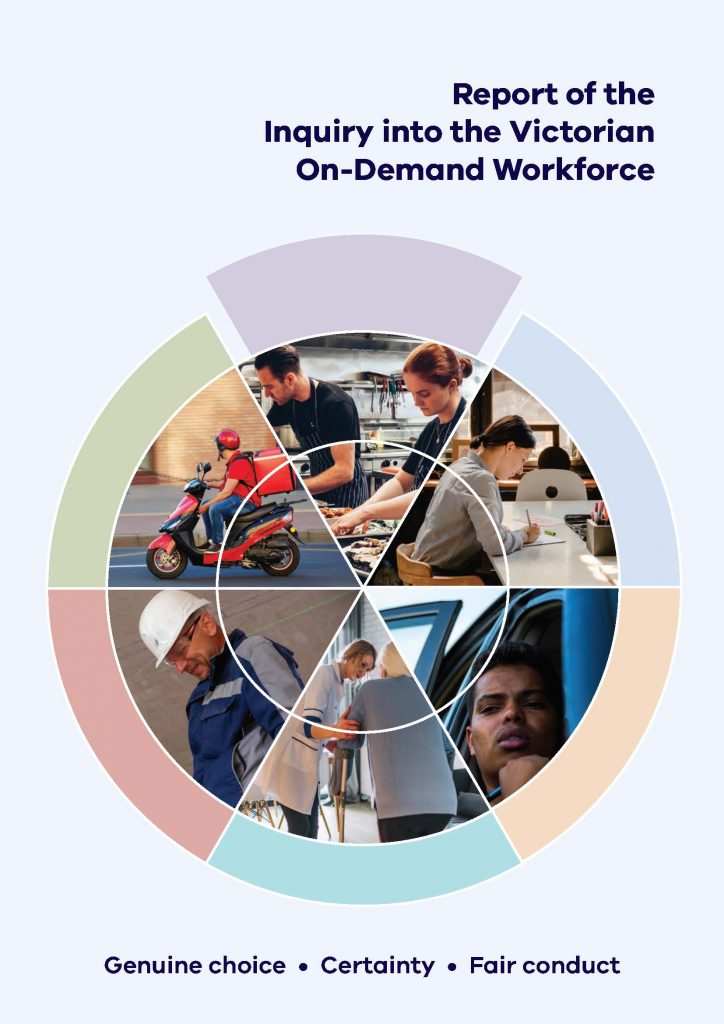
Then current coronavirus pandemic has disrupted workplaces around the world with those most effected being low socioeconomic sectors, including those working on a casual basis or in precarious, gig occupations. Last week the Victorian Government received the final report from its Inquiry into the Victorian On-Demand Workforce. This report is likely to be crucial in assisting the government to develop a safe and healthy strategy for the post-pandemic world of work.


Subscribe to SafetyAtWorkBlog to continue reading.
Subscribe Help
Already a member? Log in here

Australians become impatient for change on sexual harassment

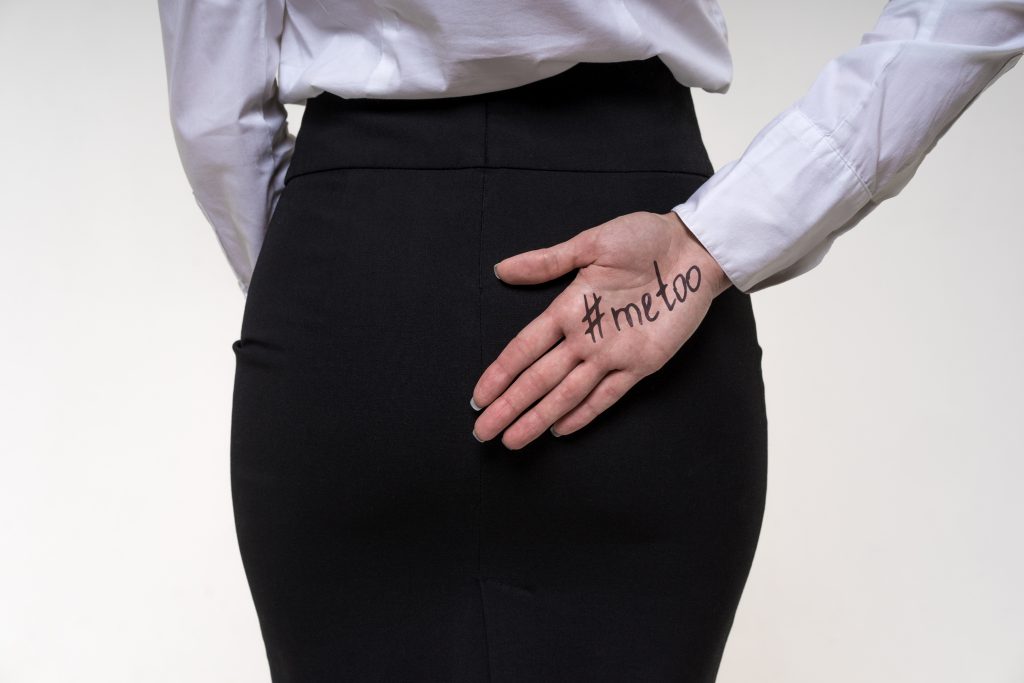
Victoria, perhaps, has the best chance of applying occupational health and safety (OHS) principles to the prevention of sexual harassment and the psychological harm that harassment can generate. In the wake of the sexual harassment allegations against former Justice Dyson Heydon, several reviews into the legal profession have been announced.

Sexual harassment at work remains on the national agenda with the Federal Government yet to respond to the Australian Human Rights Commission’s (AHRC) Respect@Work Report which has been sitting with the government since March 2020.

Subscribe to SafetyAtWorkBlog to continue reading.
Subscribe Help
Already a member? Log in here
Concatenate Web Development
© Designed and developed by Concatenate Aust Pty Ltd