Keep talking and making submissions – what to ask about dust

Government attention on the risks of silicosis, especially those related to engineered stone, continues to increase. Australia has established a National Dust Disease Taskforce to investigate the risks and to make recommendations to the government at the end of 2020. A national investigation is warranted but occupational health and safety (OHS) is regulated at State level so it could be many years until safety improves on this matter, if the States wait for the Taskforce’s final report.

Luckily, the debate on silicosis risks continue in various Parliaments and the Taskforce is seeking submissions.

Subscribe to SafetyAtWorkBlog to continue reading.
Subscribe Help
Already a member? Log in here

Caution. Misery (and Enlightenment) Ahead.

Having been born in the north of England, I enjoy watching movies and TV shows from there, even though I need subtitles sometimes. As a child watching Ken Loach’s film Kes for school, I thought that I could easily have been that kid standing in a cold muddy soccer pitch on an estate not far from our commission house. (I have been told our previous house was demolished because it was in a block of slums) So Loach’s latest film sounded interesting and given that it depicted life in the precarious and “gig” economy, I recently joined the hundreds in the audience at the Melbourne International Film Festival to watch “Sorry We Missed You”.

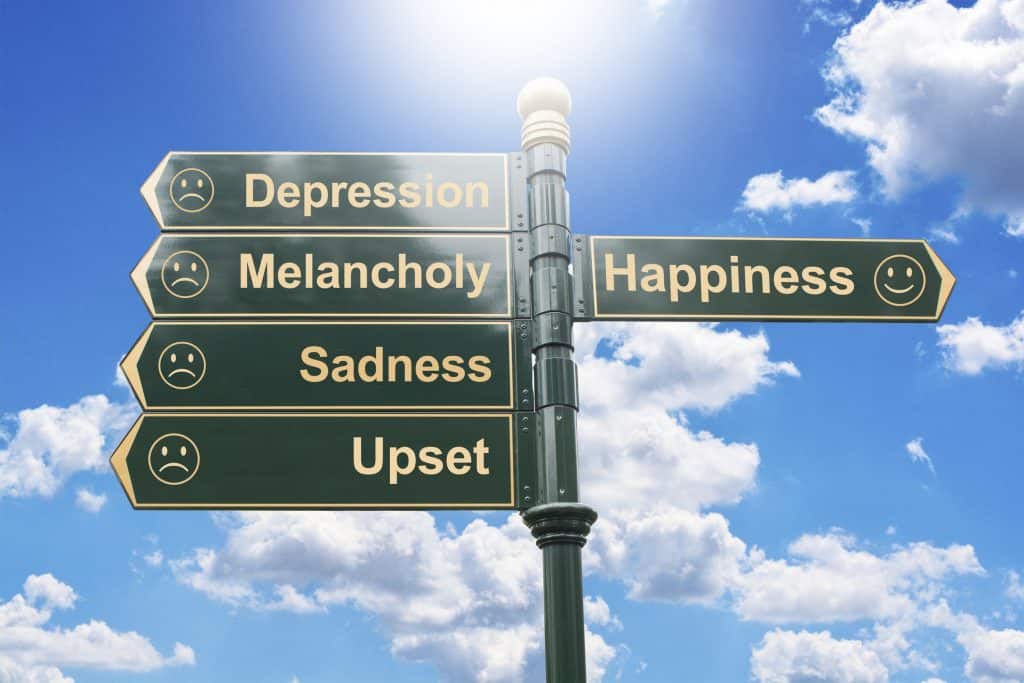
I really enjoyed the film but found the story very upsetting. It’s taken me almost a week to starting writing this article and the trailer still makes me cry, so I am split on whether to recommend you see the film.

Continue reading “Caution. Misery (and Enlightenment) Ahead.”

Big potatoes, small potatoes, trust and transparency

The Australian Council of Superannuation Investors (ACSI) has released a research paper that discusses the reporting of workplace fatalities by major companies in their Environmental, Social and Governance (ESG) reports. There are many informational benefits in this report but perhaps the most important is that the report reinforces occupational health and safety (OHS) in ESG reports. The risk is that OHS is seen only in relation to the ESG criteria in Annual Reports.

Australia has experienced a gentle push for inclusion of OHS performance measurements in company and government department Annual Reports. SafetyAtWorkBlog has reported on this and some peer-reviewed research and recommendations over many years. The ACSI report progresses this but also illustrates the sluggish rate of change.

Subscribe to SafetyAtWorkBlog to continue reading.
Subscribe Help
Already a member? Log in here

Queensland’s ‘Safety Reset’

Queensland is undertaking a “safety reset” following several recent deaths in the mining and quarry industry. This government initiative has the backing of the resources sector and has collated a good amount of safety resources in support of what is a mandatory exercise.

What is a little different in this initiative is that it reinforces that the primary responsibility for occupational health and safety (OHS) rests with the employers and company owners. In the past, government initiatives have tended to take on the responsibility for the OHS changes or imply that it is the government’s job to fix the situation and the relative safety cultures, as if it was government (in)activity that caused the problem.

Subscribe to SafetyAtWorkBlog to continue reading.
Subscribe Help
Already a member? Log in here

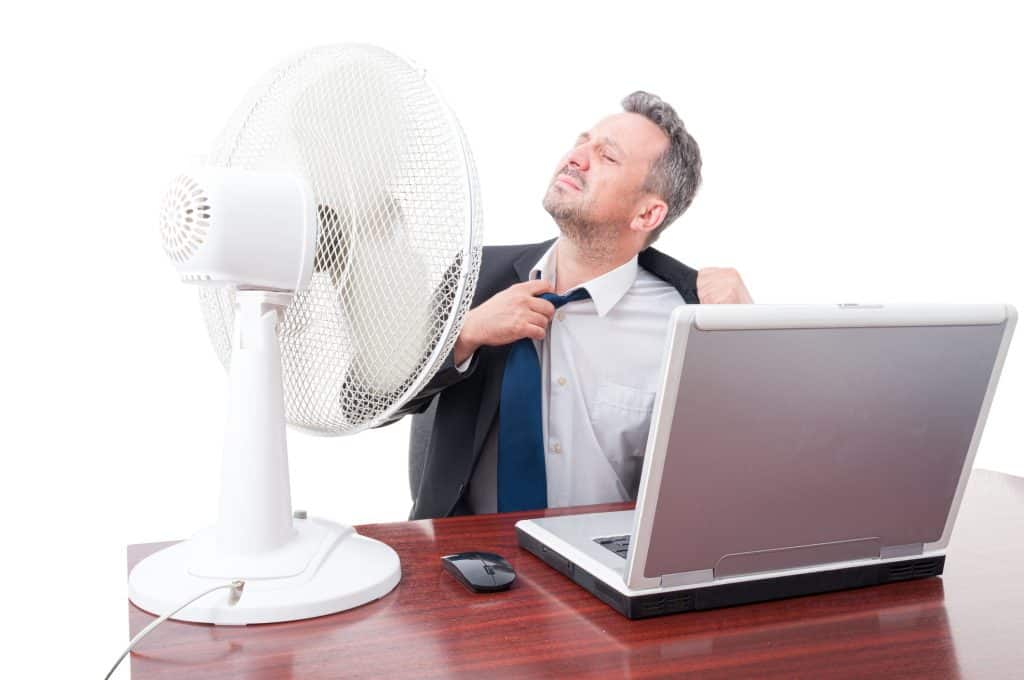
Can this job be performed in extreme heat?

Parts of Europe are sweltering in extreme Summer temperatures similar to what Australian workers have experienced. A comparison of just temperatures is unreasonable as the European challenge is greater than Australia’s because the society, buildings and operational structures are largely designed and configured for low temperatures and snow. In many ways climate change will be more disruptive for European businesses as Australia has always been hot and dry.

The occupational health and safety (OHS) advice on how to address, or cope with, extreme heat has always been focused on the individual’s capacity to work in heat rather than reconfiguring work to avoid these unsafe and unhealthy conditions. Here is some advice from an American law firm from early this month:

“Summer temperatures can create hazards for workers, and employers can be liable for not addressing conditions that could lead to injuries and illnesses, such as heat exhaustion and heat stroke. Liability can arise whether work is being done outside in construction, landscaping, and agriculture, or inside in non-air conditioned manufacturing plants and warehouses.”

Subscribe to SafetyAtWorkBlog to continue reading.
Subscribe Help
Already a member? Log in here

Safety remains a muddle in Australia’s trucking industry

SafetyAtWorkBlog believes the fact that commercial vehicles are also workplaces remains under-utilised in Australia. There are hints that this position is shared by others and that the analysis of occupational health and safety (OHS) in the transport sector is maturing. An Issues Paper released in May 2019 by the Productivity Commission (PC) as party of the review of the 2009 National Transport Regulatory Reform program looks at potential safety outcomes.

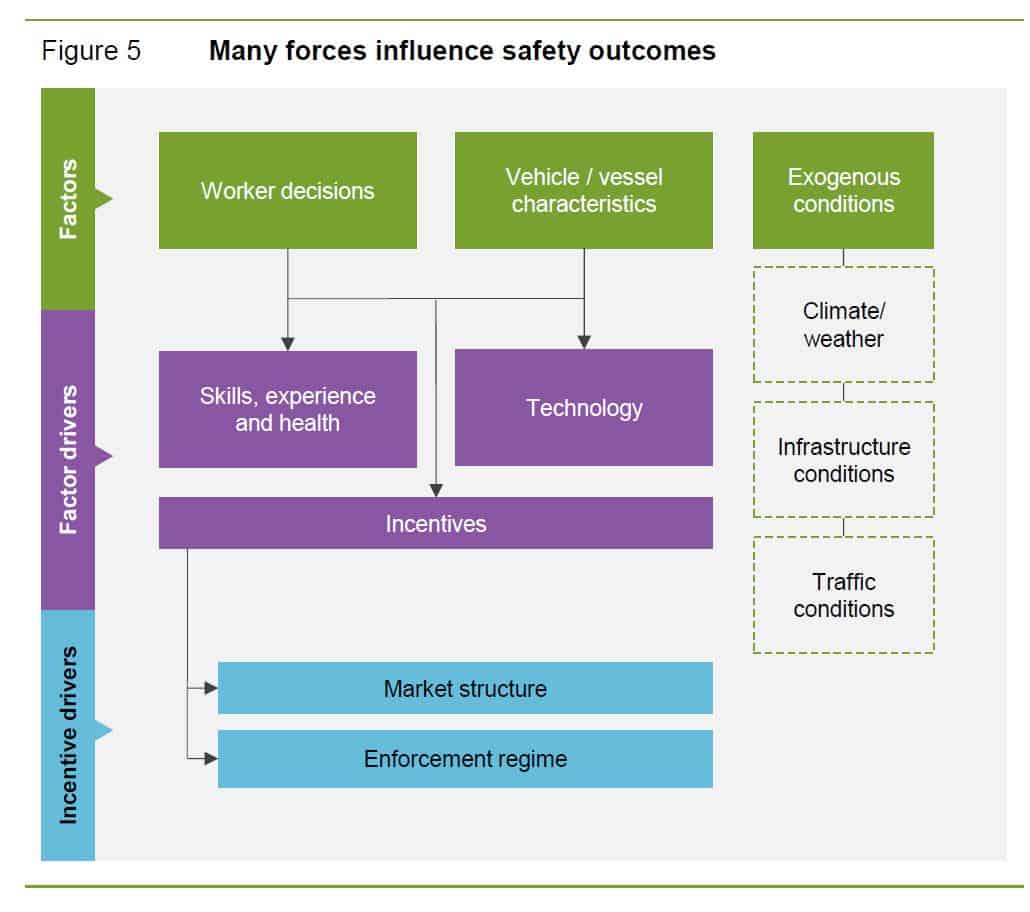
In each of the sectors within the reform program – heavy vehicles, rail and maritime – safety improvements, enhancements and improvements were expected. The PC accepts the multidisciplinary and multi-factorial elements of OHS:

“…. the national laws and regulators are only one influence on safety outcomes. The multiplicity of influences on safety outcomes raises challenges for measurement of the contribution of the national system to any changes in safety outcomes since the system was introduced. The Commission envisages that the direct net benefits from safety related reforms must be assessed by the use of simple methods such as benchmarking (including to other countries) and other descriptive analyses. For example, Hassall (2014) estimates the accident rate (broken down by accident severity) per 100 million kilometres.”

page 12

(Given that the PC has a separate inquiry into mental health, it will be interesting to see if this perspective is consistent across different sectors)

Subscribe to SafetyAtWorkBlog to continue reading.
Subscribe Help
Already a member? Log in here

Grab bag of OHS issues – heavy vehicles, mental health, bullying and fatigue

There are a few occupational health and safety (OHS) matters in Australia that happened in the last week that are of note. SafetyAtWorkBlog has put together a quick list of those matters of interest.

Big Mental Health Challenge

“The Australian Capital Territory has appointed its first “dedicated psychological health officer [who] will equip workplaces with the tools and resources needed to support the social and emotional wellbeing of working Canberrans.

The psychological health officer will provide employees, managers and supervisors with support such as information sessions, accessible resources and training programs. WorkSafe ACT inspectors will also receive training and access to ongoing mentoring for responding to psychological hazards.”

Subscribe to SafetyAtWorkBlog to continue reading.
Subscribe Help
Already a member? Log in here
Concatenate Web Development
© Designed and developed by Concatenate Aust Pty Ltd