

I don’t know which professional discipline has had the most effect on the management of work health and safety in Australia, but I do know that accounting has been neglected. Accounting and its companion discipline, Governance, have several research concepts that Occupational Health and Safety (OHS) should consider.
Category: community
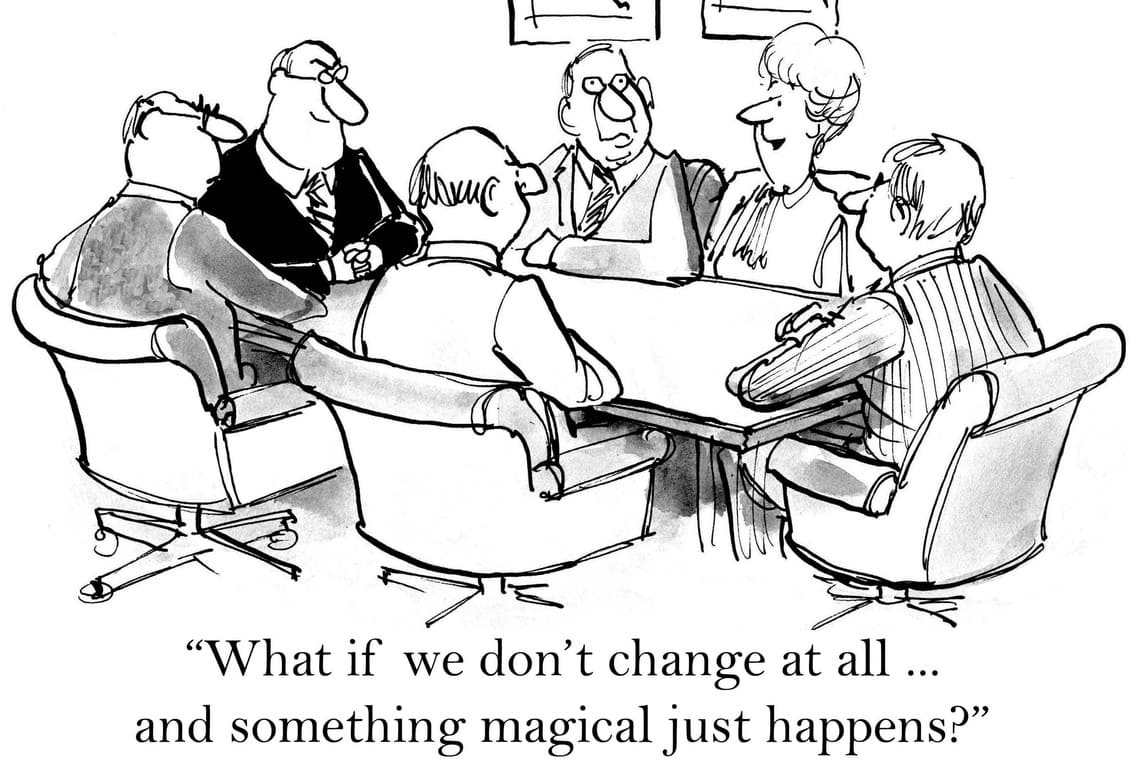
Reframing Workplace Safety as an Economic Strategy for the 2026 Budget
In just over a month, Treasurer Jim Chalmers will hand down the 2026 Federal Budget. While political attention will focus on cost‑of‑living pressures and international instability, the Budget also presents an opportunity to rethink how Australia could treat occupational health and safety (OHS) as an economic lever instead of just a business cost.

The Work‑From‑Home Debate Needs Less Theatre and More OHS
A recent radio forum on working from home reinforced the political motivation behind promoting it as a legal right and also highlighted the knowledge gaps we have about it. Occupational health and safety (OHS) was mentioned in the discussion, but its core significance was again downplayed.

“Whom Do Soft Skills Really Serve?”
Every summer in Australia, it seems we are in crisis. Somewhere there is a bushfire, and somewhere else there are cyclones and floods. Somewhere, there are places that experience these two extremes almost at the same time. In all these circumstances, Australians expect strong, effective and compassionate leaders. These expectations affect how corporate executives behave and employ their “soft skills”.
Has Having Safe and Healthy Work as a Human Right Improved OHS in Australia?
When the International Labour Organisation declared safe and healthy work a fundamental human right in 2022, Australia quietly joined a global shift that reframed workplace safety from a technical discipline to a matter of human dignity. It didn’t make headlines. It didn’t trigger a legislative overhaul. But it did change the ground rules.
The question is whether this shift has improved worker health and safety in Australia—or whether it risks becoming another layer of symbolic language sitting comfortably above the realities of work.
Remembering the People Behind the Statistics
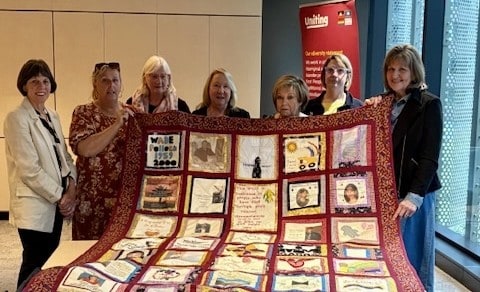
Occupational health and safety (OHS) can feel like nothing but administrative work, wading through safety clutter. It is easy to forget that OHS is about preventing harm or managing the consequences. There are people behind the statistics and families behind the people. I find it important to keep myself grounded by attending small events that remind me of why I do what I do.
Last week, just before Australia’s Safe Work Month, I attended a small gathering of people affected by work-related deaths, which was organised by GriefWork.
OHS Law Was Meant to Empower, Not Excuse
Australian occupational health and safety (OHS) laws require employers to be compliant with their OHS duties, but also allow the flexibility for employers to determine their own level of compliance. This has complicated OHS because employers can never be sure that they are in compliance. Compliance and non-compliance are usually determined accurately through the courts after legal action by the OHS regulatory agency and after a workplace incident. This uncertainty is compounded for small business owners who just want to be told what to do to be compliant.
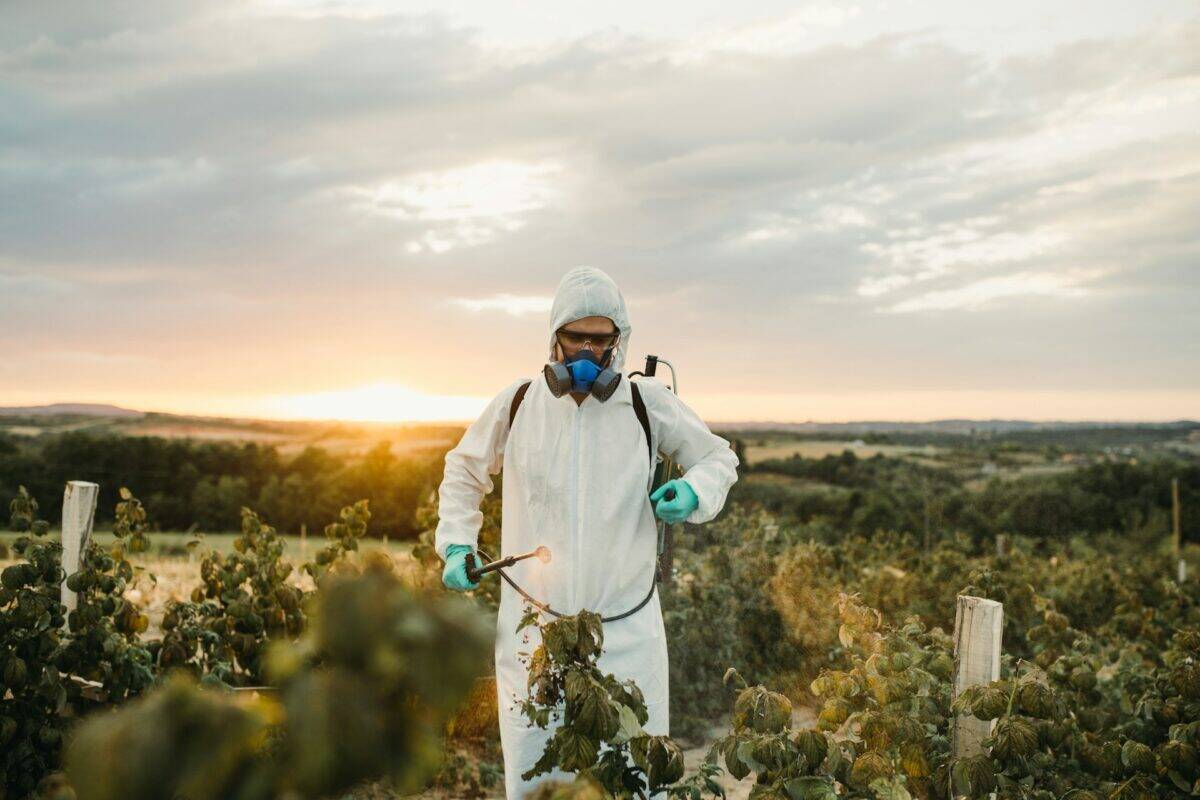
Perhaps the most challenged industry sector is farming, which cannot avoid the uncertainty that the OHS laws provide. This uncertainty is one that highly-resourced employers are proud to claim as a well-fought-for benefit, namely, flexibility, but it is more of a problem for isolated rural workplaces and small businesses.