

Psychological safety dominated the 2025 WorkSafe Victoria Awards held in late February 2026. (At somepoint, WorkSafe is going to have to bring the awards back to the Safety Month schedule of October) This is perhaps not surprising, as psychological safety and psychosocial hazards remain hot issues in Victoria, but some other important finalists shone.
Category: construction

OHS Reform: The Allan Government’s Best Chance to Rebuild Trust
Occupational health and safety (OHS) is rarely addressed in election campaigns, and the Victorian election in November is likely no exception. However, there are OHS issues that need to be discussed and addressed, and there may also be a political advantage.
OHS keeps getting sidelined and everyone knows it
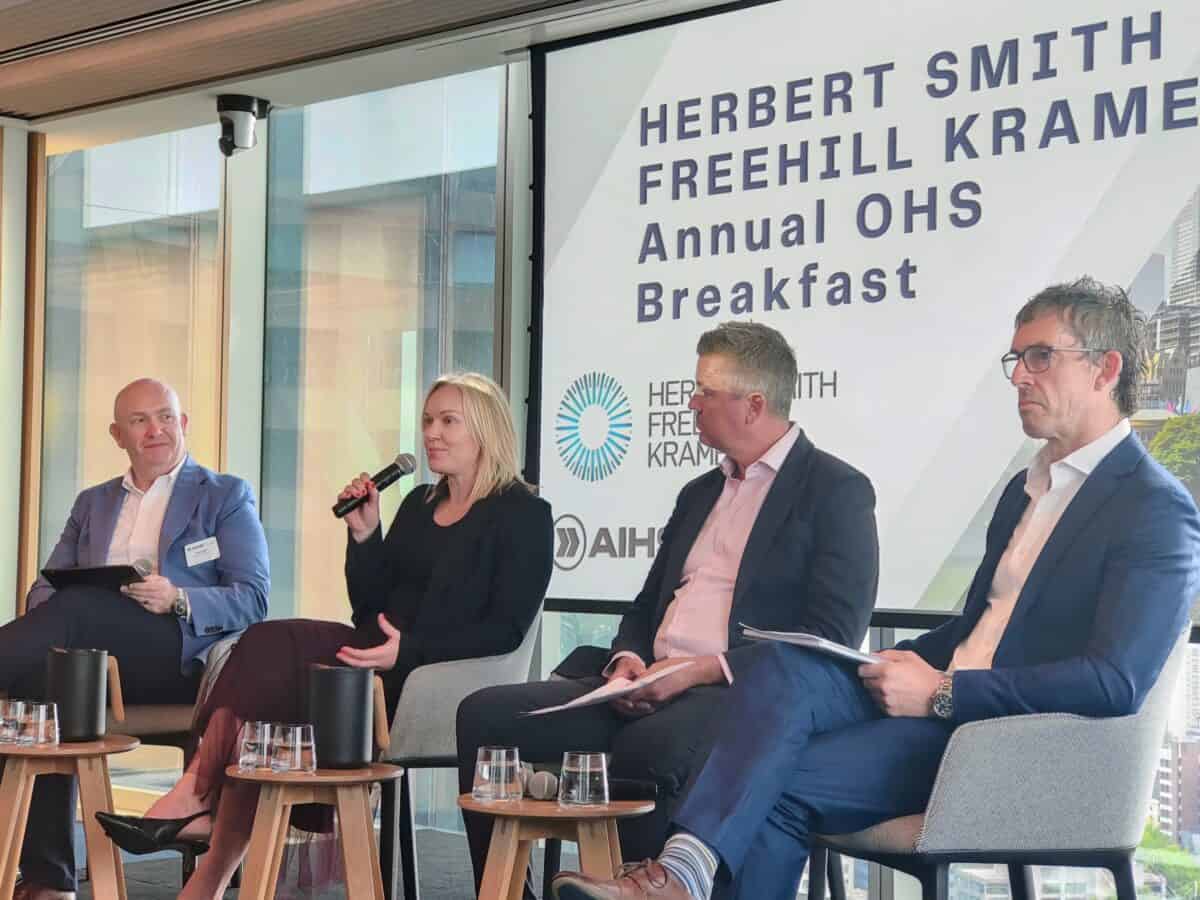
Recently, occupational health and safety (OHS) lawyer Steve Bell issued a challenge to all those who provide leadership training to executives.
At the annual breakfast for the Australian Health and Safety Institute, supported by Herbert Smith Freehills Kramer, Bell shared this leadership training scenario with his panel of experts:
Why Heat Safety Still Depends on Employers Not Canberra
The issue of working in heat has resurfaced in some Australian media this February, again driven by trade unions. The union approach continues to show negotiating flaws, deflections, and at least one inaccuracy.
Agriculture Has the Injuries of a Regulated Industry, But Not the Regulation
Over the past few months, I have increasingly encountered the term “regulated industries” in the context of occupational health and safety (OHS) laws. In OHS in Australia, these industries seem predominantly to include:
- Construction
- Mining and
- Major Hazards.
I can identify no reason why farming should not also be a “regulated industry”.
Stretching Programs Miss the Mark on Injury Prevention
A recent edition of the Professional Safety Journal from the United States included a cover story about pre-work stretching. This common activity on some construction and manufacturing sites is promoted as a means of preventing injury or reducing the severity of, especially, musculoskeletal injuries, but I don’t think there ever was evidence to support either of these intentions, and there still isn’t.
Why Known Hazards Still Kill – Falls from Heights
Recently WorkSafe Victoria revealed that in 2025:
“In the first half of this year, 174 Workcover claims have been lodged from the construction industry, from falls alone. A further 34 businesses have been charged and another 28 duty holders faced legal action, accumulating more than 2.54 million in fines, undertakings and costs. That already tops the entire 2024 figure of $1.65 million from 33 charged or prosecuted entities.”
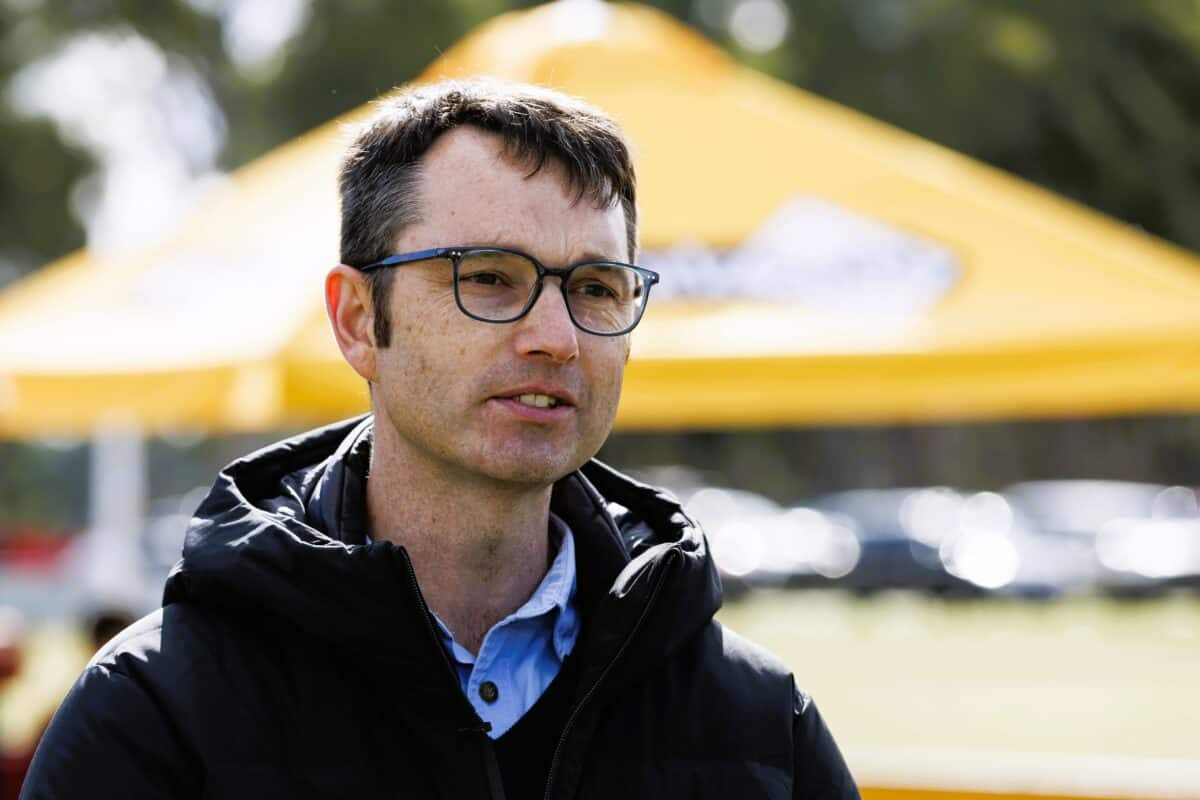
I had the opportunity to ask WorkSafe’s Chief Health and Safety Officer, Sam Jenkin (pictured above), why such a well-known workplace hazard persists.