Safety in the C Suite doesn’t always run smoothly

It is rare for workplace safety to gain a half-page in the daily press in Australia but this occurred recently in The Australian.  The newspaper’s industrial editor, Ewin Hannan, built an article, “Tunnel Vision on Safety“, around the following quote from a leaked memo from 2010 then head of human resources, industrial relations and safety for John Holland, Stephen Sasse, in relation to the management of the Airport Link project:

“‘‘In my seven years with John Holland, I have never seen any project or management team that was so cavalier about the company’s OHS (occupational health and safety) system, principles and values and I have grave doubts about the management’s team’s capability in safety.’”

This is a remarkable statement but Sasse has been outspoken on safety issues in the general construction sector before. In 2011 a change in the senior management of Leighton Holdings, the parent company of John Holland, created doubt about Sasse’s future and Sasse left the organisation in October 2011.  The latter articles also indicate Sasse’s relationship with the union movement which may be part of the reason the unions are repeating their calls for an inquiry into John Holland and its licence with Comcare.  SafetyAtWorkBlog has several articles about these industrial relations tensions from 2009. Continue reading “Safety in the C Suite doesn’t always run smoothly”

Politics before safety in South Australia

Occupational health and safety (OHS) eyebrows were raised in Australia recently as a State Government suspended the application of three construction-related codes of practice, principally, on the basis that compliance will cost too much.  The decision by South Australia’s Minister for Industrial Relations, John Rau, following a report by the Small Business Commissioner, Mike Sinkunas, illustrates several issues:

  • the SA government is overly influenced by the Housing Industry Association (HIA),
  • small business is being misinformed on how workplace safety works,
  • the application of “reasonably practicable” has been ignored, and
  • the unions and safety profession do not know how to respond.

Continue reading “Politics before safety in South Australia”

Coronial findings into level crossing fatalities released

Today the Victorian Coroner has released the findings into the 2007 Kerang rail disaster and other level crossing fatalities.  SafetyAtWorkBlog has written about issues related to level crossings those articles may help when reading the many media articles that the inquest findings will generate.

Already family members of the Kerang victims have expressed their dissatisfaction with the findings. Continue reading “Coronial findings into level crossing fatalities released”

OHS as an industrial relations tool

Recently Queensland’s Attorney-General Jarrod Bleijie has been asserting that a review of union right-of-entry provisions is needed because unions have been using occupational health and safety (OHS) issues as an excuse for industrial relations (IR) action.  Such assertions have been made for decades in Australia to the extent they have become fact.  Below is an article looking at one of the sources of the Attorney-General’s assertions.

In a media statement dated 5 October 2013, Bleijie stated:

“For too long, we have seen construction unions using safety as an industrial weapon in this State… Quite frankly, their abuses of the current right of entry provisions are designed to bully contractors until they get their way. Sites are being hijacked and workers held to ransom.

“I have personally heard of stories from hard working Queenslanders who have been locked out of their workplace because of militant union activity.

“Earlier this year, a major contractor lost 42 days of work due to illegal strike activity in the first year of their enterprise agreement. This practice will end.”

Some of this statement was quoted in a Sunday Mail article on 6 October 2013 following the minister’s speech at an awards ceremony with the Master Builders. Like most political media statements there is a large amount of hyperbole but this article’s focus will be on the OHS elements of the statement.  Continue reading “OHS as an industrial relations tool”

Hundreds plead with government to save lives while those to blame beg for scrutiny

The article below has been written by Marian Macdonald and is about an event that I recently attended in Sydney about fall protection.

When a plumber perched on the rooftop of a skyscraper clips a safety harness onto the point that anchors him to the building, there’s a one-in-three chance the anchor itself is unsafe. Remarkably, the installers being held to blame are pleading for greater scrutiny of their work from the regulator.

SummitAudienceThe Working At Heights Association (WAHA), which represents fall prevention equipment installers, today sent a call to action submission (not available online)  to the Heads Of Workplace Safety Authorities (HWSA). It follows an industry crisis summit held last month where, with a sea of upstretched hands, hundreds packed into a stifling conference room demanded urgent action from governments. Continue reading “Hundreds plead with government to save lives while those to blame beg for scrutiny”

Engineering handbook progresses OHS management

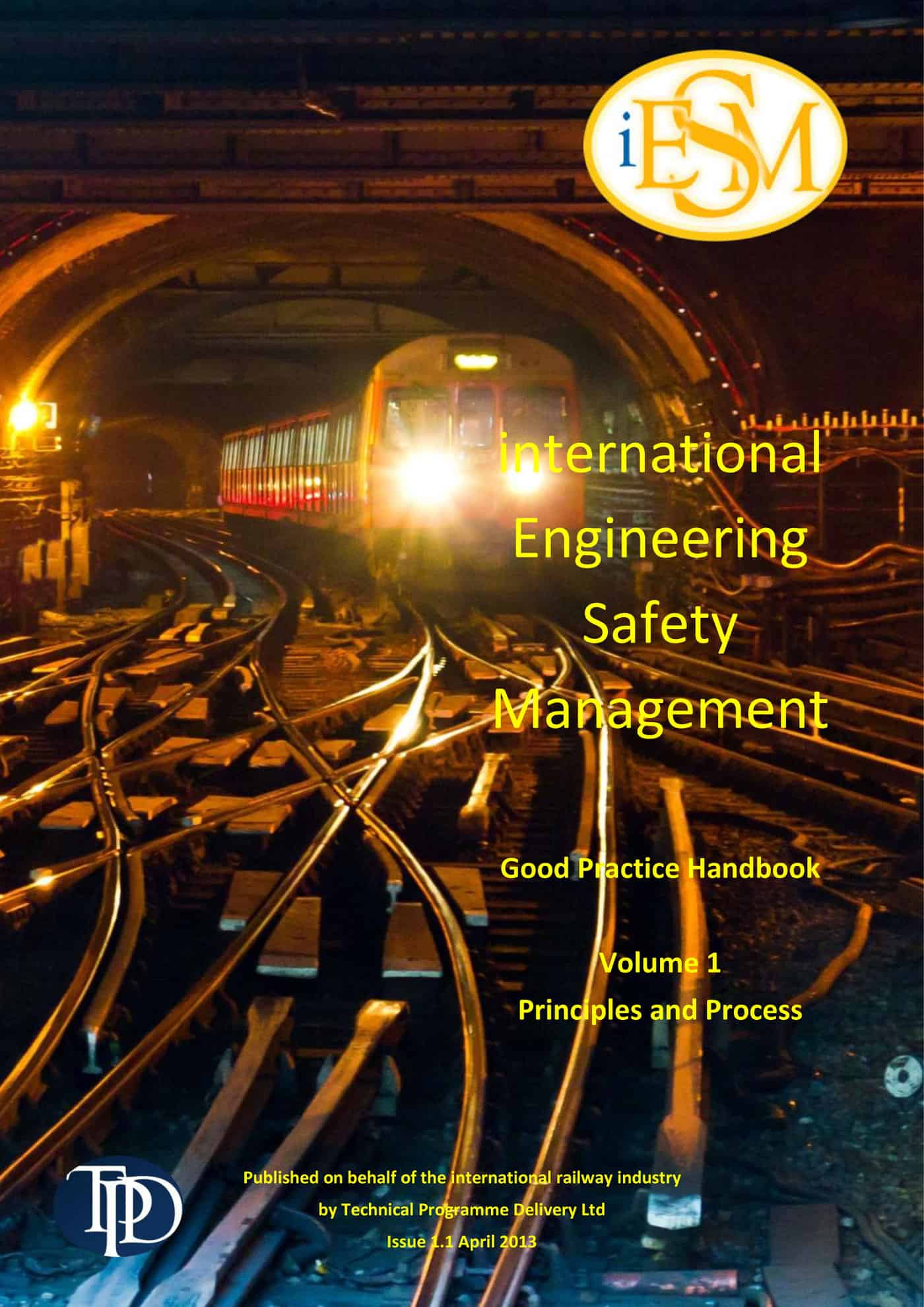
Cover of Rail Good Practice Handbook UKMany safety professionals in Australia have become so familiar with the work of James Reason that they are looking for the next big thing.  There isn’t one but there are small things that build on Reason’s work and, importantly, that of other safety theorists (the non-cheese sector) to progress safety management

Recently a colleague drew my attention to a 2013 handbook on Engineering Safety Management.  It focuses on rail engineering but has a broader safety relevance.  Both volumes of the handbook are freely available HERE.

The text may seem a little stilted and some may be turned off by the engineering focus but there is much to like and the engineering focus will seem fresh to the OHS professionals.  There is an acknowledgement of the overlap in approaches between rail safety and OHS, an overlap that is increasing in Australia. Continue reading “Engineering handbook progresses OHS management”

New safety harness removes suspension trauma and may improve safety

It is rare to see any major innovation in in the area of working at heights, particularly in relation to fall protection harnesses.  Yet coming soon to the Australian and New Zealand markets, via the Galahad Group, is the ZT Safety Harness, a fall arrest harness without a groin strap.

The ZT Safety Harness has been designed to eliminate the potential for suspension trauma which can result from being suspended for some time in a traditional harnesses.  A video is perhaps the best way to understand this harness which, in the absence of the groin strap, is integrated into a pair of work trousers or coveralls with webbing extending down the leg of the trousers to gaiters on the lower calf.  This configuration provides for a suspended worker to be in a seated position with the shock from the fall being distributed more evenly along the body.

There are advantages other than the elimination of suspension trauma.  Continue reading “New safety harness removes suspension trauma and may improve safety”

Concatenate Web Development
© Designed and developed by Concatenate Aust Pty Ltd