Different OHS messages to different audiences

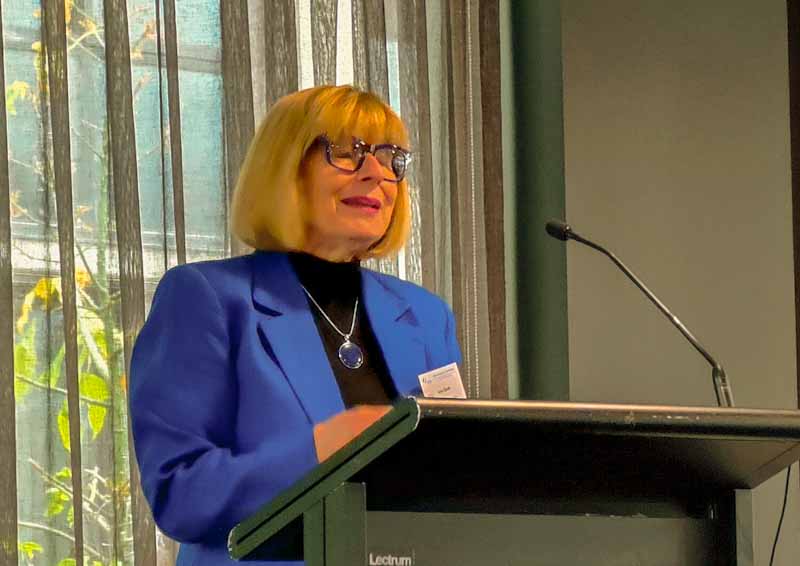
Last week, WorkSafe Victoria held its annual Business Leaders’ Breakfast. The keynote speaker was Karen Maher, who spoke about the need for an effective and respectful workplace culture that would foster a healthy psychosocial environment. Her presentation would have been familiar to many of the occupational health and safety (OHS) and WorkSafe personnel in the audience, but it may have been revolutionary for any business leaders. Maher outlined the need for change but not necessarily how to change or the barriers to change.

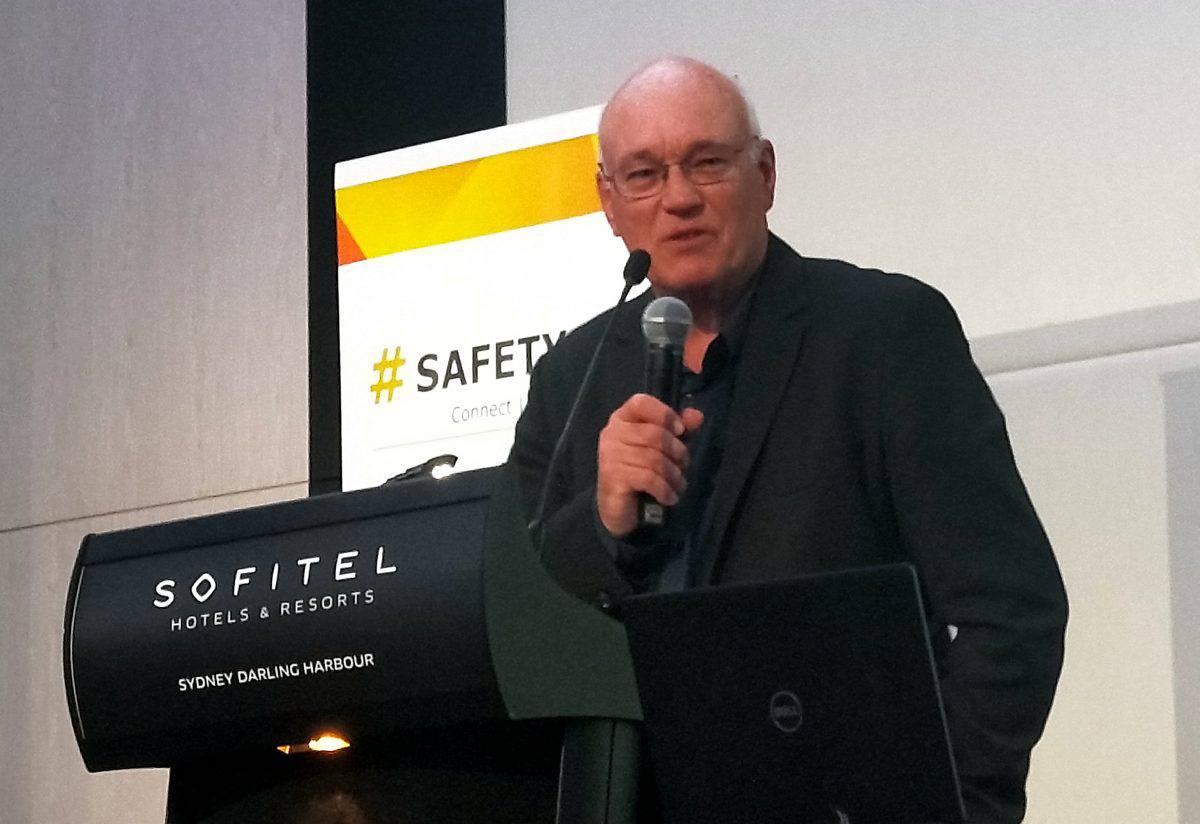
The event did provide a useful Q&A session and afforded the new WorkSafe Victoria CEO, Joe Calafiore, his second public speaking event in a week.

Subscribe to SafetyAtWorkBlog to continue reading.
Subscribe Help
Already a member? Log in here

Workplace deaths are convenient for no one

I don’t believe that International Workers Memorial Day (IWMD) or the World Day for Safety and Health at Work should be held on any day other than April 28 each year. I don’t think Christmas should be moved or ANZAC Day. All these days are of significant cultural importance in Australia, and each of these dates has been set for the last few decades in the case of IWMD and ANZAC Day, and centuries for Christmas. Commemorating International Workers’ Memorial Day on a different day places logistical reasons and convenience above the significance of the day and the message it gives to the community.

Continue reading “Workplace deaths are convenient for no one”

The Spiritualism of HR

“Trust us” is one of the riskiest phrases anyone can use. It may be even riskier to accept it. In workplaces, it is often the start of a relationship, but it can also be the start of betrayal. Part of the risk in starting any new job is that new employees must accept their introductions in good faith, and most introductions are handled by the Human Resources department but is that faith misplaced? Recently, one socialist journal from the United States (yes, the US has a socialist sub-culture …. for the moment), Jacobin, included an article about HR in its religion-themed edition (paywalled).

Subscribe to SafetyAtWorkBlog to continue reading.
Subscribe Help
Already a member? Log in here

The fluctuating grey zone of compliance

The occupational health and safety (OHS) profession operates within the legislative context of “so far as is reasonably practicable“, that band of compliance, that non-prescriptive, performance-based flexibility offered to employers to encourage them to provide safe and healthy workplaces. It could be said that OHS was easier forty years ago because the compliance band was thinner, and in some cases, compliance was determined by specialist OHS inspectors on the day of the visit.

Today, that compliance band fluctuates and can be affected by community values and expectations, as shown in a recent discussion about sexual harassment at Australia’s Fair Work Commission.

Subscribe to SafetyAtWorkBlog to continue reading.
Subscribe Help
Already a member? Log in here

An economics perspective on overwork

As Ingrid Robeyns’ Limitarianism book hits the Australian bookshops, an earlier examination of the role of excessive profits of “affluenza” from 2005 is worth considering. How does this relate to occupational health and safety (OHS)? The prevention of harm and the reduction of risk are determined by employers deciding on what they are prepared to spend on their workers’ safety, health, and welfare. Employers are looking desperately for effective ways to meet their new psychosocial harm prevention duties. Economists identified strategies in 2005.

Subscribe to SafetyAtWorkBlog to continue reading.
Subscribe Help
Already a member? Log in here

OHS needs to create discomfort

Occupational health and safety (OHS) decision-making by employers is dominated by reasonably practicable safety and health decisions. OHS advice is similarly dominated, leading to an industry that is cowed by the need for job security and tenure. OHS teaching in tertiary institutions is also influenced, if not dominated, by what is seen as (right-wing) “business realities”.

OHS is a small part of the university curriculum. In some universities, OHS education is missing entirely. The OHS discipline is not seen as important or marketable or an important source of revenue. A new book about universities in the United States in the 1960s and 1970s may help us understand the reasons for this.

Subscribe to SafetyAtWorkBlog to continue reading.
Subscribe Help
Already a member? Log in here

Applicability of Restorative Practices to all workplaces

Last week, a book called Setting Relations Right in Restorative Practice by David B Moore and Alikki Vernon (pictured above, second and third from the left, respectively) was published. The launch seemed full of the authors’ friends and colleagues, as well as social workers. Although Restorative Justice has been applied a little bit to resolve workplace conflicts, the discussion was dominated by examples in youth detention, correctional facilities, health care and public sector organisations. These are important industries, but what about the private sector in which most people work?

I asked the authors for some perspectives on workplaces outside of the types already discussed?

Below is the response from Moore and Vernon.

Subscribe to SafetyAtWorkBlog to continue reading.
Subscribe Help
Already a member? Log in here
Concatenate Web Development
© Designed and developed by Concatenate Aust Pty Ltd