
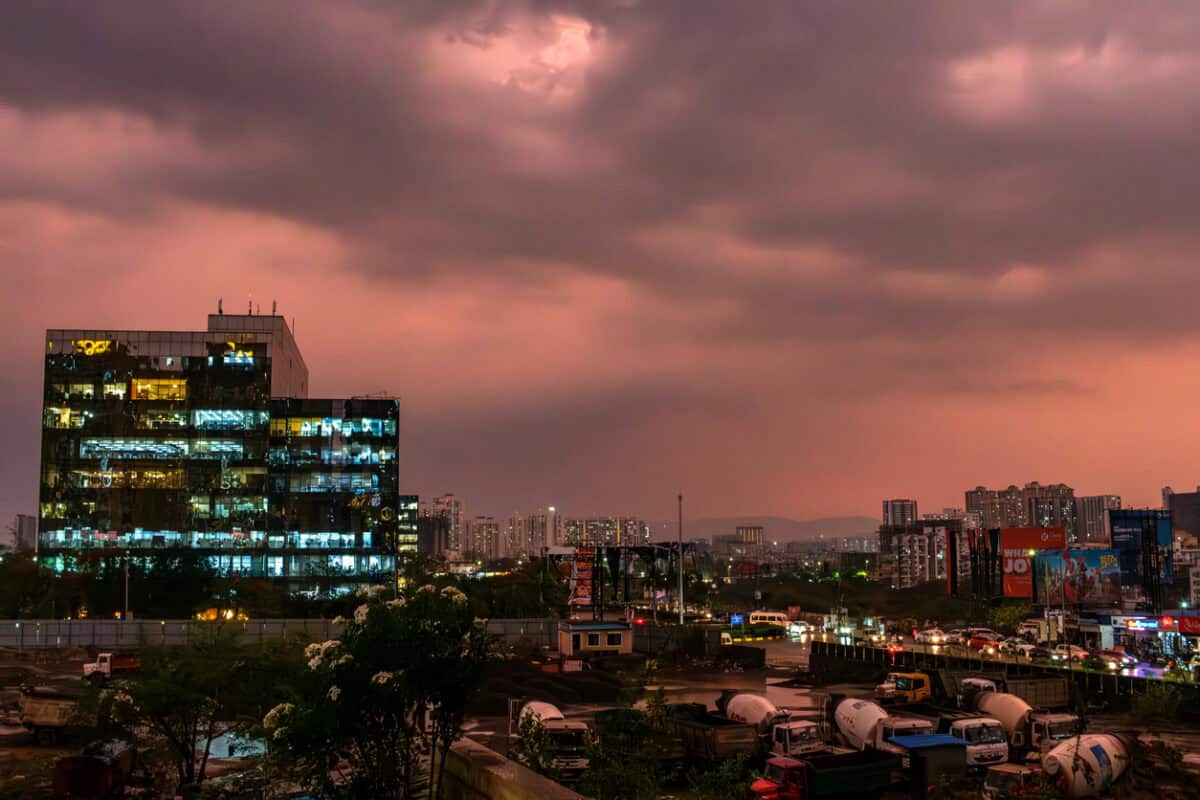
The workplace culture of EY and other major consulting companies came under scrutiny several years ago following an apparent work-related suicide at the offices of EY in Sydney. EY’s workplace culture is again being examined after the death of a young EY employee in India, allegedly due to work stress.
Category: culture
”take safety seriously”
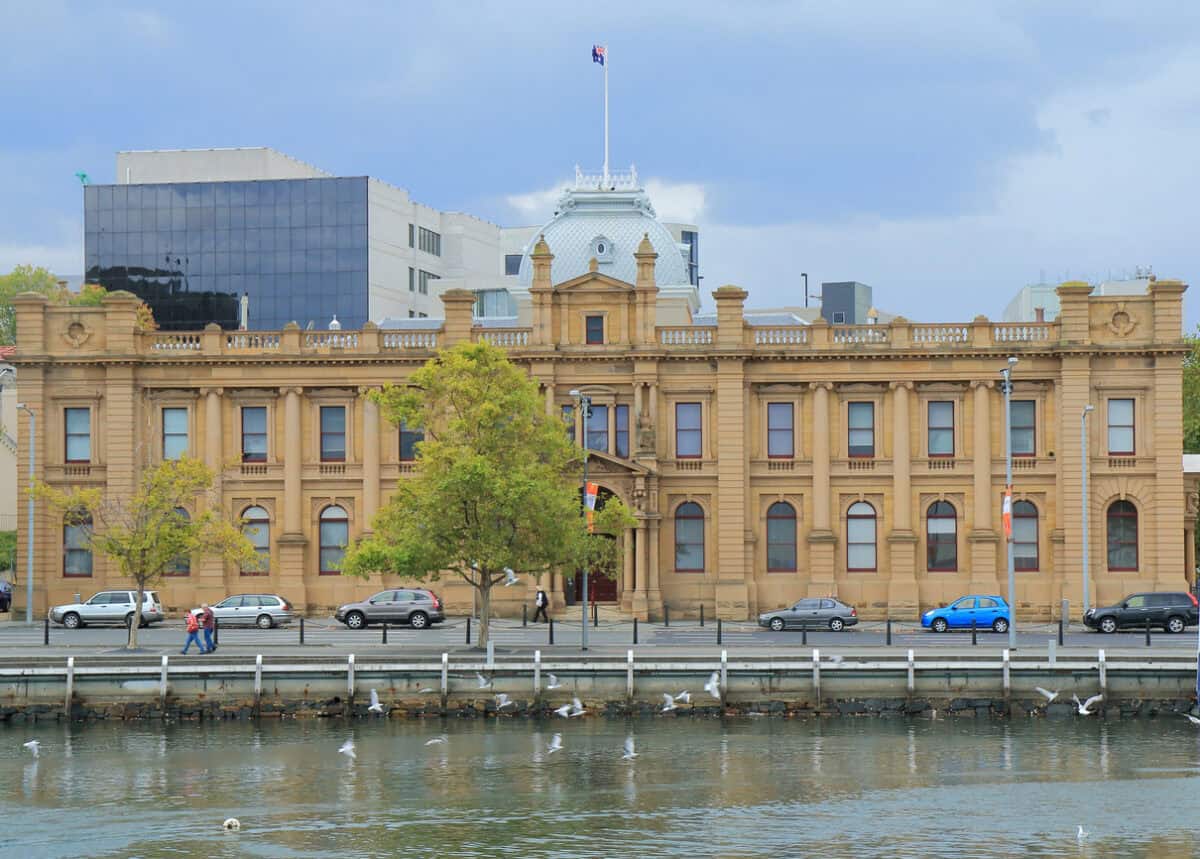
Tasmanian politicians recently discussed Industrial Manslaughter laws in Parliament. As with similar debates in other jurisdictions, occupational health and safety (OHS) appears to justify these amendments, but the OHS principle of preventing harm is rarely discussed. Deterrence? Yes, but Prevention? Not really.
Veterans, Suicide, Culture and Crompvoets
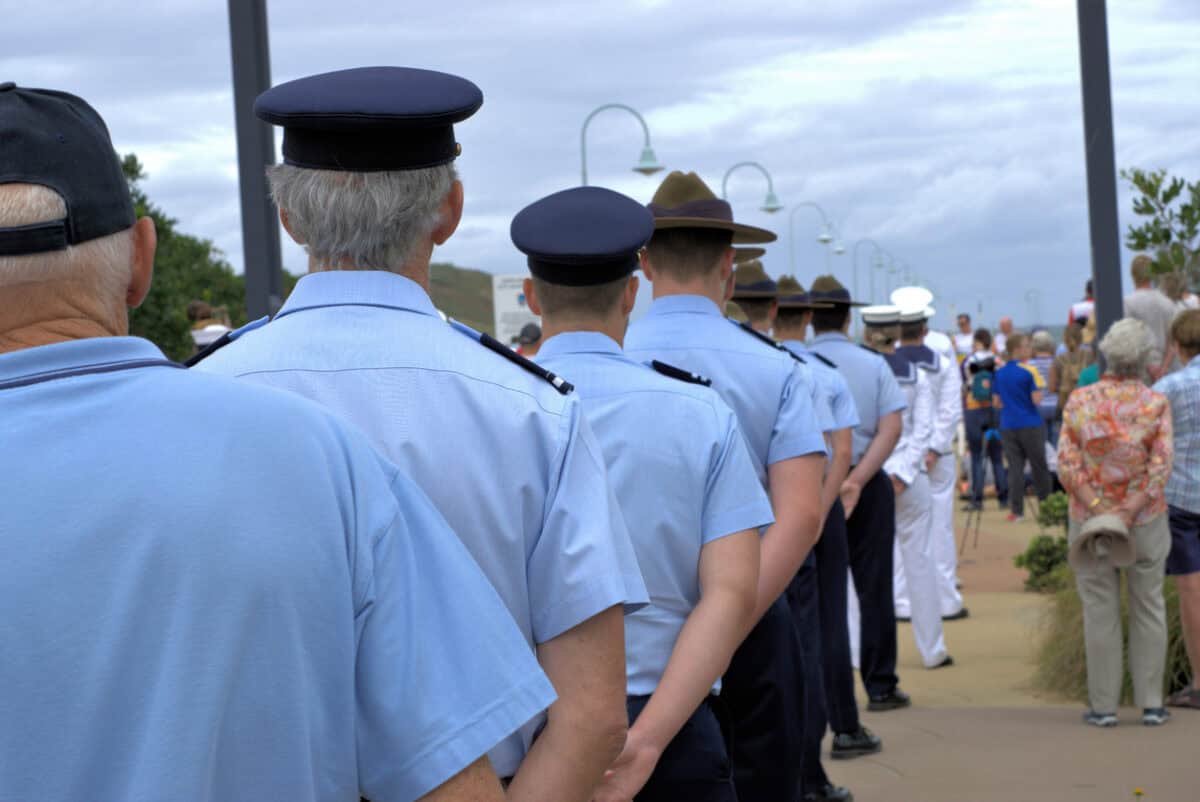
For many years, occupational health and safety (OHS) has been fixated on “Culture” as an encompassing term for what management activity does not work and what does. The focus has faded slightly since the COVID-19 pandemic. Still, Culture made an important reappearance this week with the delivery of the final report of Australia’s Royal Commission into Defence and Veteran Suicide. However, some of the most telling analyses of the safety culture in the Australian Defence Forces occurred in 2021 with the work of Samantha Crompvoets.
NOTE: this article discusses suicides
“How can I make my workers safer?”
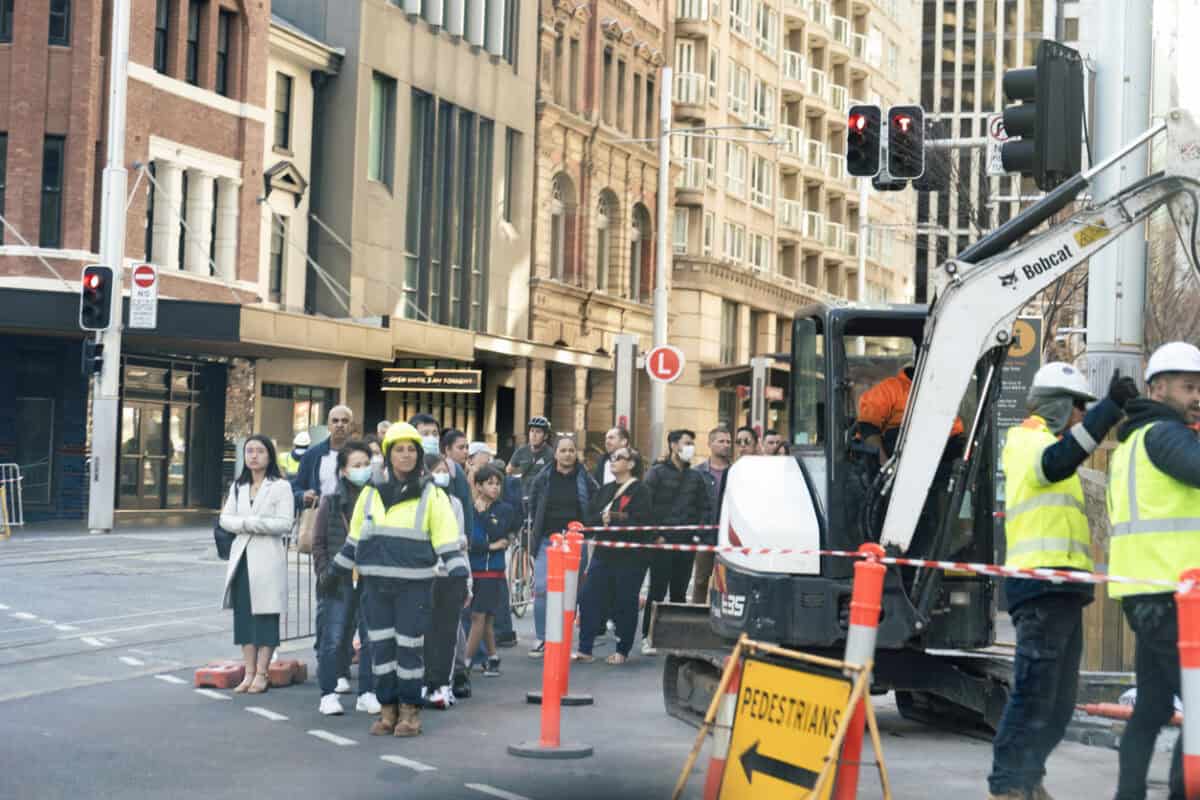
Most of the Australian occupational health and safety (OHS) regulators have released their calendars of events for October. There are many invaluable events, especially for those in small- to medium-sized businesses or who have been delegated as “responsible” for OHS in those companies. There are several special events and symposiums for those of working in OHS full time, but here are three themes that I would like to see discussed during the 2024 National Safe Work Month?
Continue reading ““How can I make my workers safer?””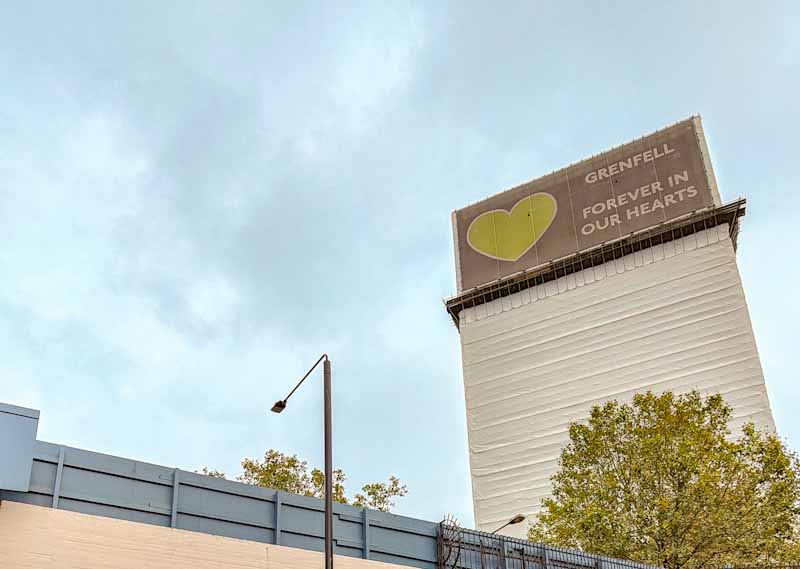
“…the system isn’t broken. It was built this way” – Grenfell Tower and OHS
The inquiry report into the Grenfell Tower fire has yet to be seriously considered from the other side of the world. However, the report is being mentioned in Australia’s emergency services and fire sectors. The inquiry has been thoroughly followed and analysed in the United Kingdom, and many excellent summaries have been published in newspapers, books, and podcasts. Australia’s cladding debate has not been to the same extent as the UK. Still, the UK’s structures, policies, processes, business ethics and neglect are certainly mirrored in Australia, which directly impacts how workplace health and safety operates here.
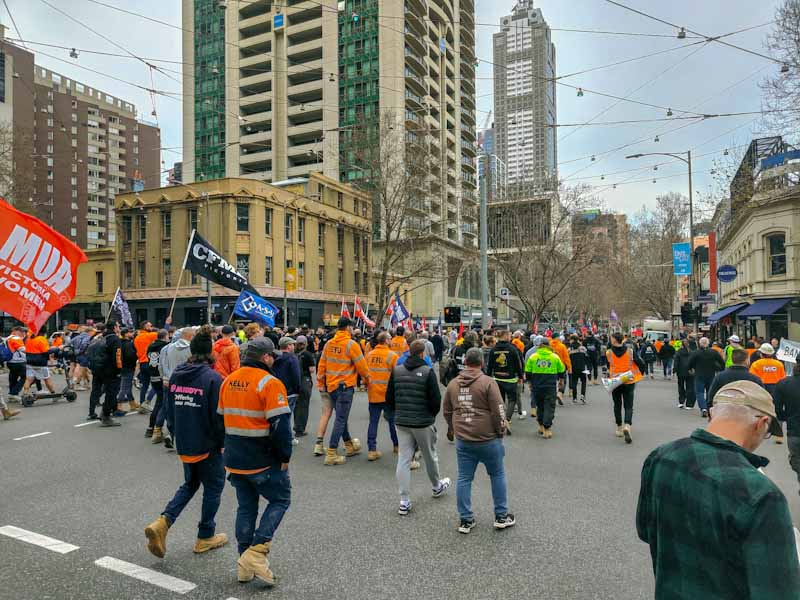
OHS and the CFMEU
Australian media and politicians have been frothing over revelations and allegations of criminal and bikie gang influence in the country’s largest construction industry trade union, the CFMEU (Construction Forestry Mining and Energy Union). The coverage has been almost entirely concerned with industrial relations, but occupational health and safety (OHS) is present in any trade union scandal, though usually on the fringes. OHS appeared in several areas of the controversy in late August 2024.
“don’t trick people” – Greenwashing and Safewashing
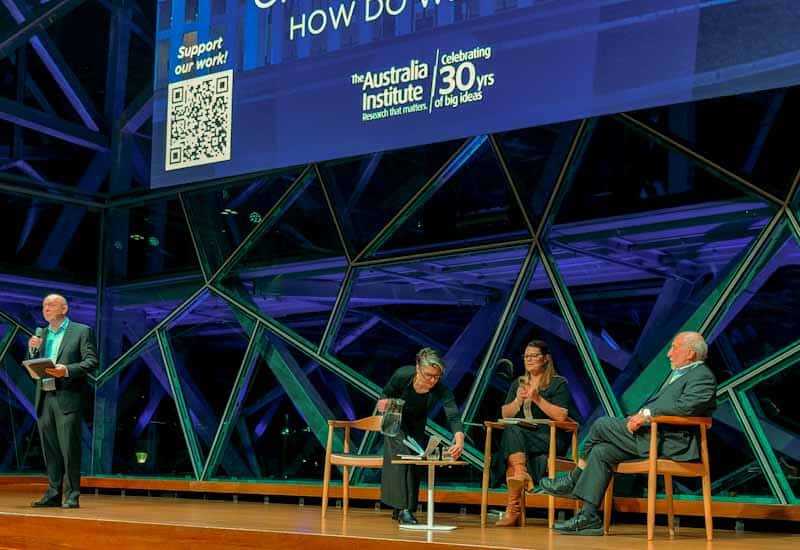
Nobel-prize winner Joseph Stiglitz does not write about occupational health and safety (OHS). However, he does write about the sociopolitical and economic context in which businesses operate and from which worker health and safety decisions are made. In August 2024, Stiglitz is touring Australia. On August 7, 2024, he addressed a packed auditorium in Melbourne.
The topic was Greenwashing. He shared the stage with Senator Sarah Hanson-Young and Polly Hemming. The event, and I think the tour, was sponsored by The Australia Institute. Why was an OHS professional at a greenwashing lecture? The tools, techniques, and preventions of greenwashing are often echoed in OHS.