

Every occupational health and safety (OHS) conference over the last twenty years seems to have revolved around the twin concepts of culture and leadership. The fascination with these concepts deserves analysis as they are confusing, and sometimes conflicting, and this is unhelpful for those in the lower or middle order of the management structures who are trying to affect change.
Category: culture

I found love and protection at the World Congress
Practicing my own advice of talking with people you don’t know at conferences, last night at post-conference drinks, I was told about love and protection.
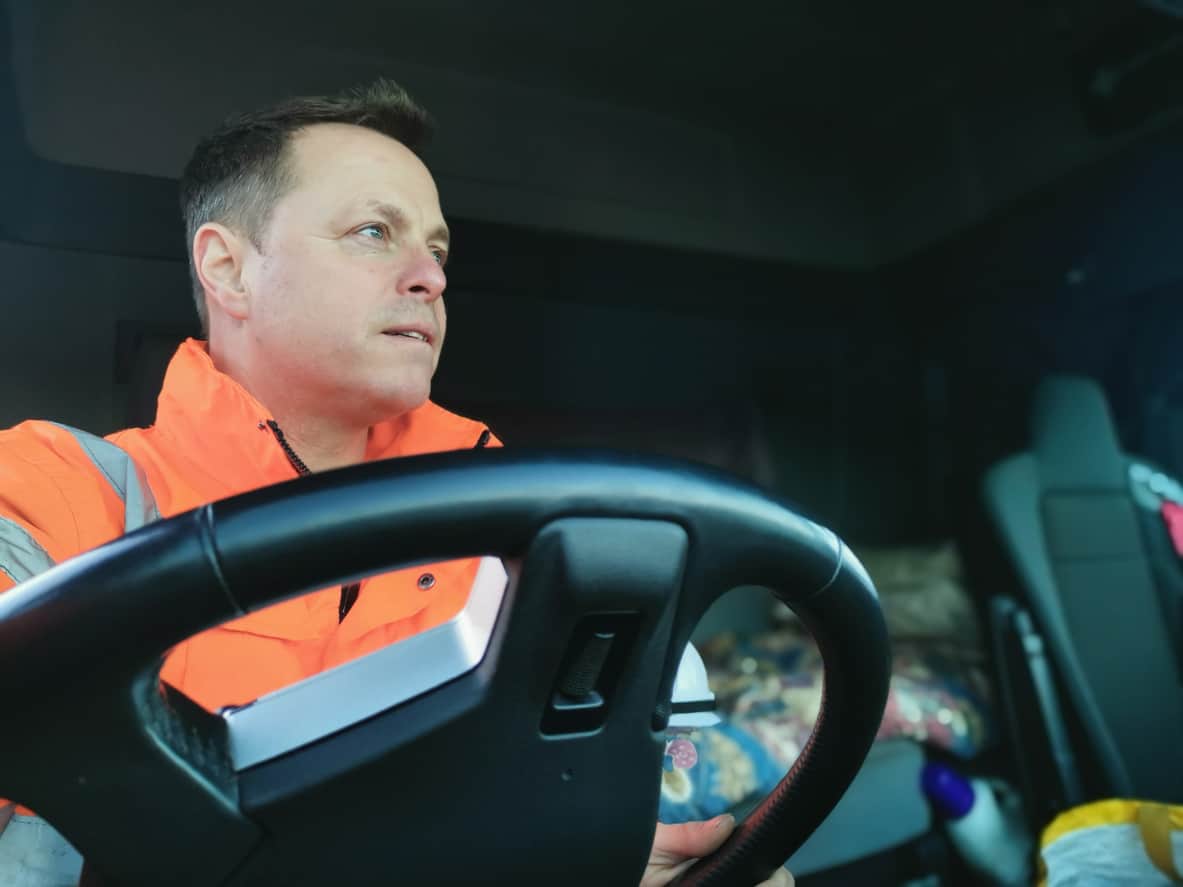
A transport court case relevant to all managers and employers
In November 2023, Australia’s National Heavy Vehicle Regulator released a “case learning” about a successful prosecution and sentence that the NHVR described as
“One of the most serious examples of a breach under the HVNL [Heavy Vehicle National Laws]”
The seriousness of the breach is perhaps reflected in the fine of A$2.3 million.
It is a significant case and a prosecution with lessons for managers and employers well outside the transport sector. In fact, the NHVR’s “Key takeaways for executives” could form the basis of a solid and productive business management system.
Cultural and operational shortcomings in white-collar work
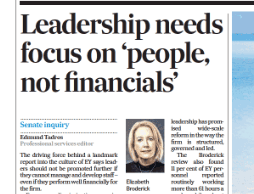
Long working hours and the billable hours structure received some attention in the prominent business newspaper. the Australian Financial Review, on November 11,2023. Unsurprisingly the article, by Edmund Tadros, about former Sex Discrimination Commissioner, Elizabeth Broderick has garnered attention in the business social media. The article reinforces the unsafe nature of the dominant management practices in white-collar workplaces.
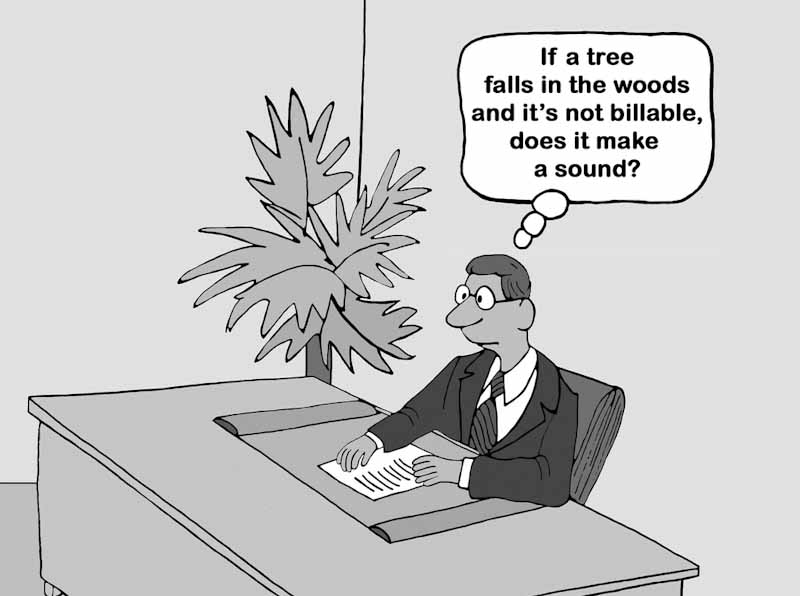
Billable hours are unsafe
Late last week, it was announced that prominent lawyer Michael Tooma was leaving Clyde & Co for a position with Hamilton Locke, focussing on environment, social, and governance matters. This is interesting in one way, as lawyers move firms regularly, but his comments about the social harm from law firms’ reliance on billable hours was more interesting.

Get rid of dinosaur thinking on workplace mental health
Victoria’s coronial services has been found guilty of breaching its occupational health and safety (OHS) obligations after one of its employees died by suicide, identifying work issues as a major factor in her death. WorkSafe Victoria has released the best source of information on this case. Most of the mainstream media is relying on a newswire report,which is based on WorkSafe’s information.
Significantly none of the prevention strategies identified by WorkSafe are included in the media reports even though this is perhaps the most vital information for preventing recurrences.
This article looks at the advice offered by WorkSafe Victoria in its media release on what actions it believes could prevent the occupational factors that resulted in this suicide from emerging, or not being addressed, in your workplaces.
Is it time to ditch the Safety Moment?
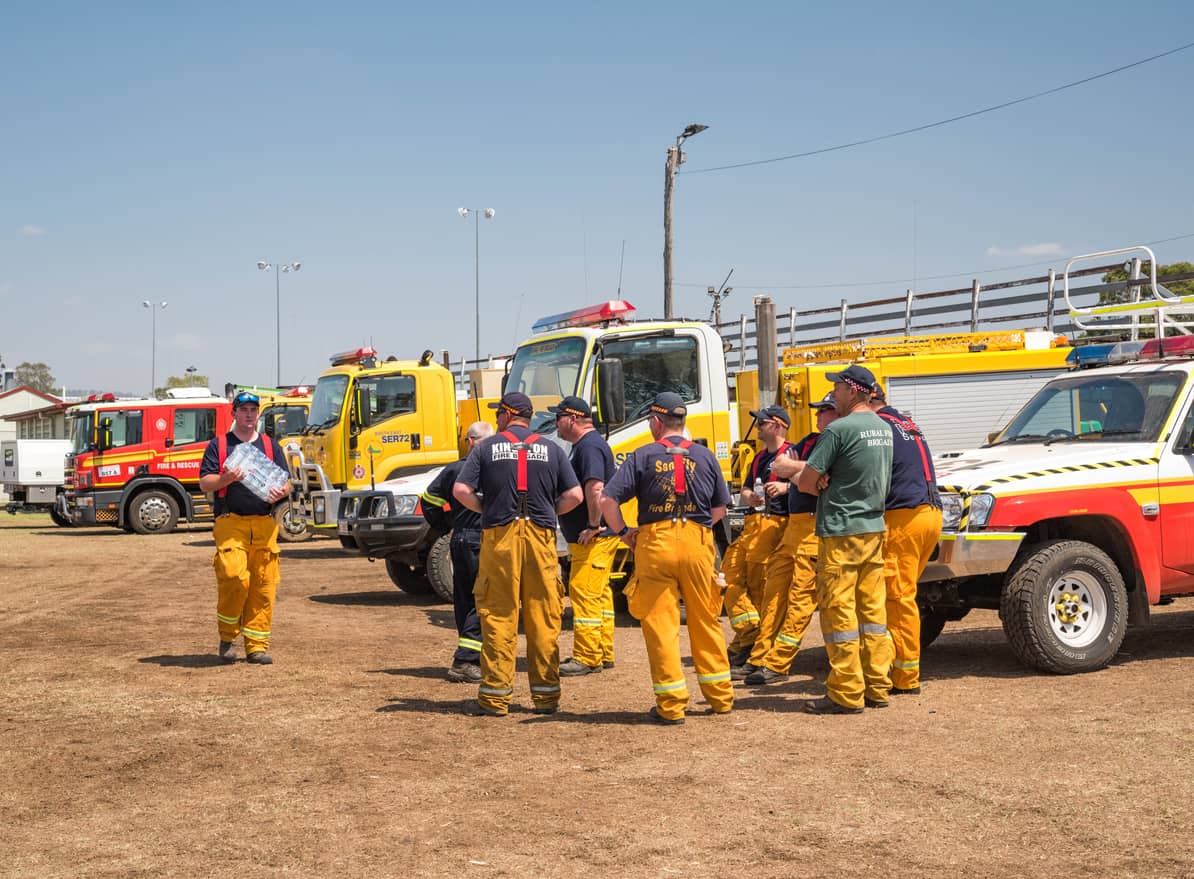
It’s National Safe Work Month in Australia this October. This year’s theme is SafeTea** emphasising the importance of involving everyone in work health and safety (WHS) discussions by encouraging workplaces to have a safety chat over a cup of tea. This started me thinking about safety conversations. Is the Safety Moment mentioned at the start of every meeting ritual impactful, engaging, behaviour changing or is just eroding safety credibility?