Multidisciplinary approach to work-related suicides (Open Access)

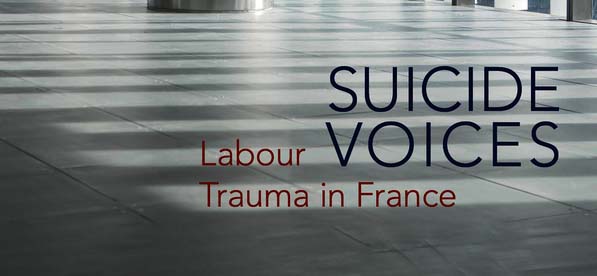
Recently Denmark hosted the 19th European Symposium on Suicide and Suicidal Behaviour. Workplace suicide was on the agenda, and SafetyAtWorkBlog was able to pose some questions to a leader in suicide research, Professor Sarah Waters. Below is an illustrative extract:

“….If we reduce suicide to a mental health problem that is located in the mind, then there is no need to question the wider social structures and power relationships in which the individual is embedded. Suicide in my view is a political and a societal problem that is shaped by the wider social forces of which the individual forms part….”

Continue reading “Multidisciplinary approach to work-related suicides (Open Access)”

Traditional suicide prevention strategies struggle for relevance

September 10 is World Suicide Prevention Day. Many organisations are and will be, releasing information about suicides but not really the prevention of suicides, more the management of potential suicides. It is a curious international day as it is almost a warm-up to Mental Health Day (and, in some places, Month).

This week Suicide Prevention Australia (SPA) released a report based on a survey of 283 responses, the majority from members of SPA. It’s not a representative survey, but it gained a fair bit of media attention. It also raises consideration of the meaning of a “whole-of-government” approach and the role of Regulations in preventing suicides.

Regardless of the peculiar survey sample, the media release accompanying offered a statement that should have all mental health and suicide prevention professionals reassessing their strategies.

Subscribe to SafetyAtWorkBlog to continue reading.
Subscribe Help
Already a member? Log in here

Why are farms becoming safer?

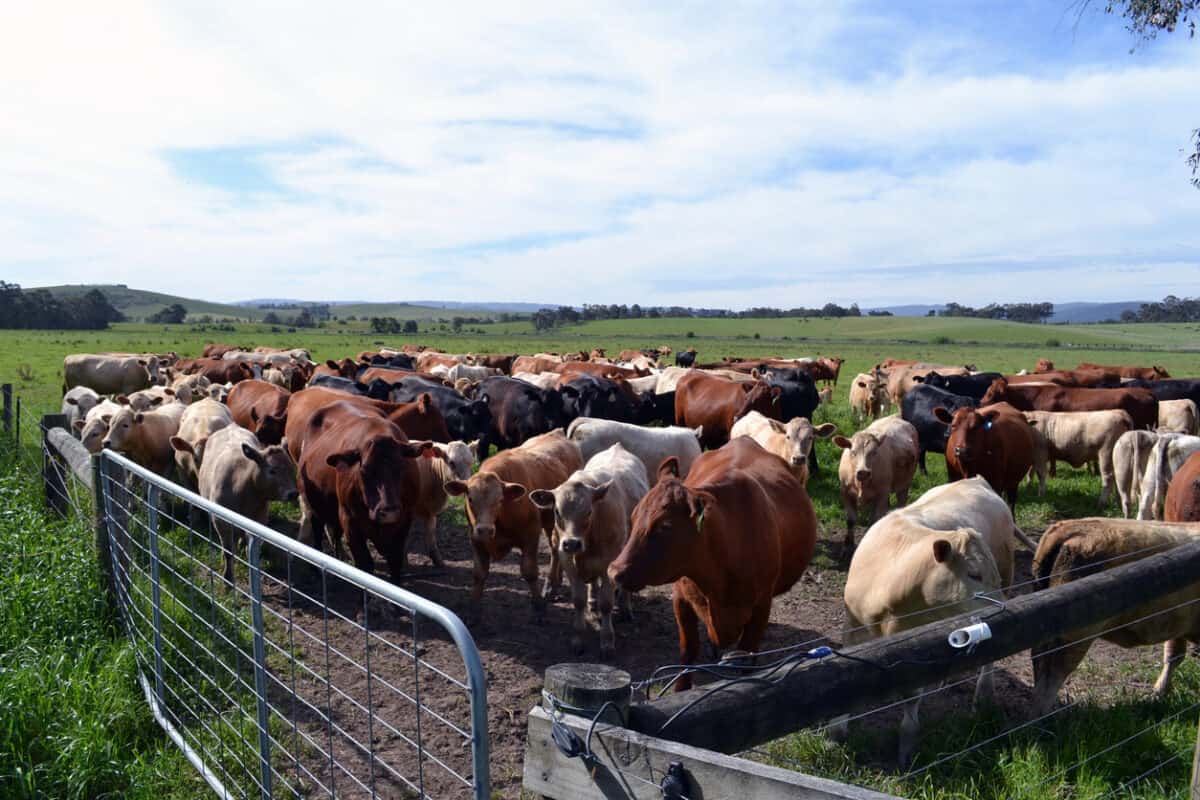
It is Farm Safety Week in Australia. These types of events are intended to raise awareness of specific issues. The biggest problem with these events is that solutions are rarely presented; it is assumed that raising awareness is sufficient. This is hard to justify in agriculture, where many of the smaller and high-risk farms have been run by families for many years and often generations. As a result, most people living in the country know of someone widowed after a workplace incident or of someone like the one-armed tennis player or lawn bowler who lost an arm in an unguarded Power Take-Off.

At some point, the strategy must move from raising awareness to providing solutions.

Subscribe to SafetyAtWorkBlog to continue reading.
Subscribe Help
Already a member? Log in here

“the job is never done”

Every so often, there are sufficient numbers of workplace deaths and injuries that a government feels the need to act. In 2019, the Queensland government closed down its mining sector for a “safety reset”, which required every mine worker to be retrained in occupational health and safety (OHS). Recently Western Australia needed to act on deaths in its farming sector and has established an inquiry into the issues.

Farming is perhaps the hardest industry in which to affect change. It is dominated by male workers and farmers. It has next to no union presence. OHS inspectors rarely attend farms except after a severe injury or death.

Subscribe to SafetyAtWorkBlog to continue reading.
Subscribe Help
Already a member? Log in here

Not all suicides have a mental health condition

Most suicide prevention conferences I have attended have been dominated by mental health analyses, strategies and spruikers. The slow change in that dominance began around Professor Allison Milner’s research in 2018 and her questioning of the evidence of a mental health base but stalled with her untimely death a year later. A recent research paper in the American Journal of Preventive Medicine may be the spark to reignite the discussion on suicides that do not have a mental health connection.

Subscribe to SafetyAtWorkBlog to continue reading.
Subscribe Help
Already a member? Log in here

Another attack and death of a remote area nurse

In 2008 a remote area nurse was raped and assaulted in her work-related residence in Mabuiag Island in the Torres Strait. More recently, South Australia had a similar incident – the rape and murder of nurse Gayle Woodford while working on-call alone. Both have resulted in inquiries by Coroners, Departments of Health and others, with similar outcomes, primarily that these incidents could have been prevented.

The recent outrage around Woodford’s death was that SafeWorkSA investigated and decided not to proceed with a prosecution of her employer Nganampa Health Council (NHC). The Coroner had already investigated Woodford’s death and found significant deficiencies in the NHC’s management systems and practices. Understandably questions have been asked in the South Australian Parliament, questions that raise important occupational health and safety (OHS) issues.

Subscribe to SafetyAtWorkBlog to continue reading.
Subscribe Help
Already a member? Log in here

Cooperation, duty of care, jail, death and a simple message

The details of the death of disabled woman Ann Marie Smith are horrific. (Readers can look them up online but be warned that they are confronting) Last week the South Australian police (SAPol) charged two directors of Integrity Care SA, Amy June Collins and Alison Maree Virgo, and the company itself with criminal neglect causing death and failing to comply with a health and safety duty of care, according to one media report.

There are many occupational health and safety (OHS) lessons from Smith’s death, but one of particular note is that the South Australian Police and SafeWorkSA conducted a joint investigation. Deputy Commissioner of Police Linda Williams said, in a media release:

Subscribe to SafetyAtWorkBlog to continue reading.
Subscribe Help
Already a member? Log in here
Concatenate Web Development
© Designed and developed by Concatenate Aust Pty Ltd