Suicide Prevention, Genders and Workplace Interventions

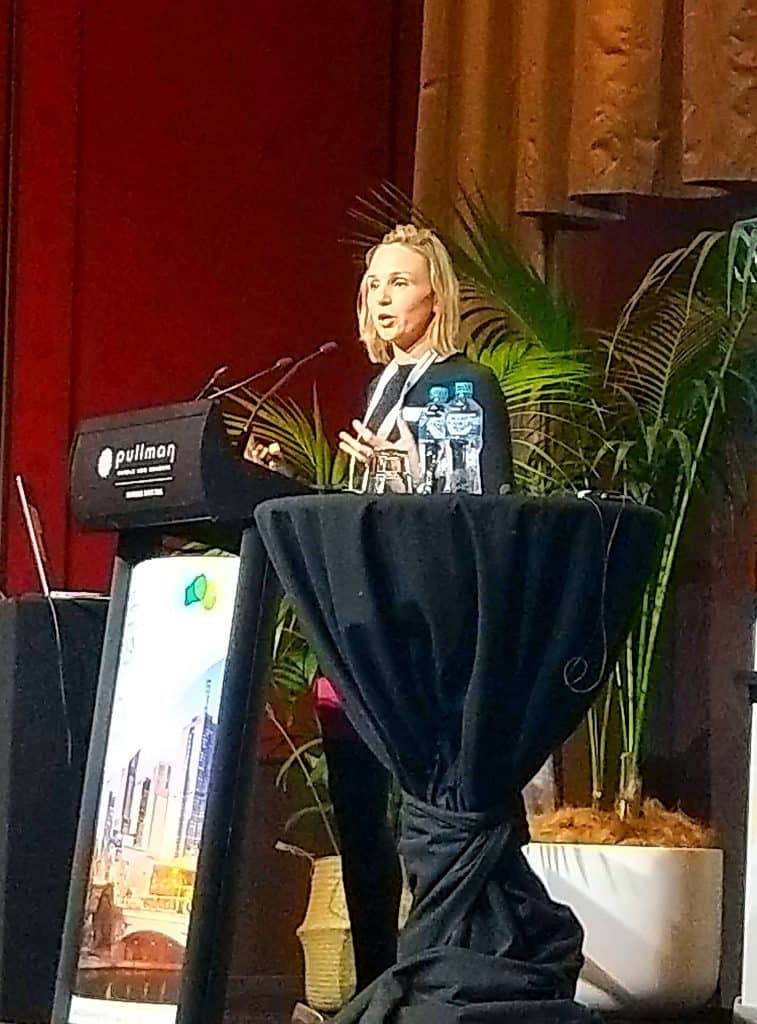
Allison Milner speaking at the 2019 National Suicide Prevention Conference

2019 was always going to be a Year of Mental Health for Australians as there are various official inquiries and investigations occurring. Last week alone, the Royal Commission into Mental Health Systems focused on suicide prevention. This overlapped with the National Suicide Prevention Conference (NSPC) and on Friday one of Australia’s National Mental Health Commissioners, Lucinda Brogden, spoke at a VIOSH 40th anniversary seminar.

The “evidence” of Lived Experience dominated the Conference and has been a regular feature of the Royal Commission, but the much more robust evidence of work-related mental health has also been on show. This evidence supports the harm prevention strategies advocated by occupational health and safety (OHS) professionals, researchers and Safe Work Australia and continues its peer-reviewed strength, even if the audience seems less than it should be.

Subscribe to SafetyAtWorkBlog to continue reading.
Subscribe Help
Already a member? Log in here

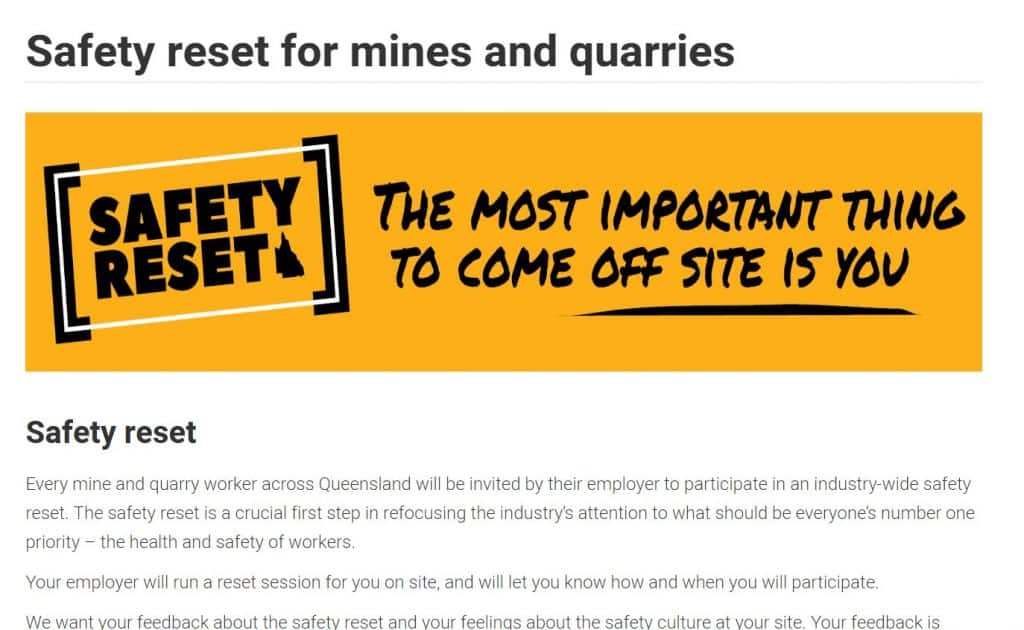
Queensland’s ‘Safety Reset’

Queensland is undertaking a “safety reset” following several recent deaths in the mining and quarry industry. This government initiative has the backing of the resources sector and has collated a good amount of safety resources in support of what is a mandatory exercise.

What is a little different in this initiative is that it reinforces that the primary responsibility for occupational health and safety (OHS) rests with the employers and company owners. In the past, government initiatives have tended to take on the responsibility for the OHS changes or imply that it is the government’s job to fix the situation and the relative safety cultures, as if it was government (in)activity that caused the problem.

Subscribe to SafetyAtWorkBlog to continue reading.
Subscribe Help
Already a member? Log in here

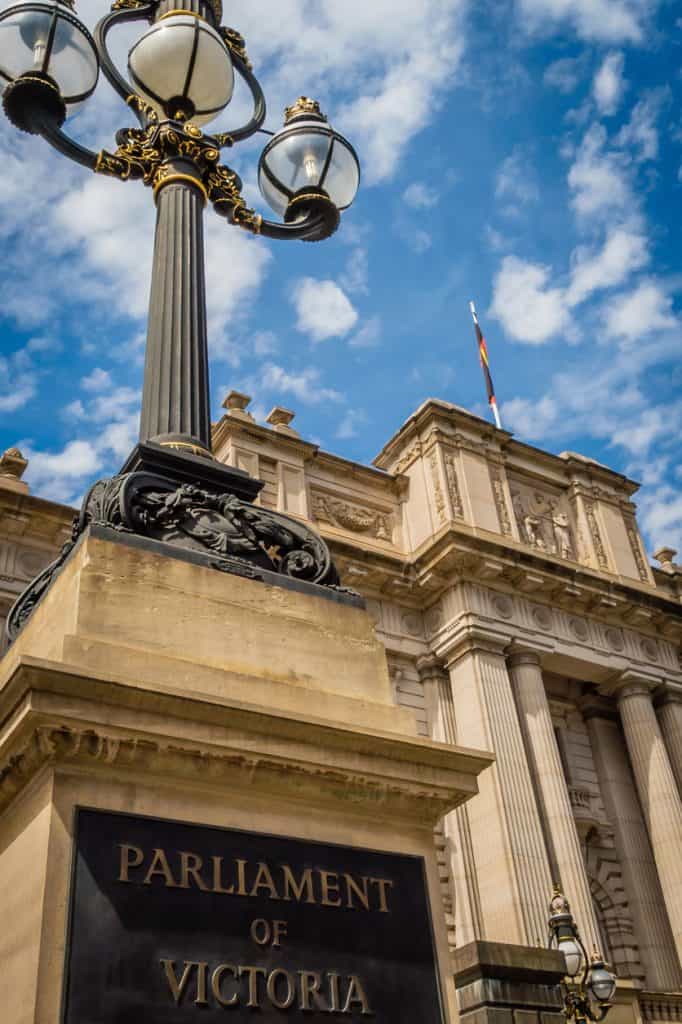
Industrial Manslaughter concerns of the Victorian government taskforce

In April this year the Victorian Government’s Workplace Manslaughter Implementation Taskforce raised the following issues in its Criminal Law Reform Consultation Paper, seen by the SafetyAtWorkBlog:

  • the definition of “person” in the OHS and proposed Industrial Manslaughter laws
  • the establishment of negligence and the standard of care expected by the reasonable person
  • the extension of Industrial Manslaughter offence to the deaths of members of the public
  • whether a decision or act causes the death or only contributes to it
  • exceptions to the laws beyond just volunteers
  • inter-agency cooperation and coordination for effective prosecutions.
If you have any information about safety-related issues or incidents, remember that SafetyAtWorkBlog operates a confidential and anonymous information line at https://safetyatworkblog.whispli.com
Subscribe to SafetyAtWorkBlog to continue reading.
Subscribe Help
Already a member? Log in here

Suicide Differently

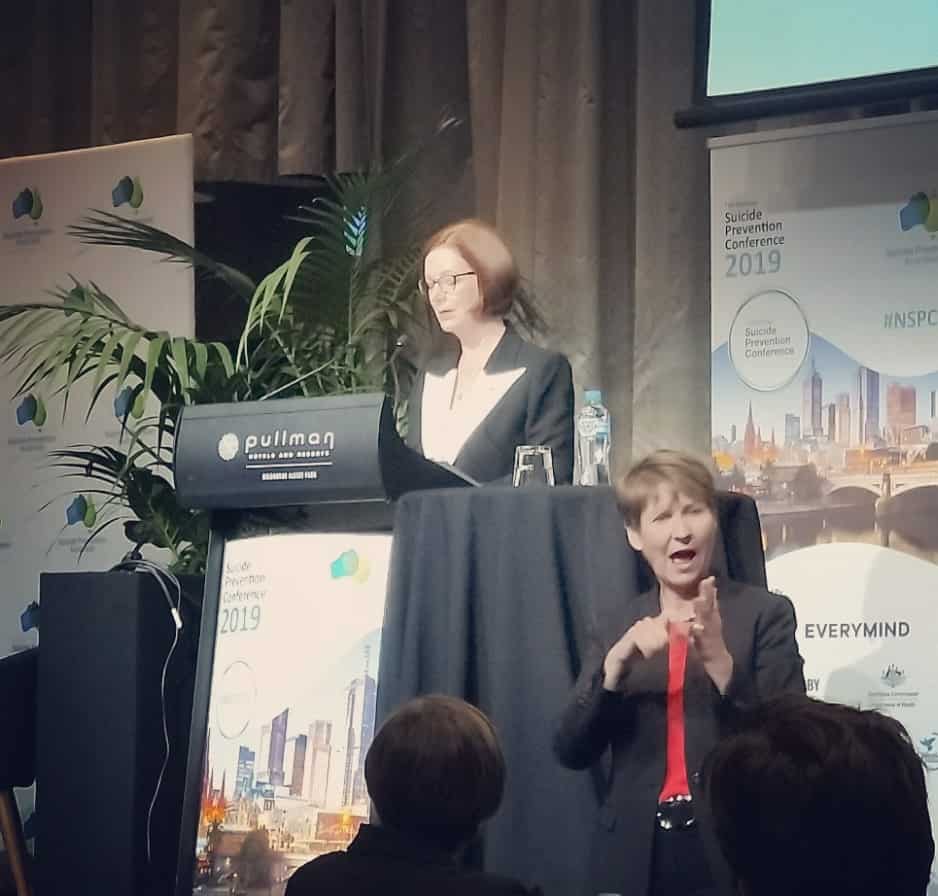
Former Australian Prime Minister Julia Gillard (with a signing interpreter) speaking at the National Suicide Prevention Conference

Over 600 delegates at the National Suicide Prevention conference in Melbourne in July 2019 heard one speaker almost invoke the “Safety Differently” concept to suicide prevention (Hands off, its ours, Ed.). This showed that suicide prevention approaches are maturing, but that advocates continue to operate in a public health/mental health silo.

Several speakers acknowledged that the suicide prevention strategies in Australia over the past few decades have failed to reduce the suicide rate. This has been known for some time as evident from this statement by Emeritus Professor Ian Webster in a 2017 publication “Postvention Australia Guidelines”:

“Prevention has always been part of the national suicide prevention strategy but its contribution is even more important now as some of the past initiatives have not been as effective in reducing suicide rates as we had hoped.”

Page 5
Continue reading “Suicide Differently”

Suicide prevention at Victoria’s Royal Commission

The Royal Commission into Victoria’s Mental Health System began the first of a couple of days focusing on suicide prevention by reminding the audience that there are three kinds of interventions:

  • Universal – population level wellness
  • Selective – those who have suicidal thoughts and behaviours
  • Indicated – those who are engaging in suicidal behaviour

Occupational health and safety (OHS) concerns about harm prevention overlap with each of these to some extent, but the approach with the most opportunity for the prevention of harm is likely to be in Universal intervention. SafetyAtWorkBlog looked for discussion of work-related harm and interventions in yesterday’s Public Hearings.

Subscribe to SafetyAtWorkBlog to continue reading.
Subscribe Help
Already a member? Log in here

Bereaved families group demands changes

Documents related to the development and implementation of Industrial Manslaughter laws in Victoria and seen by SafetyAtWorkBlog say that the Department of Justice and Community Services will draft a policy paper on the laws prior to the proposed Industrial Manslaughter Bill being presented to Parliament in October or November. October’s Work Health and Safety Month promises to be lively this year.


Participants in the Workplace Fatalities and Serious Incidents Reference Group had expressed concerns about the phoenixing of companies after a workplace fatality and that workplaces where deaths have occurred should be treated as a crime scene that:

“…should not be operational until a full investigation is complete”

Subscribe to SafetyAtWorkBlog to continue reading.
Subscribe Help
Already a member? Log in here

“…this mother introduced her son to his first employer and within a year he was dead”

Recently Jan Carrick spoke with SafetyAtWorkBlog about how her life changed after the death of her son Anthony, who was on the first day of his new job sweeping floors. Jan was responding to a series of questions put to her and others. One of those others was Andrea Madeley.

Andrea Madeley has been an outspoken advocate for changes in occupational health and safety (OHS) laws since her son died in a workplace incident in 2004. In response Madeley established the influential advocacy group VOID – Voice of Industrial Death. Madeley has recently qualified as a Solicitor.

SafetyAtWorkBlog wanted to tap into the wisdom of those who have already experienced the death of a loved one at work and who has gone through all the related court processes, in the hope that this will provide an important perspective to those around Australia who are in the early stages of similar tragic experiences.

Below are Andrea’s responses to SafetyAtWorkBlog’s questions.

Subscribe to SafetyAtWorkBlog to continue reading.
Subscribe Help
Already a member? Log in here
Concatenate Web Development
© Designed and developed by Concatenate Aust Pty Ltd