

We know what employers/leaders do or do not do about psychosocial hazards at work and the psychological impacts. But there is still insufficient discussion on why those leaders make those choices. Recently, Dr Caroline Howe came close to answering the “why” in a blog article for her Psychosocial Safety and Leadership Institute.
Category: design
Holding Space for the Ridiculous in Workplace Health and Safety
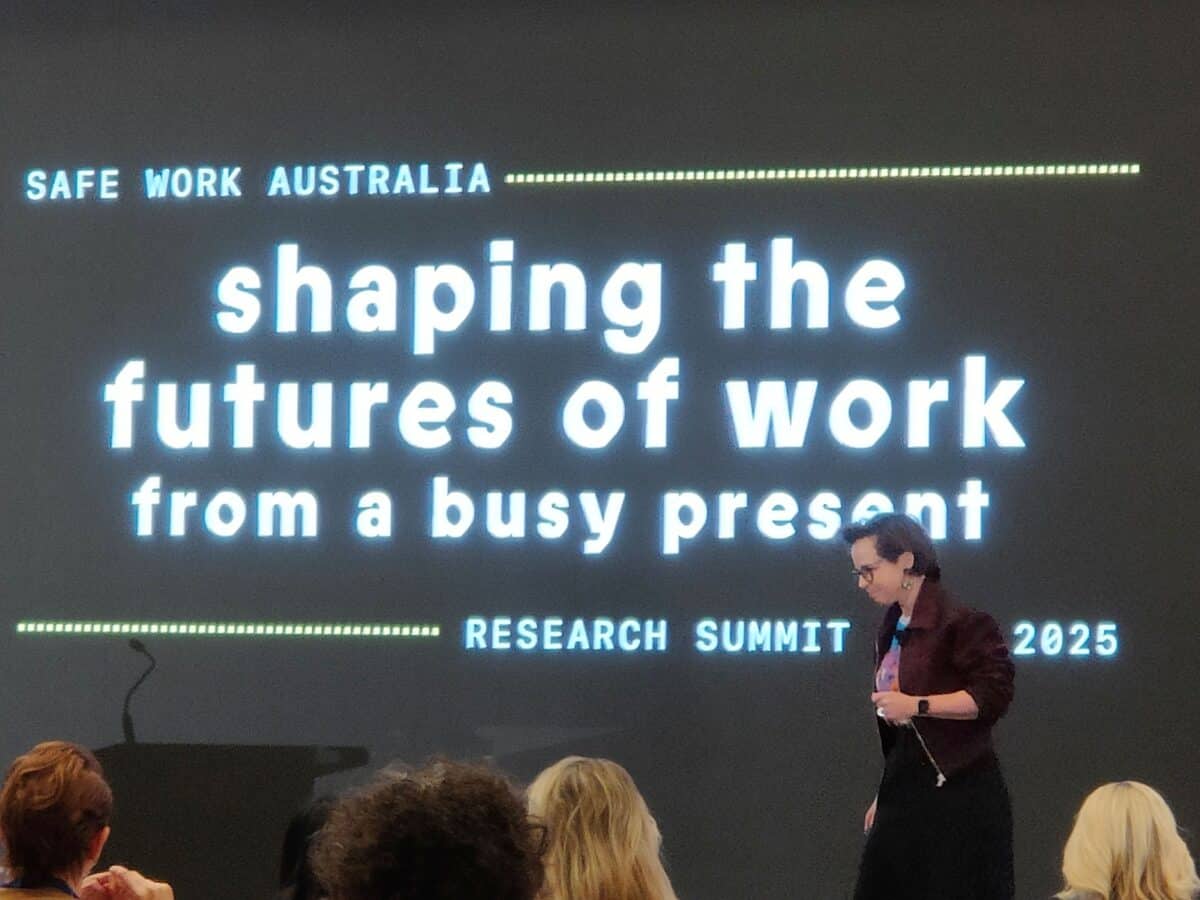
One of the most divisive speakers at last week’s Research Summit organised by Safe Work Australia was futurist Reanna Browne. Some delegates found her approach to research to be offensive. Others thought she was granted too much time. Some were confused.
15 SWA Research Summit Ideas and a Translation
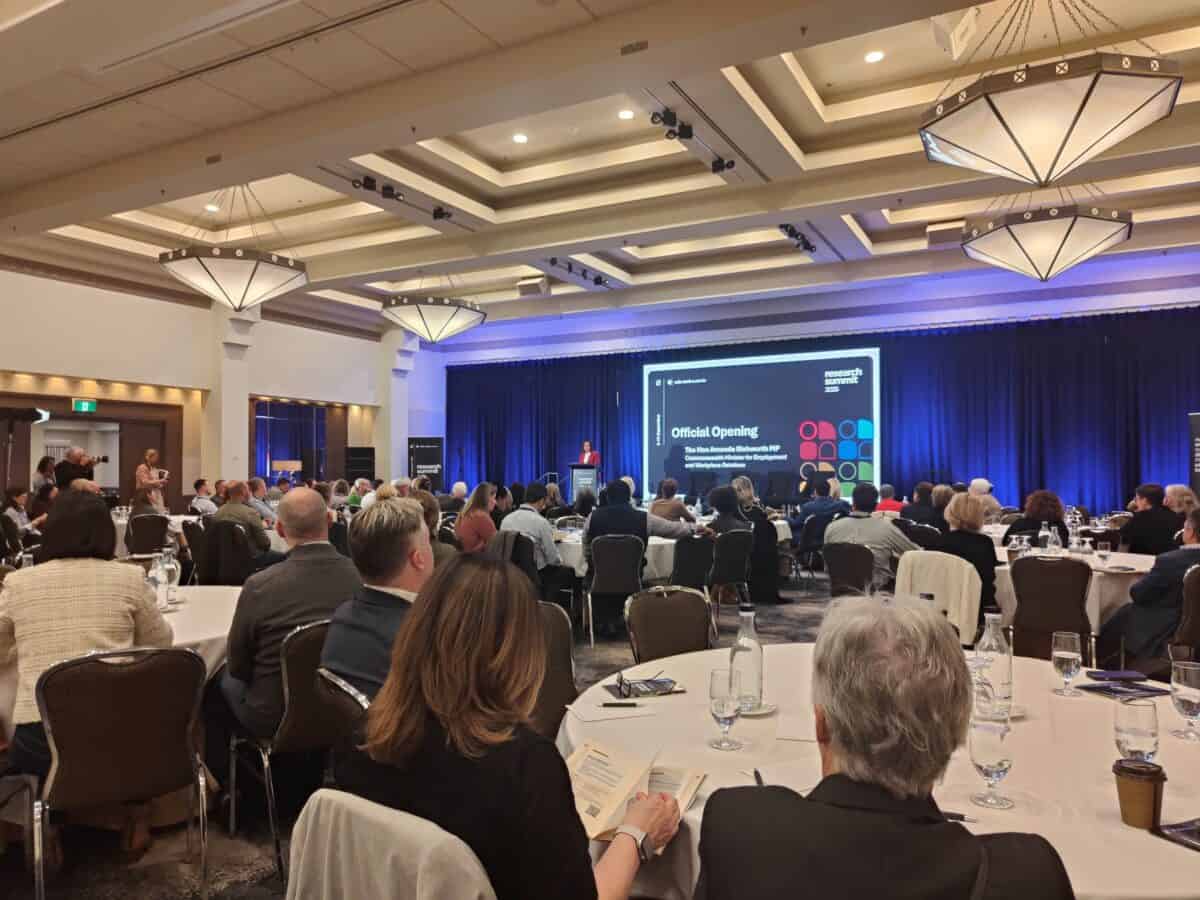
Although I have expressed concerns about the application of AI data analytics at the recent Safe Work Australia (SWA) Research Summit, I think it is important to list the 15 Leading Ideas that the analysis process identified from the summit. Some of these will seem like the bleeding obvious, but these outcomes will inform SWA’s research agenda and strategy.
Heat, Harm and the Cost of Denial
As Victoria shivers in the middle of its Winter and a cop-killer runs loose in the mountains in the middle of the state, it may seem odd to think about the occupational health and safety (OHS) context of working in excessive heat. However, give us a couple of months, and it will be a hot topic again in the Southern Hemisphere. (First and last weather pun, I promise)
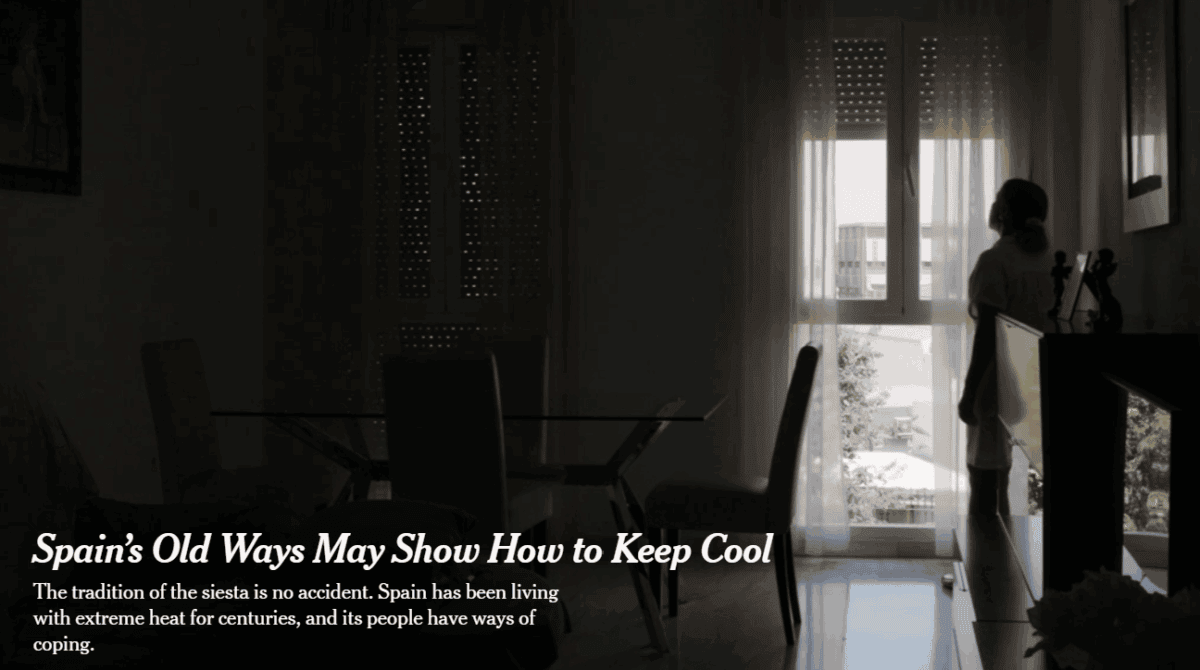
A recent article in The New York Times (paywalled) examined excessive heat in Spain, providing useful details on the changes being implemented—some old, some new.
Who Gets to Be Called a Leader
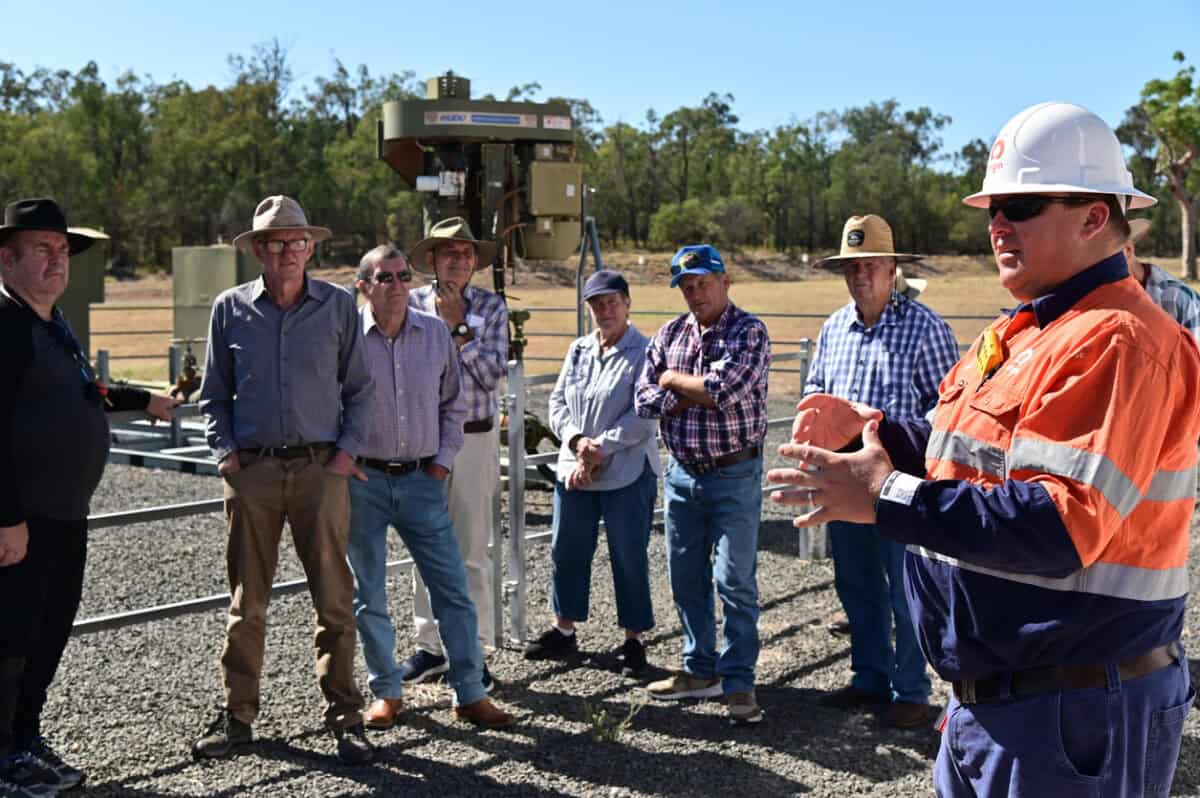
Lisa Leong has followed up her This Working Life podcast with a more detailed look at the practicalities of addressing work-related psychosocial hazards with Dr Laura Kirby. It is worth listening to, but there is a term repeated in the podcast that needs examining – “leader”.
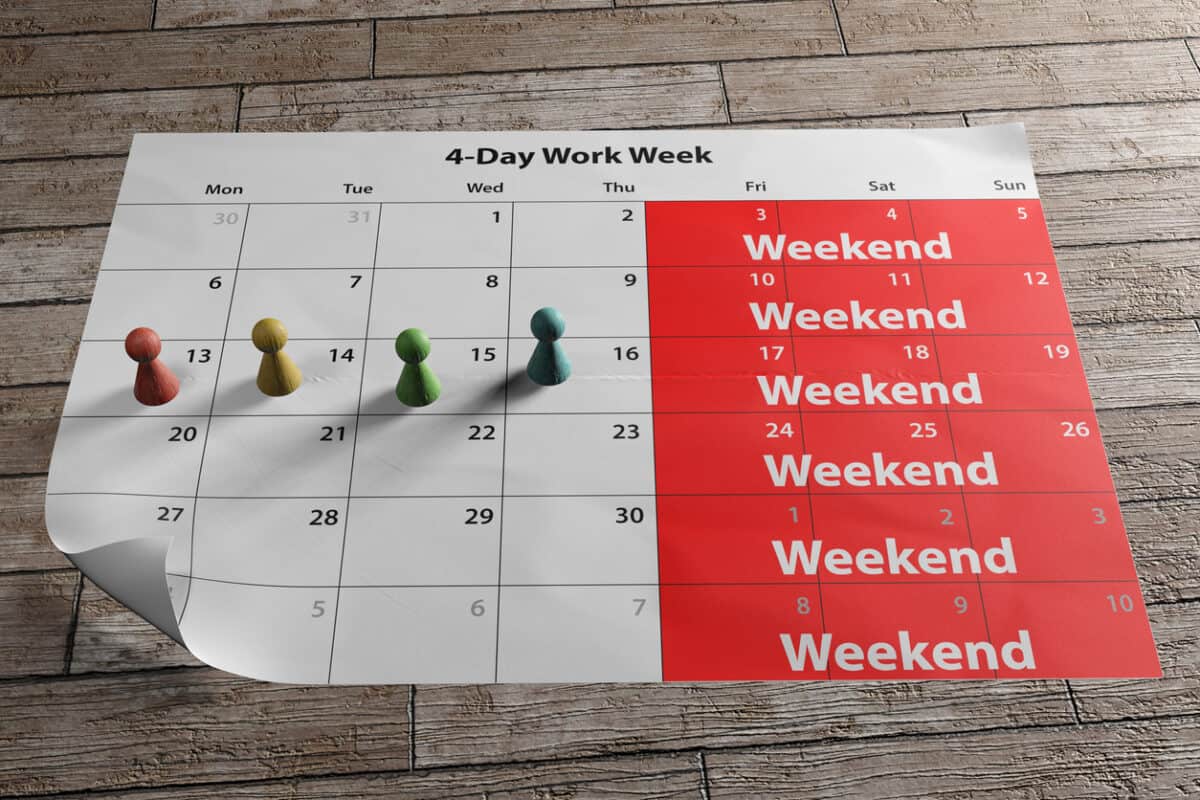
A Fair Day’s Work: Leisure, Safety, and the Politics of Time
Recently, I read Sean Scalmers’ new book “A Fair Day’s Work“. Last week, Scalmer spoke at a lunchtime lecture. There were two questions that I posed in the online seminar, but neither was answered at the time. Thankfully, he responded to me directly.

When Safety Is Optional: The OHS Blind Spot in Childcare Abuse Reform
Improvements in safety and health at work are almost always begun after fatalities, catastrophes and scandals. This says much about the prominence of occupational health and safety (OHS) in Australian society. The latest industrial scandal is in the childcare industry. Non-compliance with safety requirements was exposed in March 2025, but now allegations of sexual abuse of babies, toddlers and children have been levelled against several workers. The industry and the governments that oversee it are struggling to identify solutions. OHS can provide a legal and managerial framework, as determined in a safety review published only last week.