Overburden exposes the social burden of workplace death and illness

On 26 February 2016, a recent documentary about a portion of the American coal-mining industry, Overburden, was shown with a panel discussion, as part of the Transitions Film Festival in Melbourne. The film is commonly promoted as an environmental film but it also touches on

  • Corporate and executive arrogance;
  • A complete disregard to worker safety;
  • Excessive influence of industry lobbyists in the political process;
  • The socio-economic impacts of allowing an industrial monopoly;
  • Personal perspectives of risk.

The trailer hints at some of these issues. (A traditional mainstream review of the film is available HERE)

The panel drew direct lines between the Appalachian issues raised in the film with the socio-economic issues in Victoria’s LaTrobe Valley that resulted from the Hazelwood Mine Fire. Continue reading “Overburden exposes the social burden of workplace death and illness”

Extracting good from maps of death

Ever since I read the London Encyclopaedia during my honeymoon in England, I have waited for a similar encyclopaedia based on workplace safety. However, the world has changed since then and such an encyclopaedia would most likely to be created as an app.

The London Encyclopaedia is indexed by places, streets and addresses, and so should a “Safety Encyclopaedia” app through a localised map of workplace fatalities.

Subscribe to SafetyAtWorkBlog to continue reading.
Subscribe Help
Already a member? Log in here

Learning safety and leadership from drama

Fukushima playMost professionals, including occupational health and safety (OHS) professionals, support the use of stories or narratives or case studies to explain complex scenarios and situations.  Recently, at the ProSafe 2015 conference in Melbourne, acting and theatrical skills were used to illustrate the humanity behind the nuclear disaster of Fukushima.
To the uninitiated this may sound like quantitative risk assessment of underground mining being explained through interpretative dance by bandicoots, but the actors in the Fukushima disaster scenario were captivating and the power of theatre, even in this small-scale and on a conference podium, was powerful, stimulating and engaging. And with a

Subscribe to SafetyAtWorkBlog to continue reading.
Subscribe Help
Already a member? Log in here

OHS and public health at The Coal Face

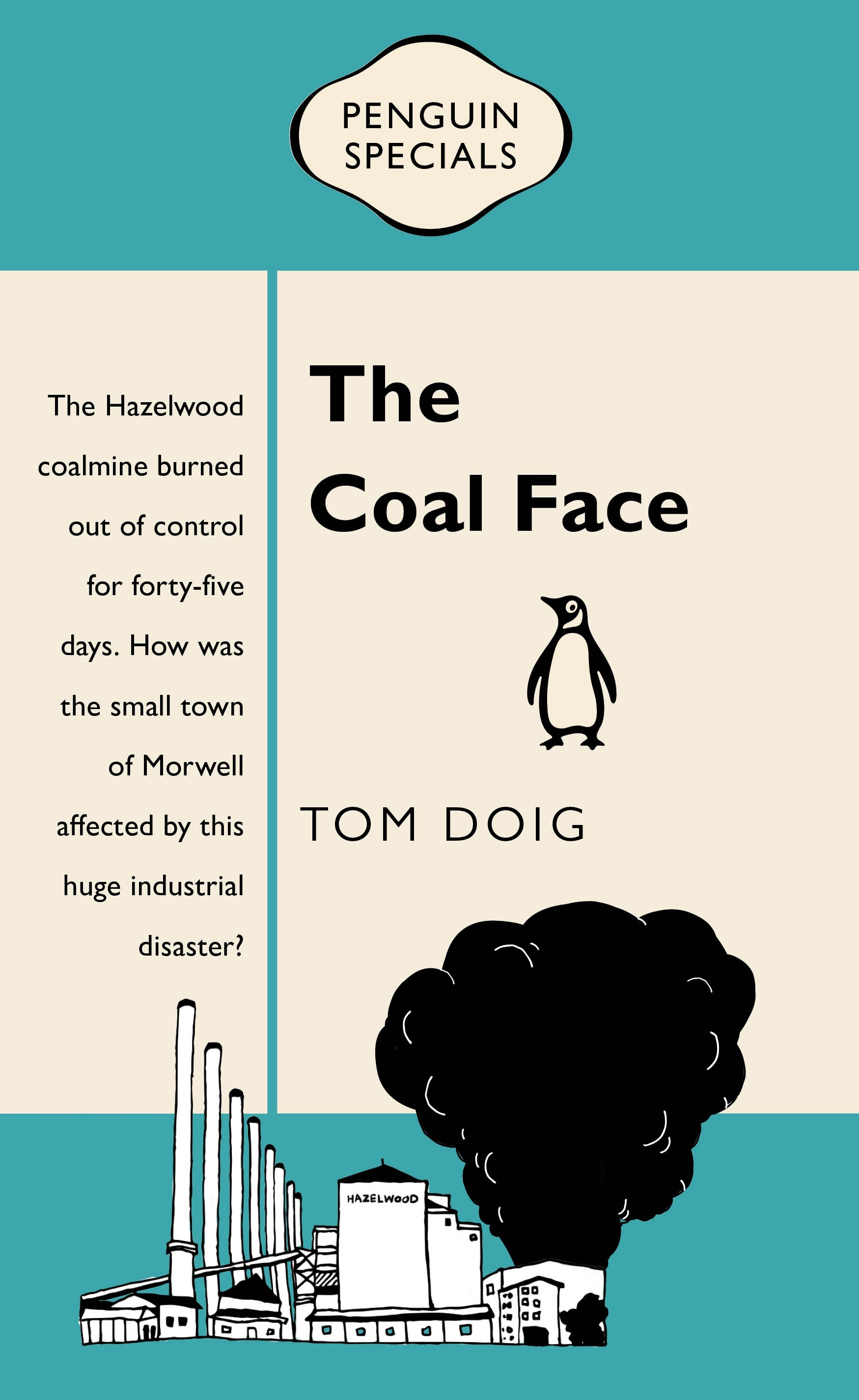
The Hazelwood mine fire has faded from the memory of most Victorians following the Parliamentary inquiry but not so for those who continue to live in the Latrobe Valley and with the health consequences of the fire.  Tom Doig has written a short book on the incident and its consequences that will put pressure on the Andrews (Labor) Government to honour its election promise and reopen the inquiry.

Doig’s book, The Coal Face, summarises many of the issues raised by the inquiry by looking at a selection of personal stories from residents, neighbours and firefighters.  It is a short book of just over 100 pages but it is an important reminder that the consequences of the mine fire are still being felt. Continue reading “OHS and public health at The Coal Face”

New book on pipeline safety has OHS lessons for all

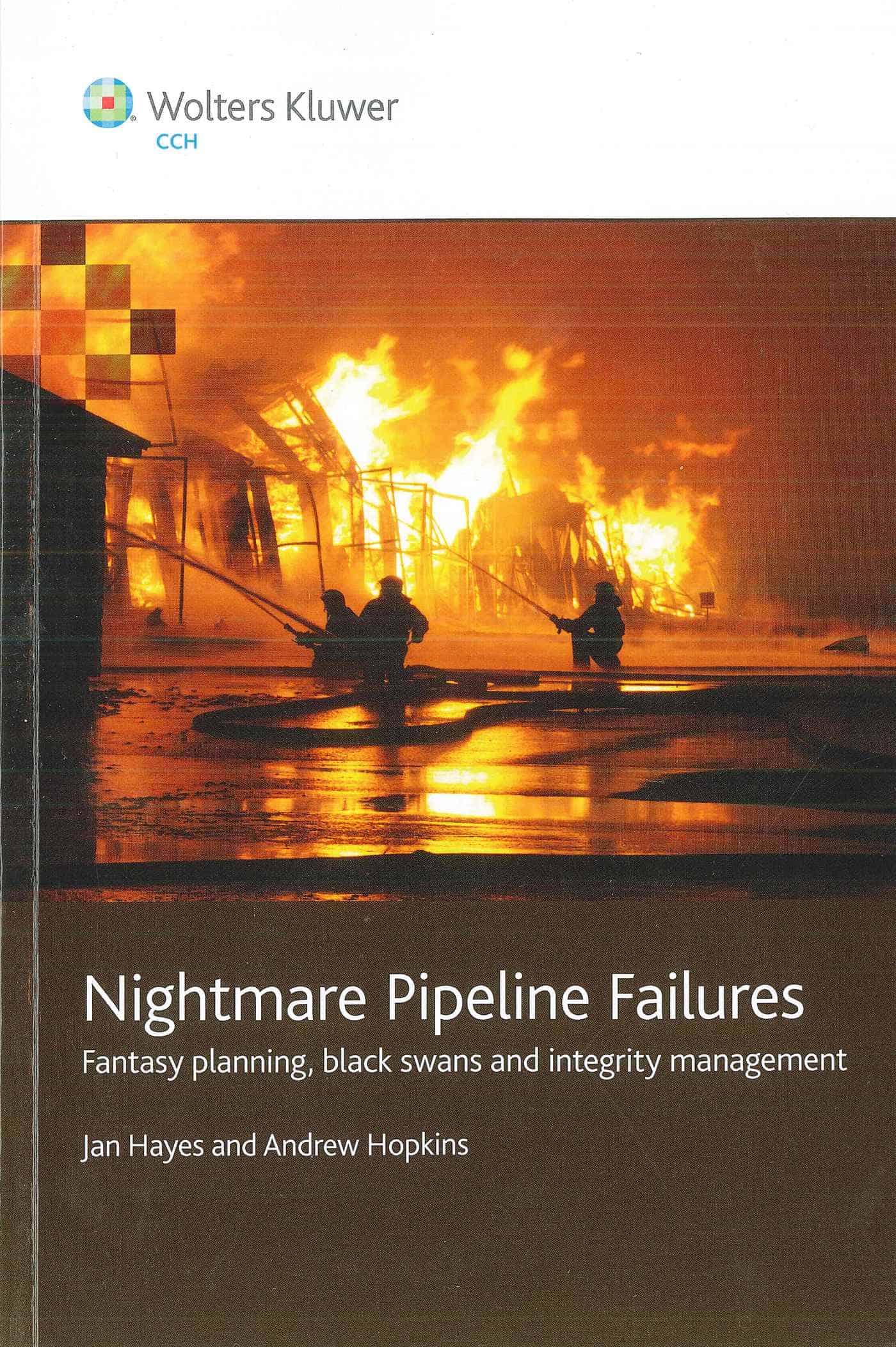
Hopkins Hayes Book CoverAny new book by Andrew Hopkins is a cause for excitement.  The latest book co-written with Associate Professor Jan Hayes* focusses, primarily, on two pipeline disasters in the United States but has sufficient information and thoughts for those OHS professionals outside this sector and jurisdiction.

Nightmare Pipeline Failures: Fantasy planning, black swans and integrity management” is a typically slim volume written in Plain English that benefits from the broad knowledge of its authors.  Readers of Hopkins’ early books will get all of the cross-references.  In some ways, this book can be seen as almost a case-study of Hopkins’ work on mindfulness and high-reliability organisation, as the themes of management perspectives, activity and decision-making occur repeatedly in this book. Continue reading “New book on pipeline safety has OHS lessons for all”

Safety Culture can distract from safety management

Mohammad Rabbi has recently written that

“…safety culture is something that must permeate an entire organization. Its application largely depends on the investment, training, employee attitude, environment, location, laws, customs and practices in the industry.  So how can organizations go about developing a safety culture?”

He is right that any safety culture has a wide range of business and social contexts but the quote, and the article, Workplace Safety Culture 101, seems to miss a couple of contextual realities.  Many of these issues quoted appear to be basic elements of business and safety management and not dependent on safety culture programs.

Subscribe to SafetyAtWorkBlog to continue reading.
Subscribe Help
Already a member? Log in here
Concatenate Web Development
© Designed and developed by Concatenate Aust Pty Ltd