

Every book by Ellen Pinkos Cobb deserves close attention, as her perspective and approach to examining sexual harassment and psychosocial hazards in the workplace are unique and valuable. Her new book, “The Global Evolution of Bullying, Harassment, and Discrimination Laws” is a great addition to one’s library.
Category: discrimination
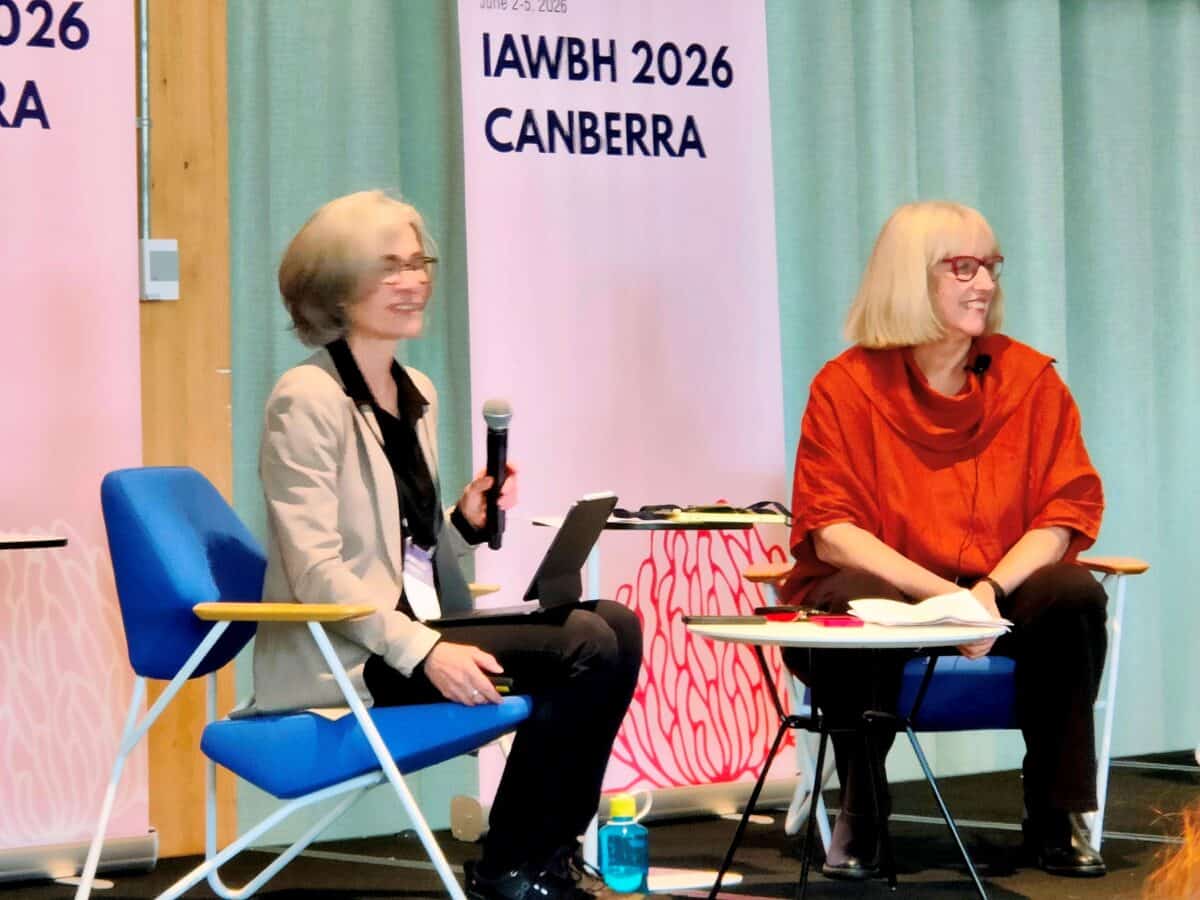
When Consultation Fails, Psychosocial Safety Fails With It
The Human Resources and Human Rights sectors in Australia are increasingly realising how useful the occupational health and safety (OHS) structures, laws and processes can be to preventing harm related to bullying, sexual harassment and gender-based violence. Recently, a joint presentation by Dr Rachel Cox from Canada and Associate Professor Belinda Smith from Australia (pictured above) highlighted this cross-sectoral awakening.
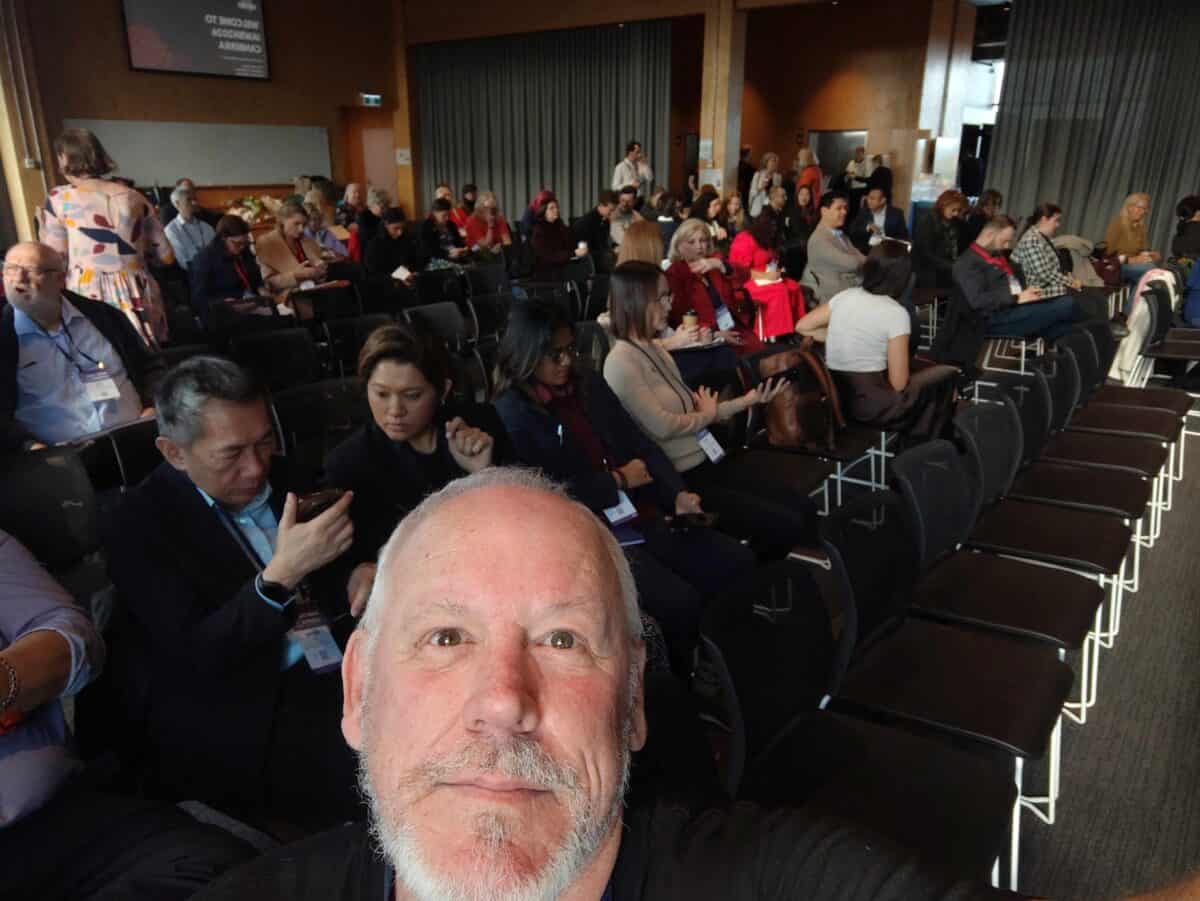
From Complaints to Control—IAWBH2026 and the Quiet Revolution in Psychosocial Safety
The 2026 conference for the International Association on Workplace Bullying and Harassment (IAWBH) was held in Canberra in June 2026. I was always curious about how prominent the term “psychosocial hazards” would be at this conference. It seems that most of the world still talks about workplace bullying and harassment and sexual harassment separately from the psychosocial, but the occupational health and safety (OHS) approach seems to be in the ascendant.
Below is my take (part 1 of 2) on the conference sessions I attended and the issues raised. (I missed the half day of Day 3). I have tried to use a generic, informative tone for a broader readership.
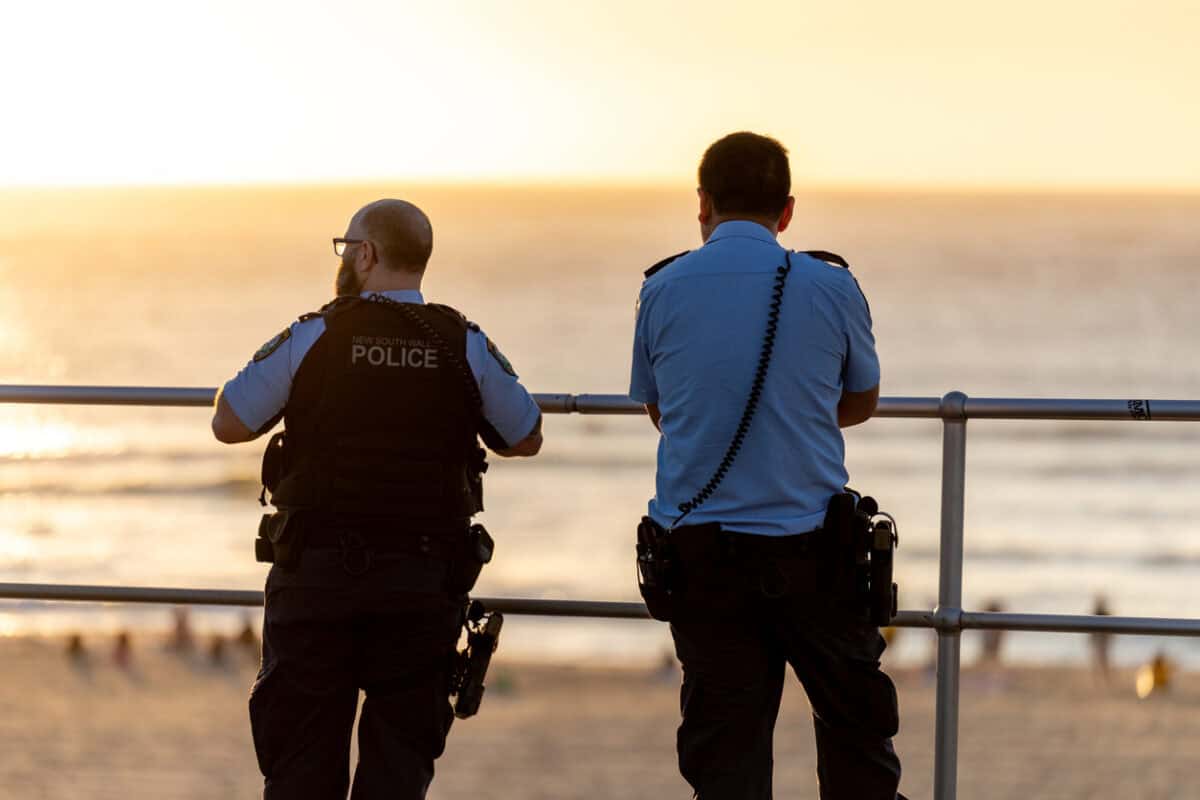
Breaking the cycle of inquiry and inaction in emergency services reform
This week saw the release of an inquiry into the workplace culture of the New South Wales police force. The findings were damning, but even though all Australian jurisdictions have police forces, the report received little attention beyond NSW, perhaps because we have heard it before. Coincidentally, this report was published one week after Carlo Caponnechia told an international workplace bullying and harassment conference that similar inquiries around the world have found similar cultural faults.
To address contemporary occupational health and safety (OHS) and community expectations, many businesses need to redesign their operations and organisational structures. The emergency services organisations should be given top priority.

Solving Psychosocial Harm at Work: The Upcoming Global IAWBH Conference in Canberra
Workplace bullying, harassment and other psychosocial risks are no longer fringe issues – they are central to how we think about safety, fairness and dignity at work. One forum that has been shaping this conversation for more than two decades is the International Association on Workplace Bullying and Harassment (IAWBH) and its much‑anticipated biannual conference. This year’s event brings researchers, regulators and practitioners together in Canberra to tackle some of the most difficult problems in working life, with a strong emphasis on practical solutions, especially pertaining to sexual harassment and gender-based violence.
Professor Carlo Caponecchia, who is presenting at the conference, made some time for a couple of questions.
Continue reading “Solving Psychosocial Harm at Work: The Upcoming Global IAWBH Conference in Canberra”
The Psychosocial Hazard Australia Pretends Isn’t There
Last year, some Australian media, especially the right-wing press like Newscorp and its suite of commentators, were incensed when journalist Laura Tingle stated that she believed that Australia was a racist country. But statistics seem to support Tingle’s belief, and as occupational health and safety (OHS) operates within that culture, is it also racist?
A new discussion paper from OHS consultancy firm fr&nk (based on a series of LinkedIn posts) acknowledges racism is a problem and suggests ways to address this psychosocial hazard.
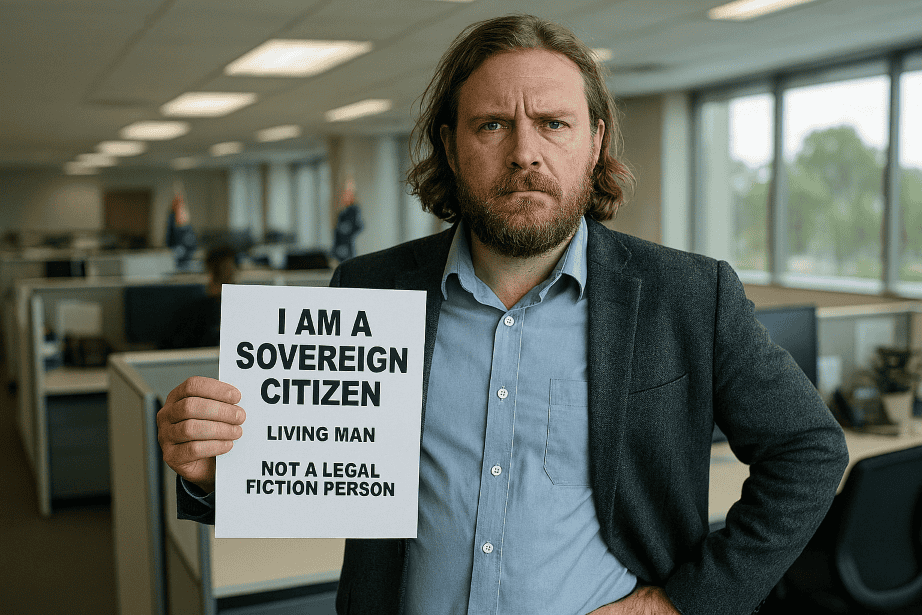
Sovereign Citizens and Work Health and Safety
In Australia, the sovereign citizen movement has gained strength for some time, particularly since the COVID-19 pandemic. It is also, according to The Age newspaper recently, creating administrative problems for the courts – Flash juries and Bible verses: How sovereign citizens clog up Australian courts (paywalled). I began considering how I would manage a worker who held sovereign-citizen beliefs and might object to certain policies and directives used in the occupational health and safety (OHS) context.