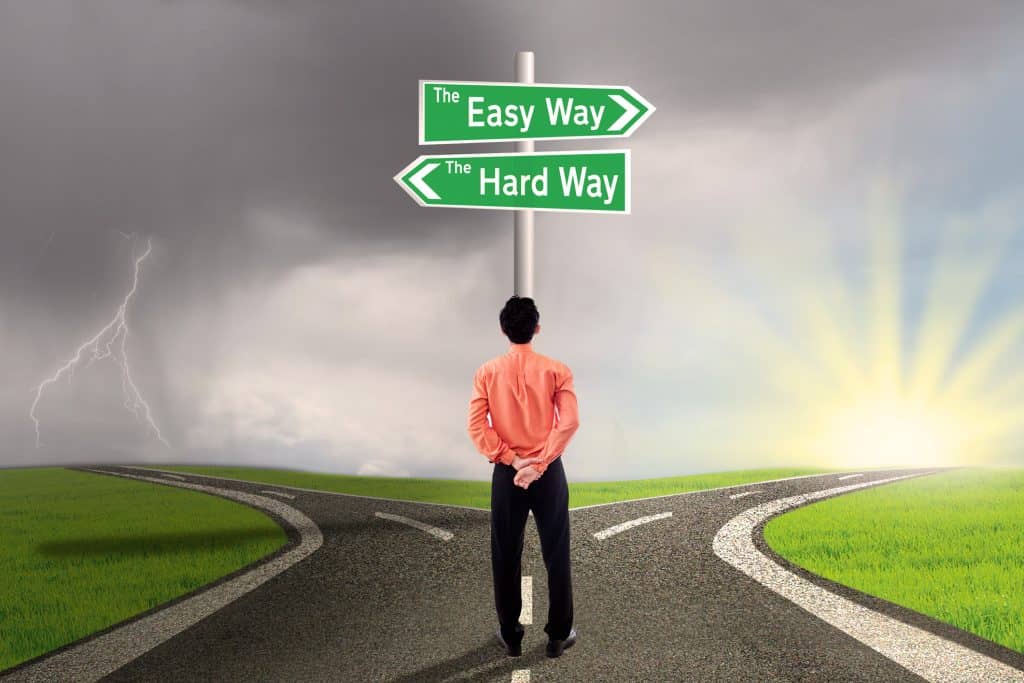
Possible replacements for Safe Work Method Statements

Could improving the situational awareness of workers replace Safe Work Method Statements?
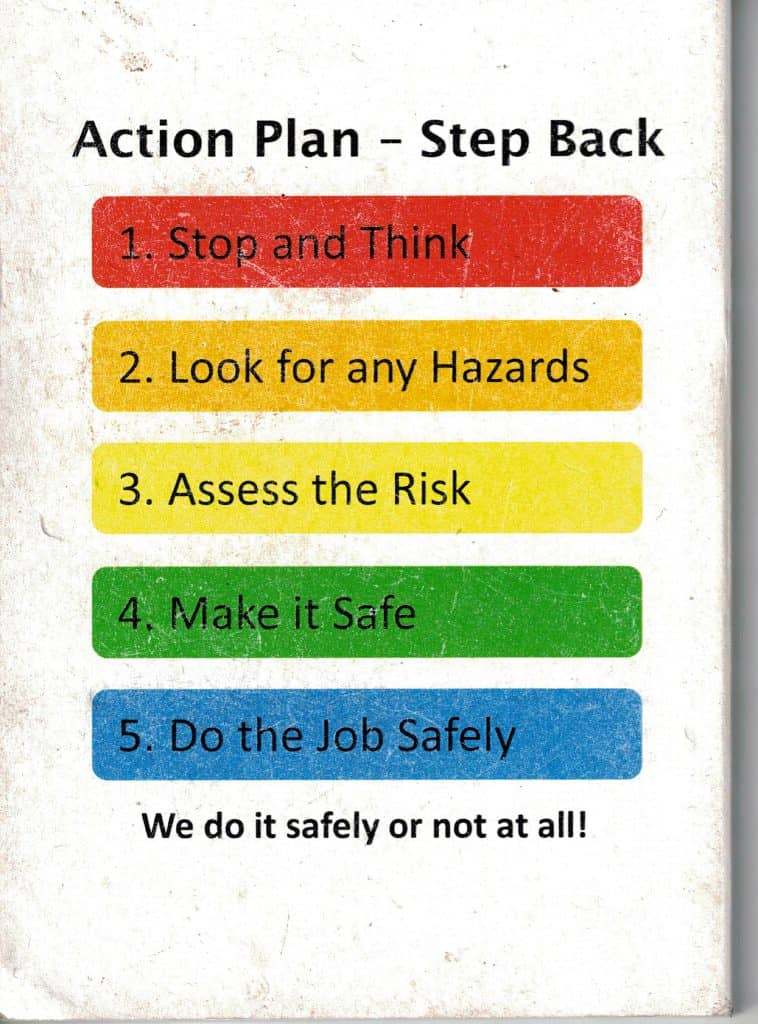
Many Australian occupational health and safety (OHS) professionals rally against the dominance of Safe Work Method Statements (SWMS). The application of SWMS beyond the legislated high-risk construction work parameters increases the amount of safety clutter and misrepresents OHS as being able to be satisfied by a, predominantly, tick-and-flick exercise. But critics of SWMS are rarely pushed on what, if anything, should replace SWMS? SafetyAtWorkBlog asked some experts and looked closer at the issue.

Subscribe to SafetyAtWorkBlog to continue reading.
Subscribe Help
Already a member? Log in here

Inspection data offers COVID19 risk priorities

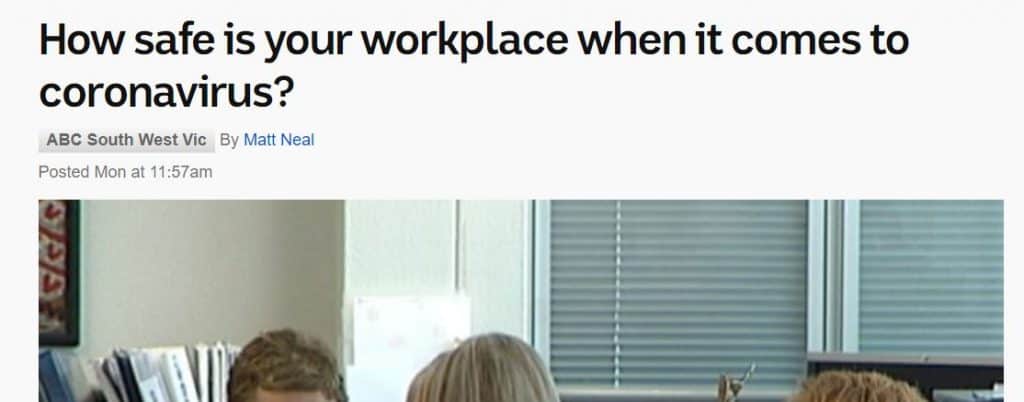
The coronavirus pandemic is an unexpected challenge for many employers and for workers. As this article from the Australian Broadcasting Corporation shows, there is confusion about the rights and duties of both parties at work.

Larry acted under his duty to not put himself at harm by raising his concern to his employer. The employer should have already determined that the workplace is safe and without risks to health and implemented control measures to reduce the risk of cross-infection. Guidance on how to do this has existed for several weeks.

Subscribe to SafetyAtWorkBlog to continue reading.
Subscribe Help
Already a member? Log in here

“So far as is reasonably practicable” is often used by scoundrels

On May 4, 2006, John Della Bosca advised the New South Wales Parliament:

“The Government will clarify that the general duties and obligations under the Act apply so far as is reasonably practicable. Ensuring the health and safety of employees will mean eliminating risks to health and safety so far as is reasonably practicable. Where it is not reasonable to eliminate a risk, employers will be required to reduce the risks to the lowest level reasonably practicable. Practical risk management does not require employers to go to extraordinary, unrealistic lengths, and never has. Rather, it requires the management of risks that are likely to affect health and safety over which the duty holder has a level of control. This is what the Government has always said, and it has always been Government policy. This is what it intends to enshrine in legislation to give greater certainty to both employers and employees.”

Della Bosca paints “so far as is reasonably practicable” (ASFAIRP) as an integral part of eliminating risks to health and Safety, and it is an integral part of OHS laws, but it is also a limitation, a condition and a concession in achieving safe and healthy workplaces and one that is drastically in need of a thorough independent review.

Subscribe to SafetyAtWorkBlog to continue reading.
Subscribe Help
Already a member? Log in here

The challenge of preventing harm beyond just “primary prevention”

Fay Calderone’s article in HRDaily on workplace sexual harassment and her responses to some questions from SafetyAtWorkBlog illustrate several points of difference between the usual Legal/HR approach to the management and prevention of workplace risks and the application of the occupational health and safety (OHS) approach. These points of difference are discussed below.

Leadership discussion, policies and training

The prevention of harm is a core principle of occupational health and safety. OHS professionals strive to eliminate hazards at the earliest opportunity and apply the precautionary principle as often as possible. Prevention is aimed at detecting early indications or precursors of hazards, such as those occurring in a Near Miss.

Subscribe to SafetyAtWorkBlog to continue reading.
Subscribe Help
Already a member? Log in here

OHS, sexual harassment, HR and the pursuit of prevention

HRDaily unlocked an article concerning workplace sexual harassment on March 6 2020. The article was written by lawyer Fay Calderone and SafetyAtWorkBlog sought clarification from her on a number of points.

Some of the issues raised in the original article and Calderone’s responses will be discussed in a secondary article.

Subscribe to SafetyAtWorkBlog to continue reading.
Subscribe Help
Already a member? Log in here

The concept of “Coercive Control” should be applied to workplace violence

“Coercive control” is getting attention in New South Wales in relation to domestic violence but there are similarities to workplace behaviours such as sexual harassment and bullying.

The Chief Psychiatrist of Victoria’s “guideline and practice resource: family violence” says

“Family violence is understood as a pattern of repeated and
coercive control, aiming to control another person’s thoughts, feelings and actions.”

page 5
Subscribe to SafetyAtWorkBlog to continue reading.
Subscribe Help
Already a member? Log in here

The next gig job must be safer and healthier

A man in different kind of occupations. Credit:
bowie15

A lot of focus is currently on casual workers as their jobs disappear due to the responses to the COVID19 coronavirus. Australia has around 2.6 million of them and there are many more workers who may be classified as Part Time but operate on uncertain rosters and are, in reality, as precarious as casual employees. Occupational health and safety (OHS) is struggling to address the hazards presented by modern variations of precarious work, such as gig economy workers, because it, and government economic and employment policy more generally, is structured on the assumption of Full Time Employment (FTE) with work occurring mainly from nine to five, on weekdays with weekends off.

Consideration of precarious worker OHS may seem a lesser priority at the moment as many of us are quarantined or quarantine by choice but at some point, hopefully, within the next twelve months, business will resume. However, that business model and structure is unlikely to be the same. Indeed, it should not be same as the risk profile for all businesses and the community generally has changed. So, let’s have a look at some of the recent thinking about precarious work and the OHS risks so that we can build a better, safer model.

Subscribe to SafetyAtWorkBlog to continue reading.
Subscribe Help
Already a member? Log in here
Concatenate Web Development
© Designed and developed by Concatenate Aust Pty Ltd