Already a member? Log in here
Category: education
Are OHS professionals on the ‘B’ Ark?
In The Restaurant at the End of the Universe Douglas Adams has a character tell a story of a ship of middle managers being sent from a supposedly doomed plant to colonise a new world. The ‘B’ Ark contains millions of
“Hairdressers, tired TV producers, insurance salesmen, personnel officers, security guards, public relations executives, management consultants,….”
I think occupational health and safety (OHS) professionals are lucky they were not included in the list because many people consider OHS professionals to be little more than a nuisance. Continue reading “Are OHS professionals on the ‘B’ Ark?”
Achievement requires safety
LinkedIn and other social media often includes “inspirational” posters and memes. They are eye-catching and often funny but they can also be thin and simple. This simplicity can reinforce thoughts that may work against being safe. The image on the right is an example.
OHS Professionals get, or want, global attention
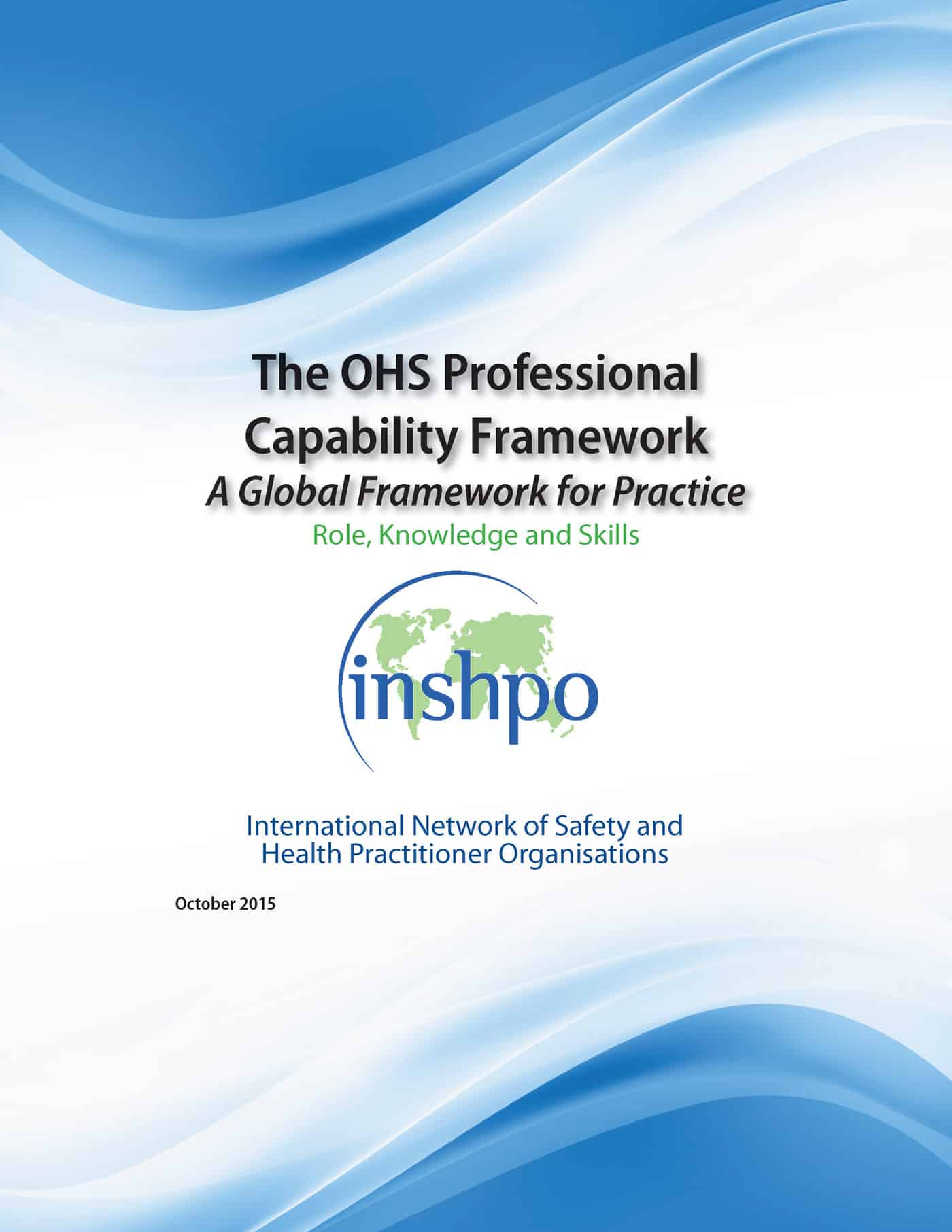
The International Network of Safety & Health Practitioner Organisations (INSHPO) has launched the “The OHS Professional
Capability Framework – A Global Framework for Practice“. The document reflects many of the issues raised in recently published research on occupational health and safety (OHS) professionalism, accreditation and certification. However there are a couple of useful issues to note, from a very brief review, that indicate a major step forward.
Professional, Practitioner, Generalist
Australian OHS professionals have felt insulted over the last few years by the use of the title “OHS Generalist”. The proponents of this concept failed to understand that the term was divisive (and insulting to some) and this failure indicates a persistent problem in communicating change to the OHS profession in a manner that fosters cooperation. The INSHPO document seems to drop the Generalist category so beloved by the Australian OHS Education Accreditation Board. Continue reading “OHS Professionals get, or want, global attention”
“Old” documents improve the context of modern OHS initiatives
Several long and involved phone conversations resulted from last week’s articles on Australia’s Occupational Health and Safety (OHS) Body of Knowledge (BoK) and its role in accreditation of tertiary OHS courses. It is worth looking at the origins of some of the issues behind the research on these safety initiatives.
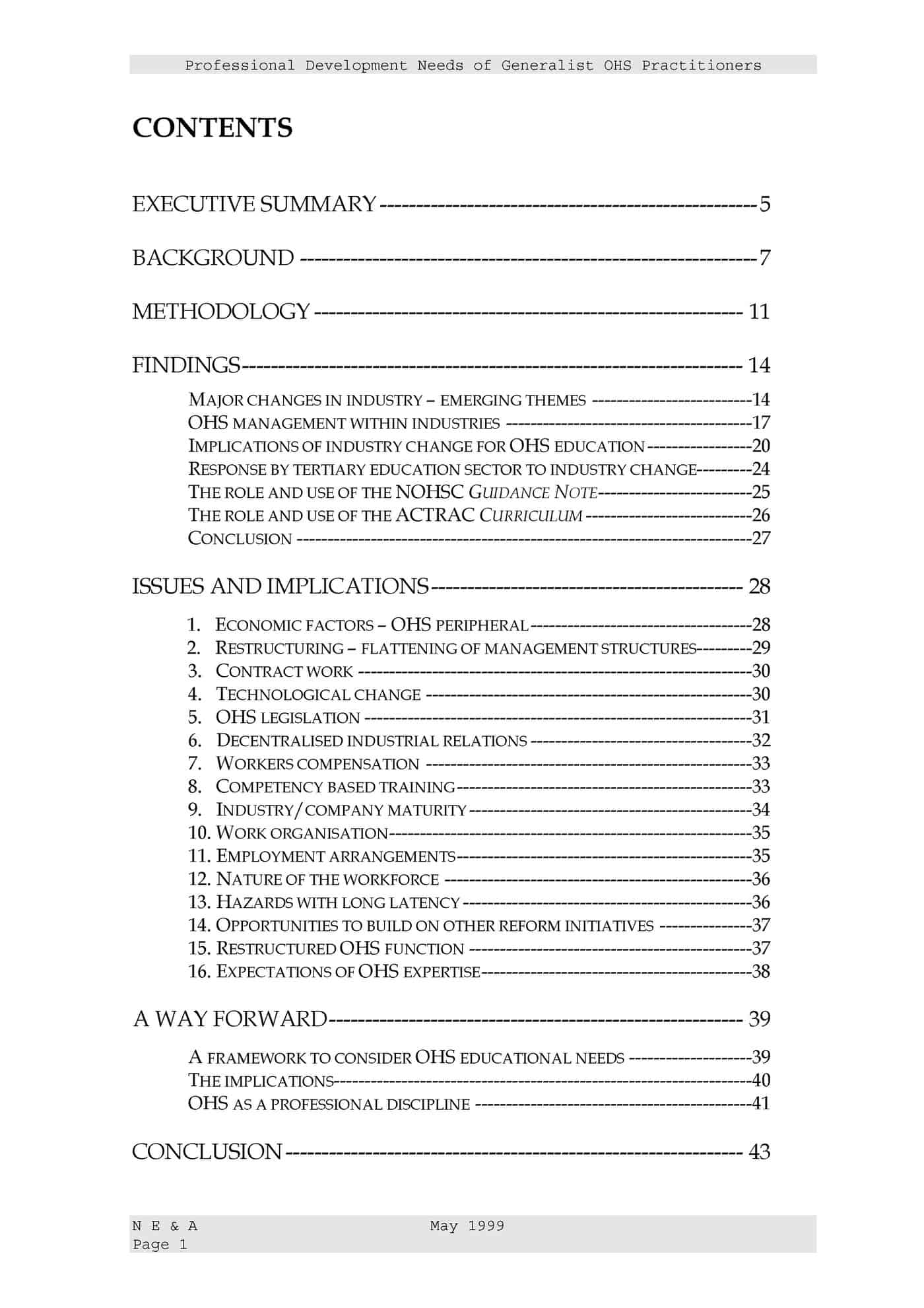
One important document was published by the National OHS Commission (NOHSC, a forerunner of Safe Work Australia) in 1999 – “Professional Development Needs of Generalist OHS Practitioners“* . This NOHSC document continues to be referenced in the continuing debates listed above and illustrates the need to understand our recent OHS past. Continue reading ““Old” documents improve the context of modern OHS initiatives”
Is Australia’s OHS Body of Knowledge a dud?
An online version of Safety Science includes an article by Gunther Paul and Warwick Pearse who discuss “An international benchmark for the Australian OHS Body of Knowledge” (paywalled). Paul and Pearse have been critical of the emphasis given the OHS Body of Knowledge (OHS BoK) in the the accreditation processes of Australian OHS professionals and the accreditation of tertiary OHS courses. In this article they benchmarked the OHS BoK against three other international bodies of knowledge and ranked it the lowest in quality, structure and content.
[This article can be read as a companion piece to
Accreditation research paper misses the mark
The discussion of Australian occupational health and safety (OHS) education and accreditation continues in the academic press. A recent contribution is from Pam Pryor, Registrar of the Australian OHS Education Accreditation Board (AOHSEAB) entitled “Accredited OHS professional education: A step change for OHS capability” (paywalled). Pryor continues to make the case for the necessity of accreditation for university OHS courses but evidence seems to remain thin and an arbitrary differentiation between competence and capability is hard to understand outside of academic discourse. Continue reading “Accreditation research paper misses the mark”