

Workplace psychological health has been dominated by wellness advocates for several decades. Occupational health and safety (OHS) is seen by many as an interloper with “new” regulations that impose rules, expectations, notifications, and records on a corporate wellness sector that has been hugely influential on employers’ perspectives of mental health at work. This interjection by OHS “upstarts” does not stand up to examination. Social determinants of health have included work factors for many years. Richard G Wilkinson wrote about the psychosocial causes of illness in 1997, providing a helpful perspective applicable today.
Category: employers
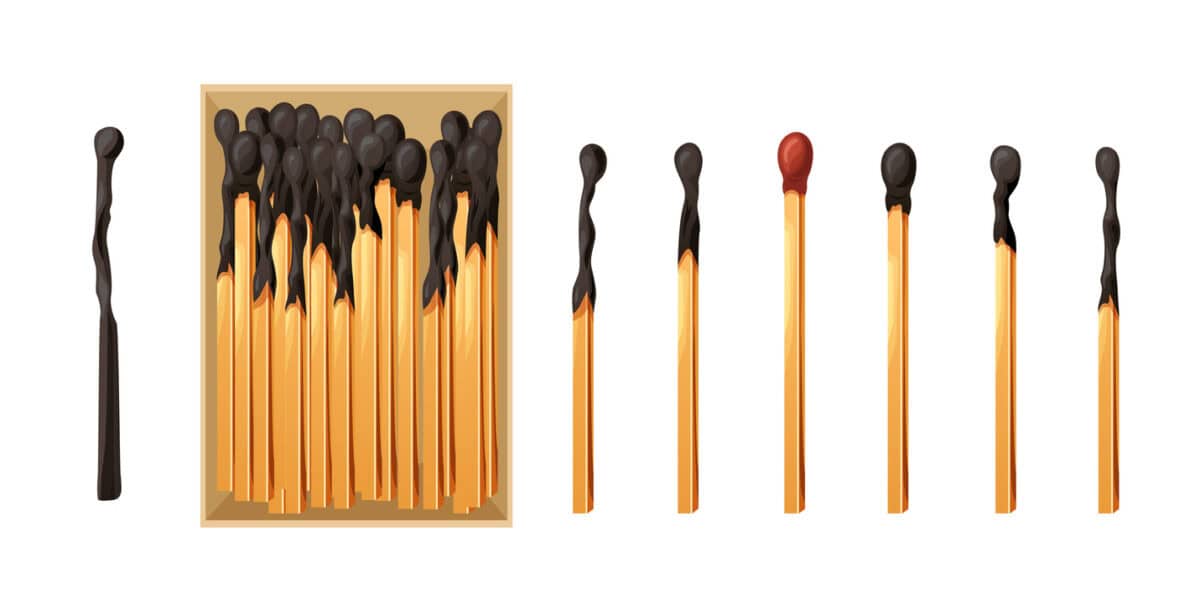
Burnout prevention to receive considerable media attention
Jennifer Moss is a prominent analyst on work-related burnout and mental health. She is one of the few receiving global attention for pointing out that the prevention and control of the burgeoning mental health crisis are best addressed by reassessing and redesigning how organisations are run and workers are managed. Her latest book, due out in a few weeks, will supercharge the debate on managing psychosocial risks and psychological hazards at work.
Continue reading “Burnout prevention to receive considerable media attention”
Mental health, neoliberalism and trade union myopia
The Australia Institute is a progressive (Left-leaning) research institute that recently commemorated its 30th anniversary with a book called “What’s the Big Idea?” Contributors are compatible with the Institute’s ideologies, but some chapters overlap with occupational health and safety (OHS).

Narelle Beer’s OHS article should be the start of a deeper analysis
Recently former WorkSafe Victoria executive, Dr Narelle Beer, penned an article in LinkedIn called “Going to work should not kill you!” The article is a good introduction to occupational health and safety (OHS) but some important points are overlooked or unexplored.

Why workplace Psychosocial Regulations will fail
Australia has learned much from its consideration of psychosocial factors that can generate psychological harm in workers over the last decade. By the end of 2025, all Australian jurisdictions will likely have re-emphasised the psychological elements of employers’ and workers’ occupational health and safety (OHS) duties. However, the legislative changes are likely to fail to improve workers’ mental health because at least one of those psychosocial factors is too confronting and uncomfortable to employers.
OHS breakfast seminar without WorkSafe Victoria
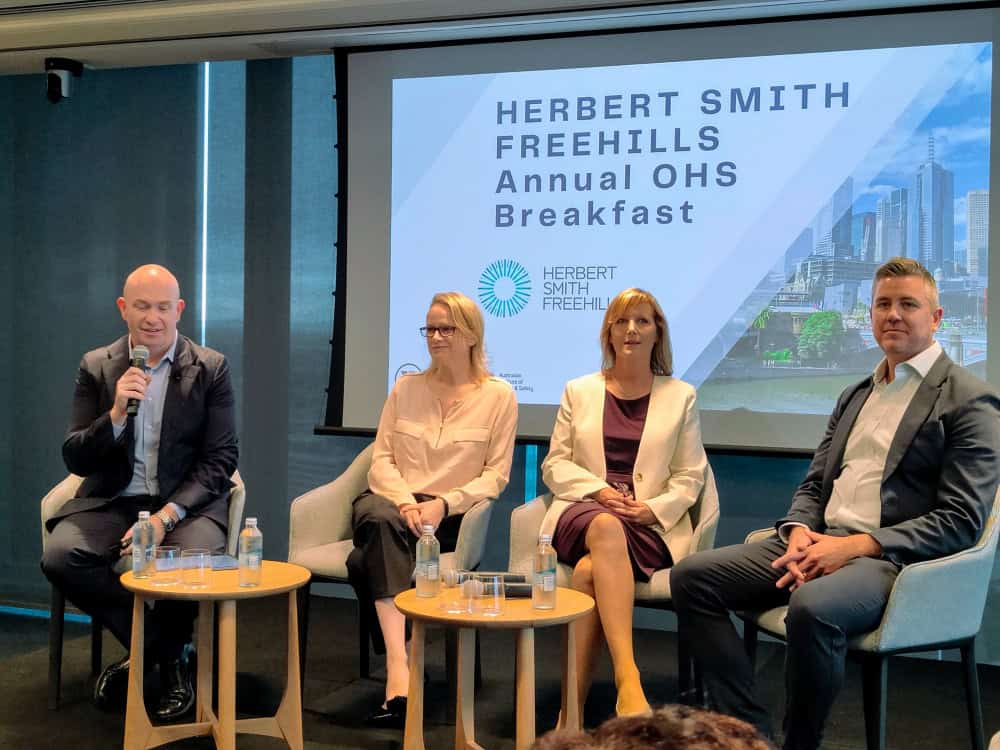
The latest annual occupational health and safety (OHS) breakfast seminar by the Australian Institute of Health and Safety tried a different format with mixed success. These seminars have run almost continuously at the offices of Herbert Smith Freehills for a couple of decades, and perhaps a refresh was required, but there was one noticeable absence – Victoria’s OHS regulator, WorkSafe.
Still insufficient answers to the Delacombe trench deaths
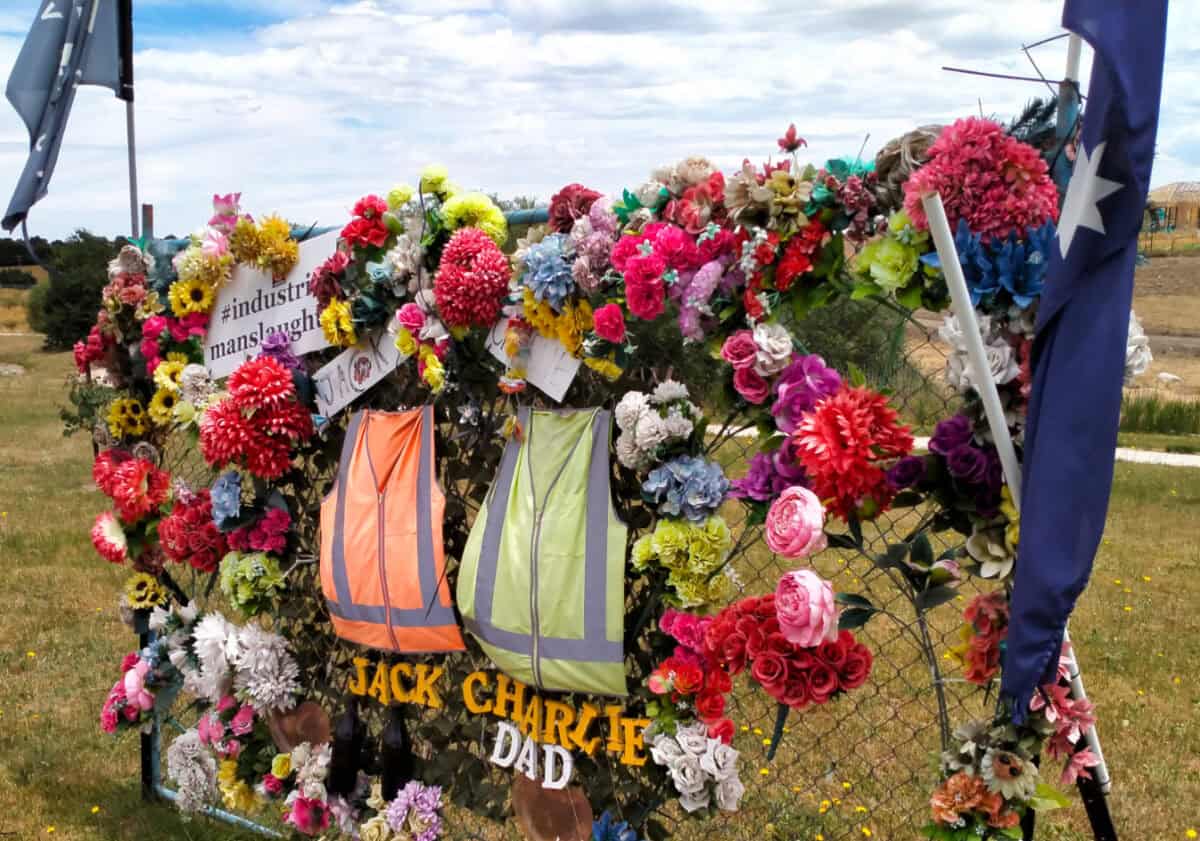
Last week, the Victorian Coroner, Leveasque Peterson, released her findings into the deaths of Charlie Howkins and Jack Brownlee from a trench collapse on a residential construction site in Delacombe in March 2018. The employer, Pipecon, pleaded guilty to occupational health and safety (OHS) law breaches and was successfully prosecuted by WorkSafe Victoria. But the guilty plea meant there was only a cursory investigation of the OHS elements of the incident.
This month’s coronial findings have come without the opportunities offered by a formal inquest. So, where are the answers? What management decisions caused the trench to collapse and lead to the deaths of Jack and Charlie? The available answers seem insufficient. What lessons can be drawn from these legal processes to stop similar incidents occurring elsewhere?