

This year, the International Labour Organisation (ILO) has released excellent information on psychosocial hazards at work to support the World Day for Safety and Health at Work. (Australian researchers seem to have been instrumental in the report) I read the report, looking for more upstream concerns, such as political and socioeconomic factors that lead employers to create or allow work overload, the most significant contributor to work-related stress. This is what I found.
Category: employment

Solving Psychosocial Harm at Work: The Upcoming Global IAWBH Conference in Canberra
Workplace bullying, harassment and other psychosocial risks are no longer fringe issues – they are central to how we think about safety, fairness and dignity at work. One forum that has been shaping this conversation for more than two decades is the International Association on Workplace Bullying and Harassment (IAWBH) and its much‑anticipated biannual conference. This year’s event brings researchers, regulators and practitioners together in Canberra to tackle some of the most difficult problems in working life, with a strong emphasis on practical solutions, especially pertaining to sexual harassment and gender-based violence.
Professor Carlo Caponecchia, who is presenting at the conference, made some time for a couple of questions.
Continue reading “Solving Psychosocial Harm at Work: The Upcoming Global IAWBH Conference in Canberra”
Why Blood Tests Won’t Fix Burnout in Roles Designed to Harm
The most effective way to prevent psychological harm at work is to redesign work and its systems, especially the workload. What is often overlooked is the need to redesign the workload of and the expectations we have for senior executives. The Australian Financial Review published an article on this issue, drawing on the personal experience of marketing executive, Roni Millard.

When Values Become Weapons in Politics and Workplaces
I don’t believe that all occupational health and safety (OHS) principles, risk assessment tools, or values are relevant to the non-work culture, but there is sufficient overlap for OHS to offer a framework for hazard identification, incident investigation, and potential risk control options. The current political debate in Australia about “Australian values” and immigration offers an illustration of this overlap; an overlap and debate that is being echoed in the United Kingdom.
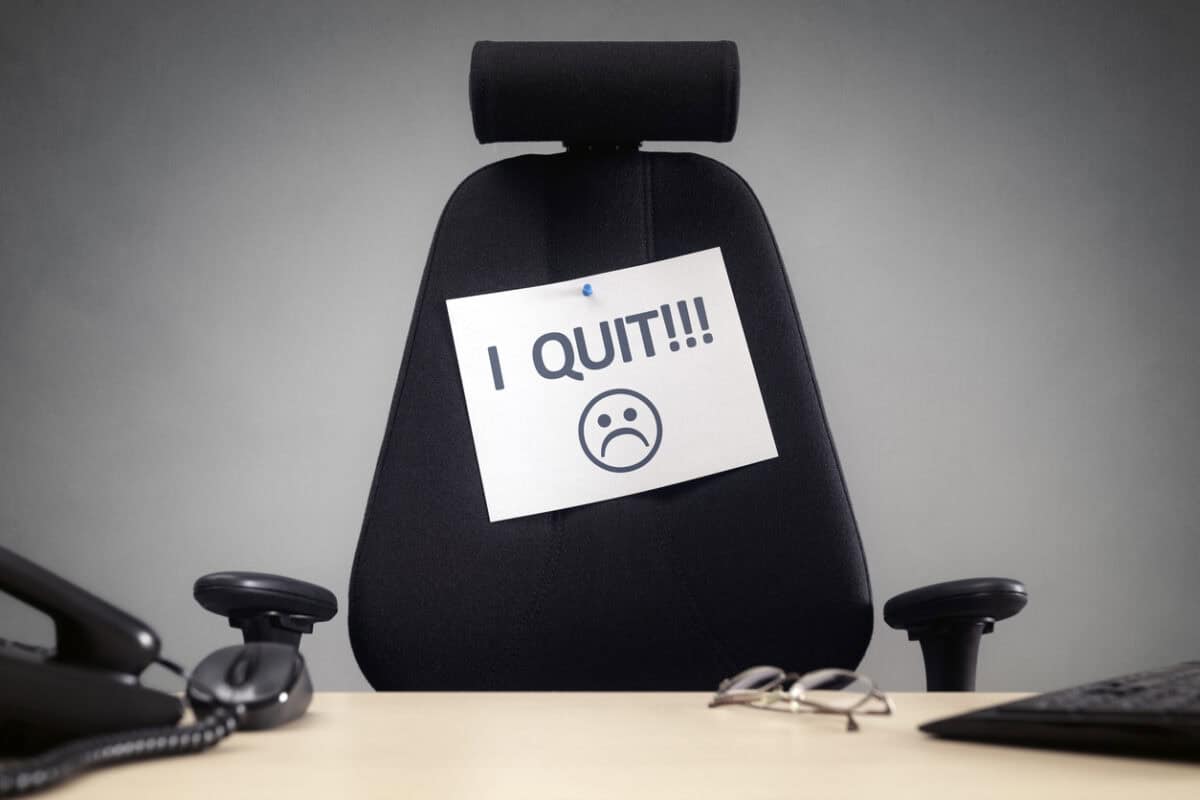
Australian Advice for Eliminating Psychological Harm at Work
It still surprises me that treating work‑related mental harm as something prevented through job design, rather than as a personal failing, is seen as a revelation. Humans are infinitely variable, if not from genetics, then from our socialisation. Humans may still be considered as little more than interchangeable parts in a production process, but only if one denies their humanity.
[Editor’s Note: This article uses blunt language to describe a reality many workers experience but struggle to name. It does not encourage impulsive resignations or dismiss the importance of organisational duty under OHS law. Rather, it recognises that when employers refuse to address psychosocial hazards, workers may be forced to prioritise their own health. Leaving a job should never be the first control considered—but for some, it becomes the only effective one available.]

Dr Kat Page’s Good Work Book Is A Blueprint for Preventing Harm
LinkedIn is an enormously inhumane software, but it does have some positive uses. One of them is being invited to meet people who might find you interesting or admire your work. Earlier this year, I jumped at the chance to have coffee with Dr Kat Page, who lived only a few suburbs away, as an exercise in mutual admiration. Last week, Page released her book called “Good Work: Transform Your Work from the Inside Out“. Finally, a book by an organisational psychologist on redesigning work, aimed at preventing harm.

Rethinking Workers Compensation for Self-Employed Australians
My small- and micro-business clients have often asked whether they are covered by workers’ compensation insurance even if they do not pay a workers’ compensation premium. The easy answer is, it depends, which is very unhelpful. But there are some answers, sort of, in a way.
At this point, I remind readers that I am not a lawyer and have very little experience in workers’ compensation. The information below is for consideration only.