
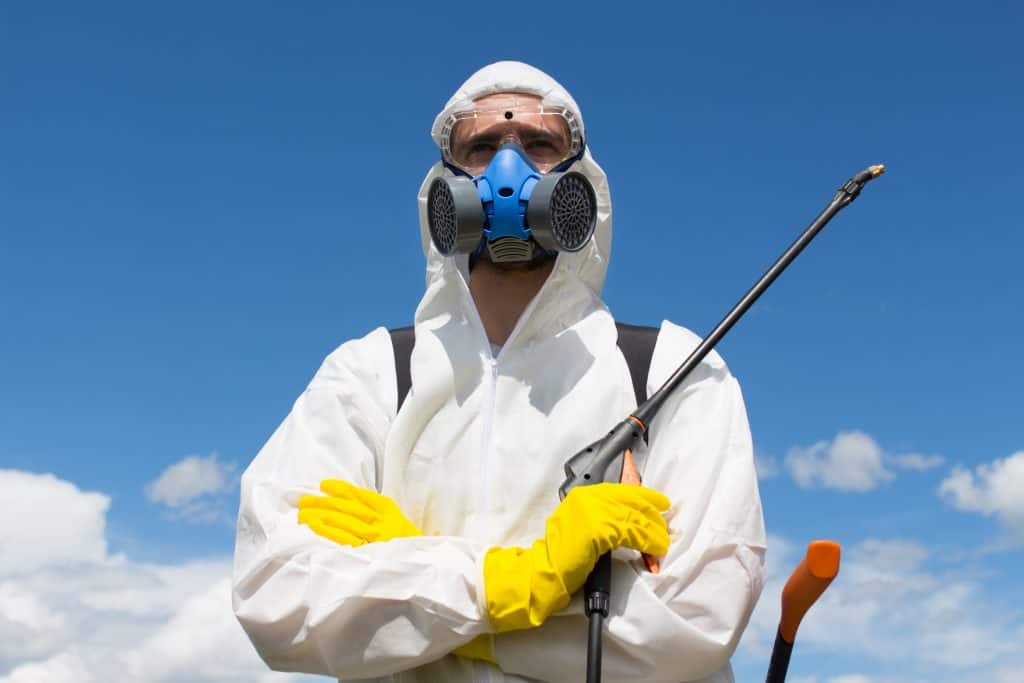
Discussions about the work-related risks of glyphosate exposure have calmed down until the next court case but it is useful to remember that there have been battles in the past about exposure to agricultural chemicals. Questions in the Western Australian Parliament on 13 June 2019, illustrate the situation in relation to one chemical – 2, 4, 5-T (2,4,5-Trichlorophenoxyacetic acid), a component of the wartime defoliant, Agent Orange.

 Rumours of a TV report on the increasing hazards of silicosis have floated around for a week or so. On October 10 2018, the show appeared on the Australian Broadcasting Corporation’s
 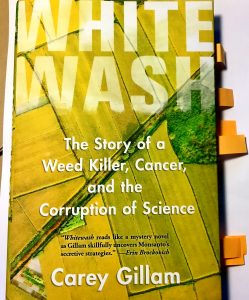 Occupational health and safety (OHS) related decisions are made on the state of knowledge about hazards and it is up to OHS people to make sure the state of knowledge is at its best so that the best decisions can be made. But what do you do if the state of knowledge on a hazard seems to be made purposely uncertain and that uncertainty is leading to the status quo, which also happens to provide a huge income for the owner of the product creating the hazard.
 Victoria’s Premier