
Based on mainstream media reports of the working-from-home (WFH) debate in Victoria over the last few weeks, Victorian politics has fractured over the proposal to give most employees a right to work from home two days a week. The politics of the WFH initiative came to the fore, even if occupational health and safety (OHS) didn’t.
Category: ergonomics
Businesses Want Maximum Productivity, But Will Workers Get a Maximum Temperature?
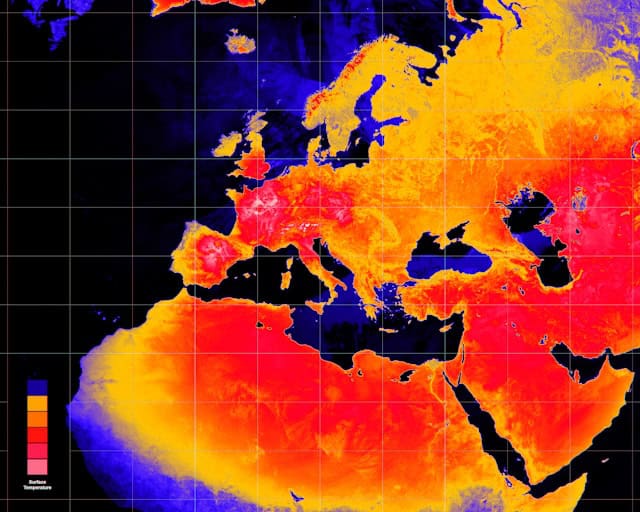
In the Northern Hemisphere, workers are again facing dangerous summer heat. In a few months, it will be the Southern Hemisphere’s turn. Climate extremes are producing droughts, wildfires, and crop failures. It’s not the end of the world, but it’s becoming easier to see how the world ends, and how work and business will be affected. As with most catastrophes, occupational health and safety (OHS) sits quietly in the background. It needs to step forward because it has tools that can help.
AFL, CTE and SFAIRP: When “the rough and tumble” becomes a foreseeable harm
The death of 23‑year‑old footballer Nick Lowden should force the Australian Football League (AFL) and every sporting body that claims to care about player welfare to confront the fact that the risks of brain injury in Australian football are no longer mysterious, emerging, or debatable. They are foreseeable, documented, and cumulative. And once a risk is foreseeable, the occupational health and safety (OHS) duty to eliminate or minimise it so far as is reasonably practicable (SFAIRP) applies.
A Four Corners investigation to be broadcast on June 29, 2026, examines Lowden’s death. (This article is based on some preliminary reporting on the issue by the Australian Broadcasting Corporation)

The Work‑From‑Home Debate Needs Less Theatre and More OHS
A recent radio forum on working from home reinforced the political motivation behind promoting it as a legal right and also highlighted the knowledge gaps we have about it. Occupational health and safety (OHS) was mentioned in the discussion, but its core significance was again downplayed.
Stretching Programs Miss the Mark on Injury Prevention
A recent edition of the Professional Safety Journal from the United States included a cover story about pre-work stretching. This common activity on some construction and manufacturing sites is promoted as a means of preventing injury or reducing the severity of, especially, musculoskeletal injuries, but I don’t think there ever was evidence to support either of these intentions, and there still isn’t.
Old news is new news
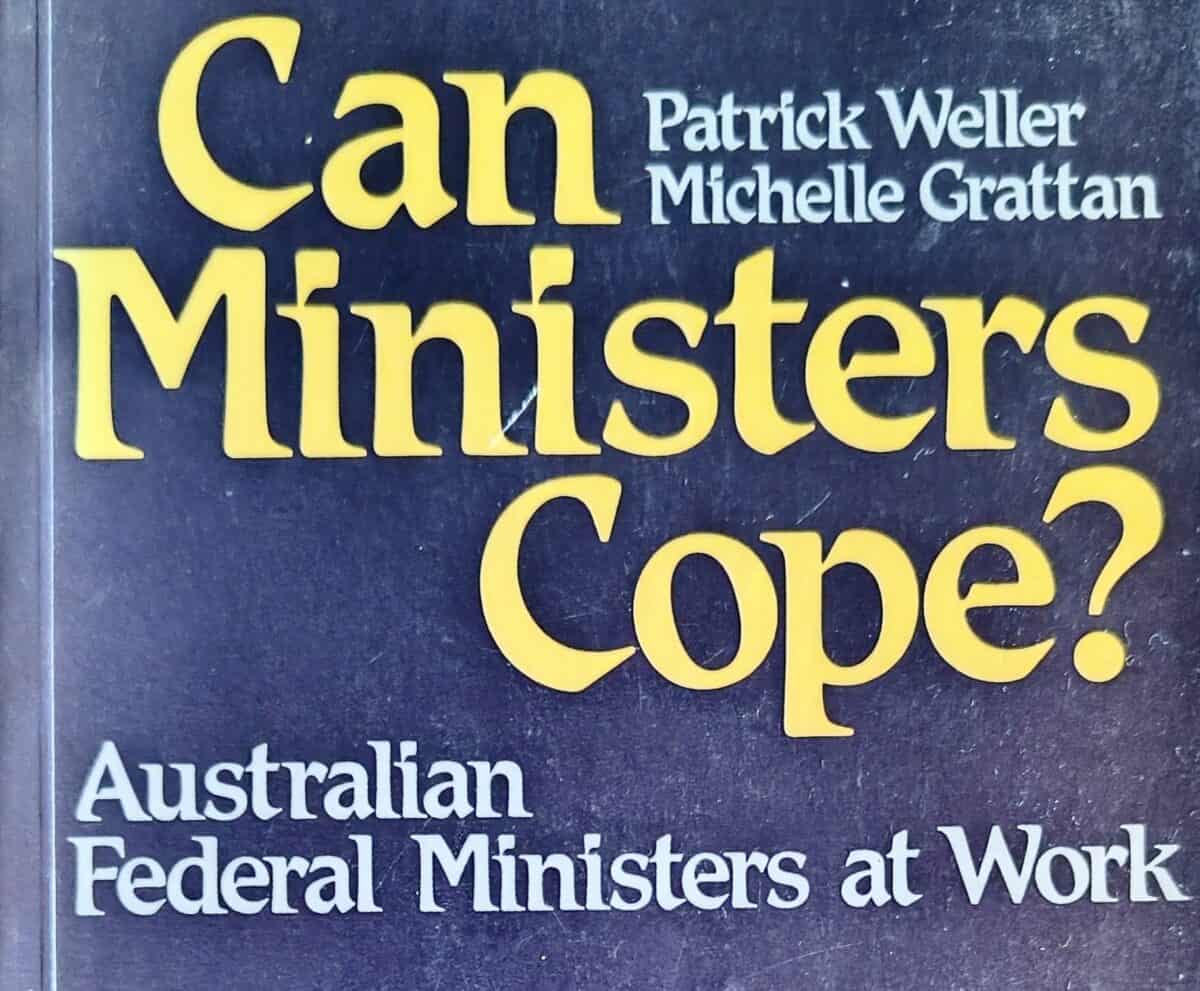
Recently, parliamentary workplaces in the United Kingdom and Australia have had scandals about inappropriate behaviour – COVID-era parties and sexual harassment and assault, respectively. Official inquiries have repeatedly identified that Ministers and parliamentarians are overwhelmed with paperwork and expectations of being contactable 24/7. These do not excuse poor, unsuitable or criminal behaviour, but they are part of poor work design and contribute to poor psychological health and can be improved. But overwork in parliament is not a new phenomenon.
Incident investigation and the triaging of workers’ compensation claims
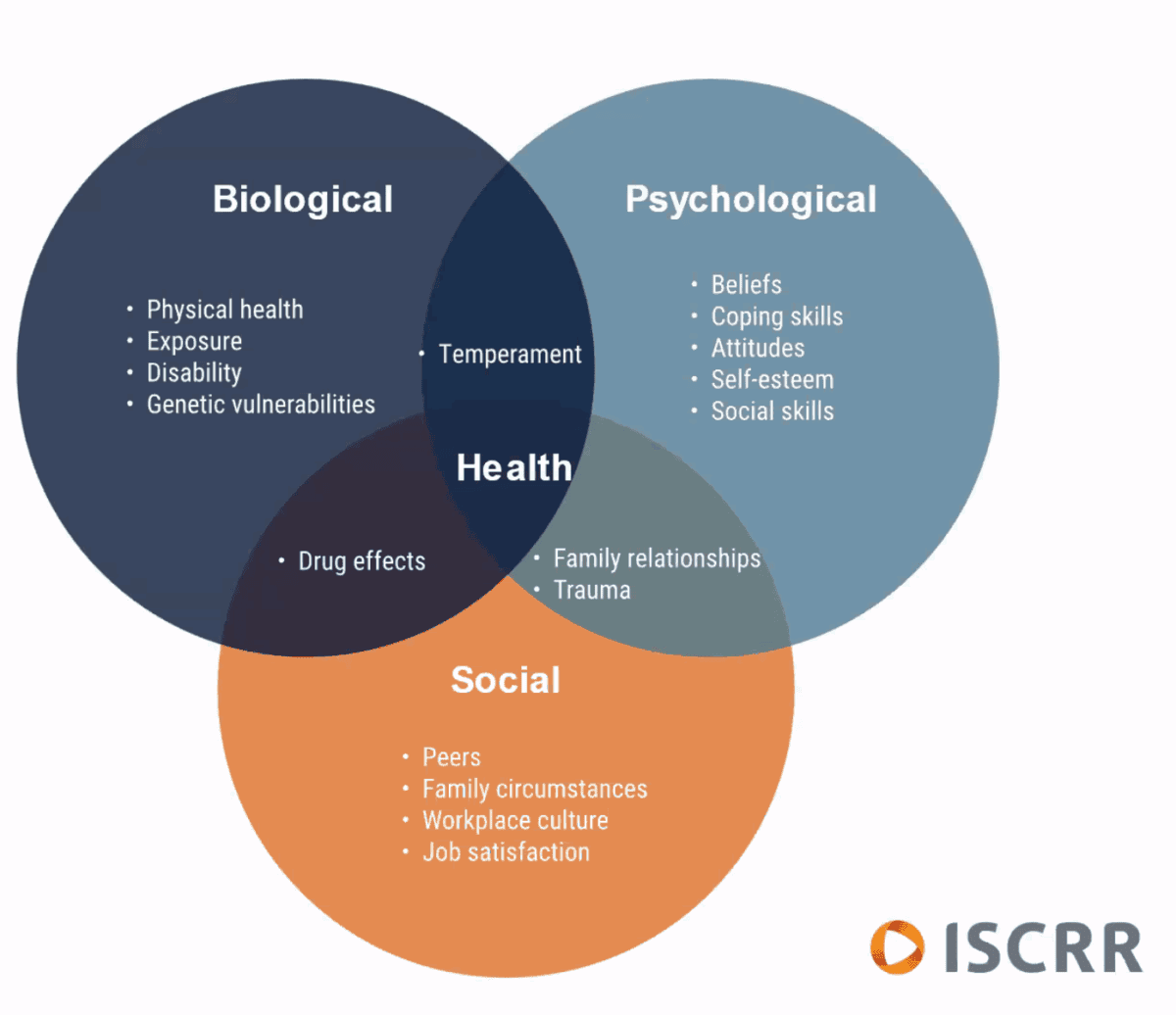
Earlier this week, the Institute for Safety Compensation and Recovery Research (ISCRR) conducted a seminar called “Using Biopsychosocial Risk Profiling to Inform Claim Triage“. Workers’ compensation claims are not a focus for this blog, but attending events peripheral to one’s own discipline sometimes enlightens. There were a couple of moments when the occupational health and safety (OHS) approach came up in discussion.