

In December 2021, five children died, and others were injured when an inflatable jumping castle lifted into the air after a strong gust of wind. WorkSafe Tasmania continues to investigate the incident, as is the Tasmanian Coroner. Recently the Coroner postponed the inquest because WorkSafe would not provide documents essential to the process, prolonging the grief of the families and the local community who want, and need, answers.
Category: evidence

Engineered stone and deadly silica risks seem here to stay
So Australia did not ban the importation of engineered stone. The Heads of Workplace Safety Authorities (HWSA) have issued a Communique and a joint media release outlining their decision. It’s a political slap in the face to the trade unions who went hard on the ban.
Many organisations supported the call to ban the importation and use of engineered stone due to the unacceptable risk associated with cutting the product. Many were strident in need for the ban. Even the Federal Minister for Workplace Relations, Tony Burke, was talking tough on the morning of the critical meeting of the Heads of Workplace Safety Authorities. So what went wrong?
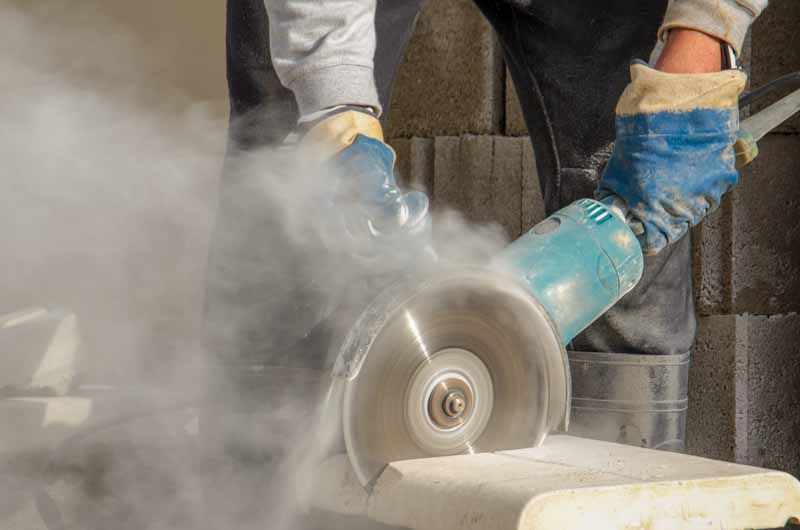
Silicosis campaign is about safety but is also about politics
The calls for banning engineered stone‘s importation are curious and likely to be acted on later this week.
Politicians, unions and some OHS associations have undertaken a risk assessment and determined that elimination is the most effective harm prevention strategy. Previous risk assessments of silicosis have been reported on in this blog for some time without banning the material. The risks have not changed even with increased inspection and enforcement. So what has changed? Politics.

Research shows good ROI for OHS
According to the abstract of a recent piece of research from Canada:
“Financial benefits combined estimates of the tangible financial benefits arising from averted disabling work-related injury and illness and intangible financial benefits associated with improved employee retention and morale, improved production quality and strengthened corporate reputation. Applying these plausible assumptions, the average return on OHS expenditures was 1.24 for 289 manufacturing employers, 2.14 for 56 transportation employers and 1.34 for 88 construction employers.”
One can froth up about the Return on Investment (ROI) figures, which are notable, but of interest was the mix of tangible and intangible factors in the equation.
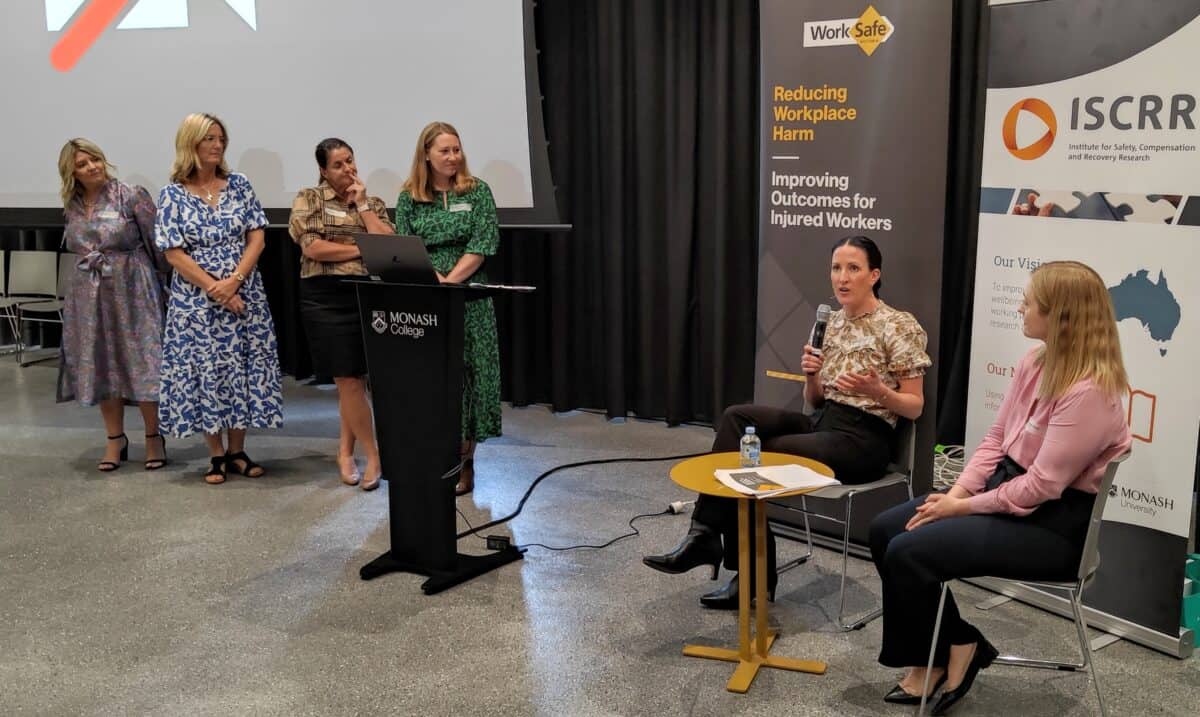
The next stage of OHS analysis?
“One of our key roles as the regulator is to understand why workplace injuries happen” –
Dr Natassia Goode. Worksafe Victoria, February 9, 2023.
Dr Goode made this statement at a research seminar for the Institute for Safety, Compensation and Recovery Research. She went on to explain those “widely acknowledged” causes in an expansive discussion about “systems thinking“.
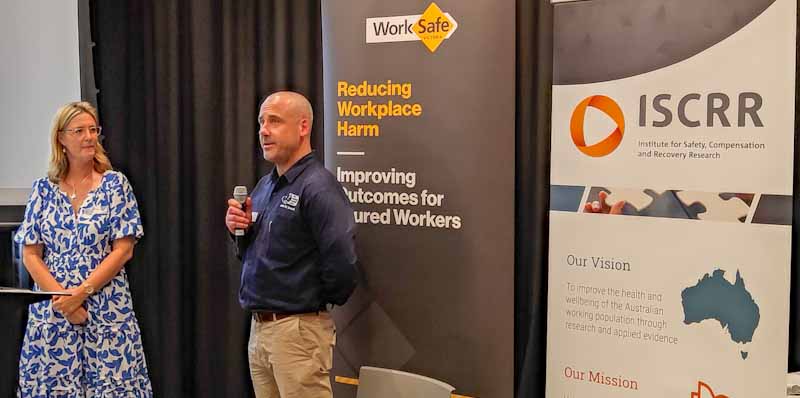
Research indicates OHS strategies
Last week, the Institute for Safety, Compensation and Recovery Research (ISCRR) conducted presentations of its latest research programs. Those projects included:
- Vicarious Trauma
- Evaluating Pilot Programs
- Bitumen Fume Exposure
- Systems Thinking
![Industrial Manslaughter laws are spreading in Australia but are inconsistent [Open Access]](https://safetyatworkblog.com/wp-content/uploads/2023/02/cover-of-journal_of_work_vol1_no1_edited.jpg)
Industrial Manslaughter laws are spreading in Australia but are inconsistent [Open Access]
This year the South Australian Parliament will likely pass that State’s Industrial Manslaughter (IM) legislation as the introduction of these laws was an election commitment of the new Labor government. The consultation period on the draft Bill closes on February 10 2023 after being open for just over two months.
New South Wales may follow if the Labor Party wins the March 2023 election
Industrial Manslaughter laws under the broader occupational health and safety (OHS) continue to be contentious as a new research paper by Professor Richard Johnstone shows. However, the introduction of IM laws will forever be a political act at its core.
Continue reading “Industrial Manslaughter laws are spreading in Australia but are inconsistent [Open Access]”