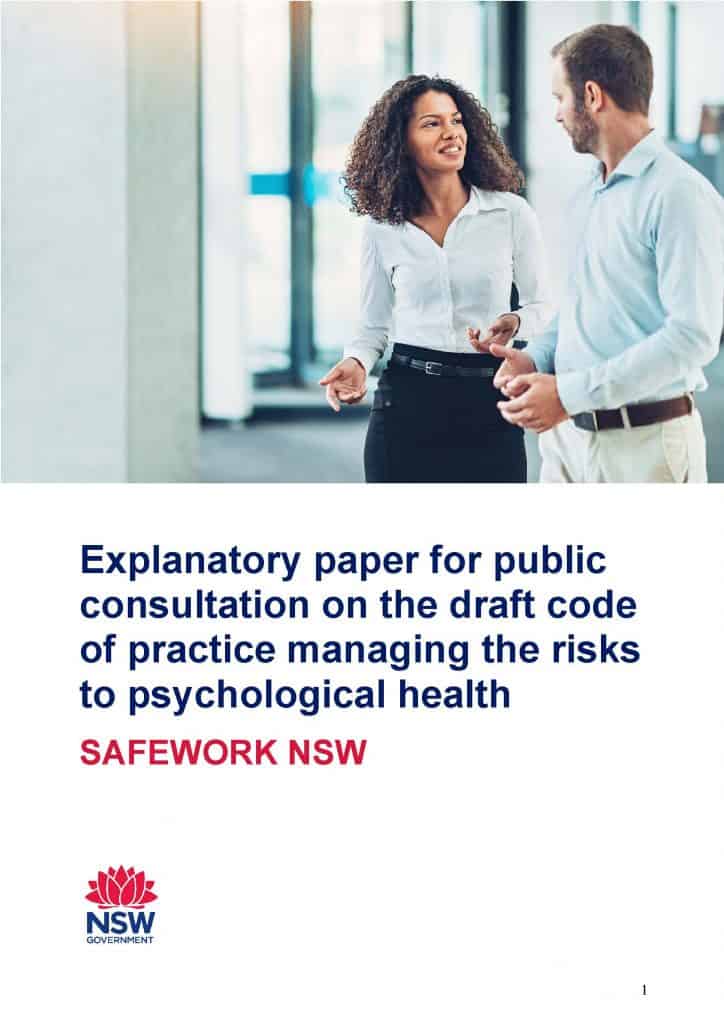
Work-related mental health remains contentious

This article is about SafeWorkNSW’s recently released Draft Code of Practice for Managing the Risks to Psychological Health, but it is not going to focus on the Code.  Instead the focus will be on the supplementary Explanatory Paper because this presents the rationale for the Code’s contents and, in many ways, is a more useful tool for occupational health and safety (OHS) discussions. However, just as the Code has structural and legislative limitations as part of its Purpose, the Explanatory Paper is a support document for submissions on the Draft Code and therefore has its own limitations.


Subscribe to SafetyAtWorkBlog to continue reading.
Subscribe Help
Already a member? Log in here

Analysis of business impacts of COVID19

The Australian Industry Group recently released the results of a survey of its members about how COVID19 has affected their businesses. Understandably, the financial future of the businesses is the major concern but occupational health and safety (OHS) has been part of the business responses.

OHS was part of the initial scrabble to cope with the localised effects of a global pandemic. The report says

“Increased workloads due to new OH&S and healthcare procedures were still being reported by 6% of businesses in August, down from a high of 25% in the first stages of the pandemic in March. In Victoria, 10% of businesses reported concerns about the increase in this type of workload in August, compared with 2% in New South Wales and no businesses in Queensland.”

page 8
Subscribe to SafetyAtWorkBlog to continue reading.
Subscribe Help
Already a member? Log in here

WFH strategies and evidence

Last week’s article on the occupational health and safety (OHS) risks of Working From Home (WFH) reminded me of a report from late 2019 that I always meant to write about but forgot. In November 2019 the International Labour Organisation (ILO) released a report called Telework in the 21st century: An evolutionary perspective. It ‘s a collection of articles on teleworking from around the world and, although it is pre-COVID19, it remains fairly contemporary on telework and WFH practices and risks.

Subscribe to SafetyAtWorkBlog to continue reading.
Subscribe Help
Already a member? Log in here

WFH. What-Ifs. WTF?

On September 12 2020, The Australian’s workplace relations journalist Ewin Hannan wrote about working from home (WFH), a reasonable topic as many Australians have been asked to do this, often at the request of the State Government, in order to reduce and control the spread of the COVID-19 coronavirus. The structure of the article centred on the additional costs and risks to employers from having workers work from home, especially in relation to potential injuries and workers’ compensation. This perspective on occupational health and safety (OHS) is seriously skewed, but it reflects the dominant perspective in the media and the community. A little bit more research would have provided a more accurate picture about Working From Home.

Subscribe to SafetyAtWorkBlog to continue reading.
Subscribe Help
Already a member? Log in here

…. but quad bikes remain unsafe

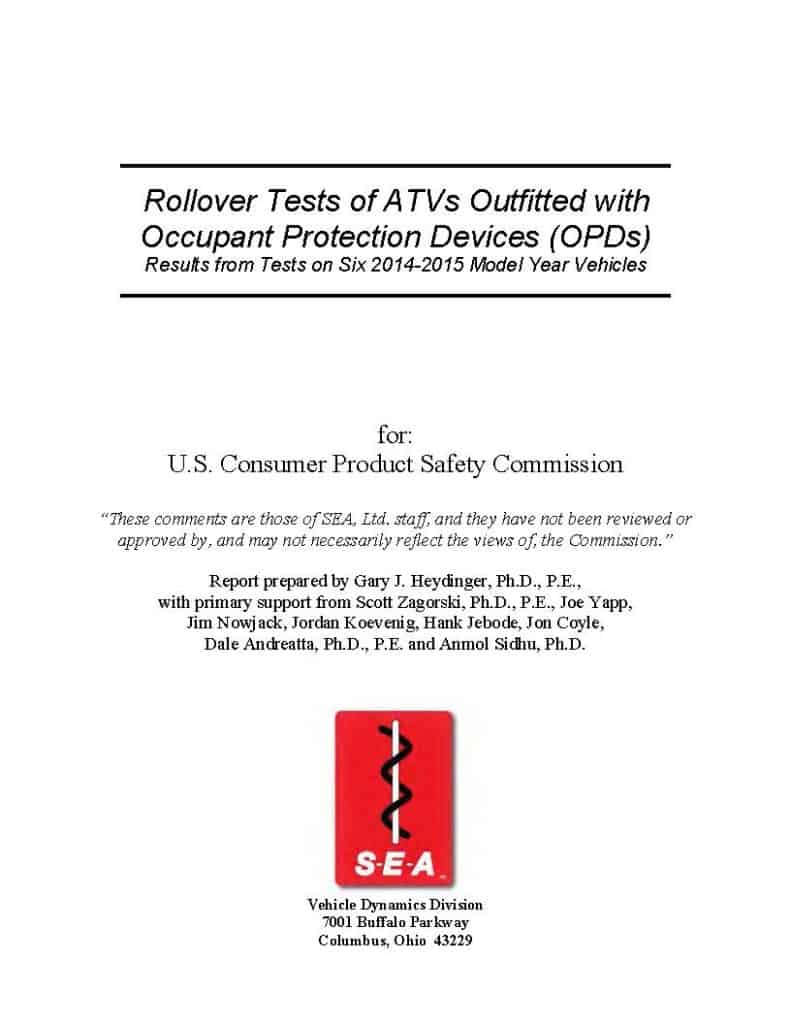
Most of the frustration of the manufacturers of quad bikes is aimed at the Australian Competition and Consumer Commission (ACCC) for imposing new safety requirements. However, another independent assessment of the evidence and the Australian controversy recently released its findings.

Subscribe to SafetyAtWorkBlog to continue reading.
Subscribe Help
Already a member? Log in here

Farmers want quad bikes…….

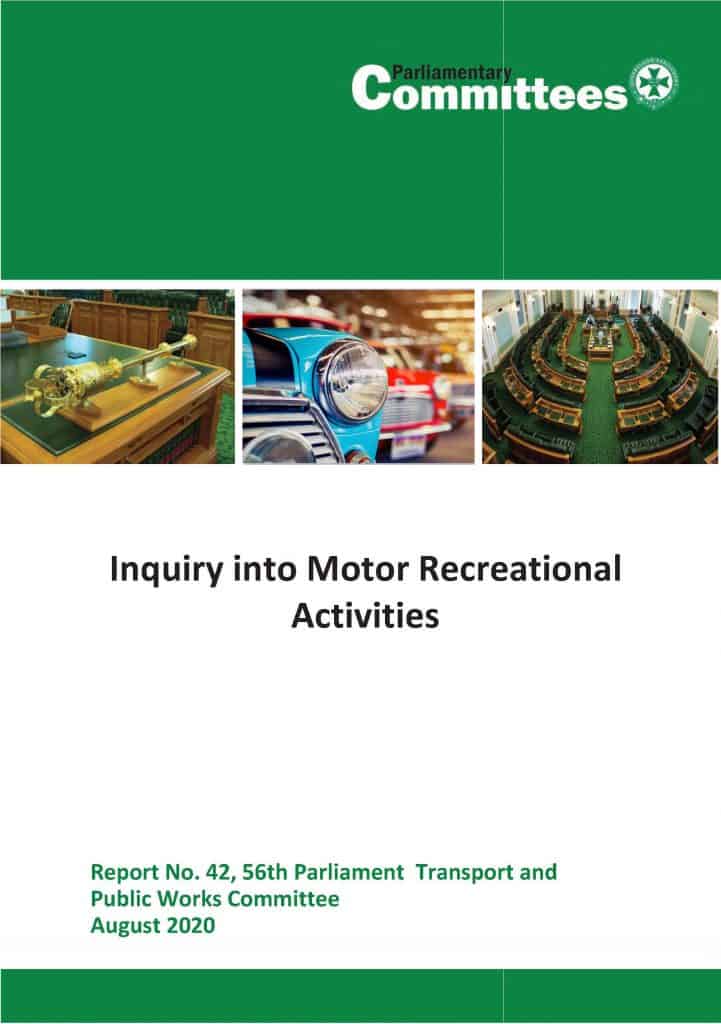
The debate over the safety of quad bikes on farms continues but it is increasingly one-sided. The Australian Competition and Consumer Commission (ACCC) and workplace safety advocates continue to hold the line on the need to install operator protection devices (OPDs) to all quad bikes being sold in Australia. Farmers, often supported by commercial interests, want to keep their quad bikes and as they are, because there are no alternative vehicles that are as versatile as the quad bike.

On July 4 2020, the Western Magazine quoted the CEO of the Federated Chamber of Automotive Industries‘ (FCAI) Tony Weber:

“Evidence suggests in some circumstances CPDs do prevent injuries, other times they create more injuries and that’s not a satisfactory outcome we should address the fundamental problem and that is the way in which humans behave around this machine…”

This quote neatly summarises the points of argument in the safety debate which have been reported on extensively in this blog previously – evidence, most benefit, design, use….

Subscribe to SafetyAtWorkBlog to continue reading.
Subscribe Help
Already a member? Log in here

Sexual misconduct research – Interview with Professor Marie Bismark

A lot of recent attention has been given to incidents of sexual harassment in Australian legal and finance corporations, in particular, and how these are being (mis)managed. COVID19 has thrown a big focus on the working conditions of health care workers. Last month, Australian research on sexual misconduct was released that is, essentially, a Venn diagram of the issues of sexual harassment and misconduct with health practitioners.

The lead author of the study, Associate Professor Marie Bismark, professor of Public Law at the Melbourne School of Population and Global Health, spoke exclusively with SafetyAtWorkBlog about the research findings.

Subscribe to SafetyAtWorkBlog to continue reading.
Subscribe Help
Already a member? Log in here
Concatenate Web Development
© Designed and developed by Concatenate Aust Pty Ltd