Deaths of Health Care workers from COVID19

A doctor in a protective suit taking a nasal swab from a person to test for possible coronavirus infection

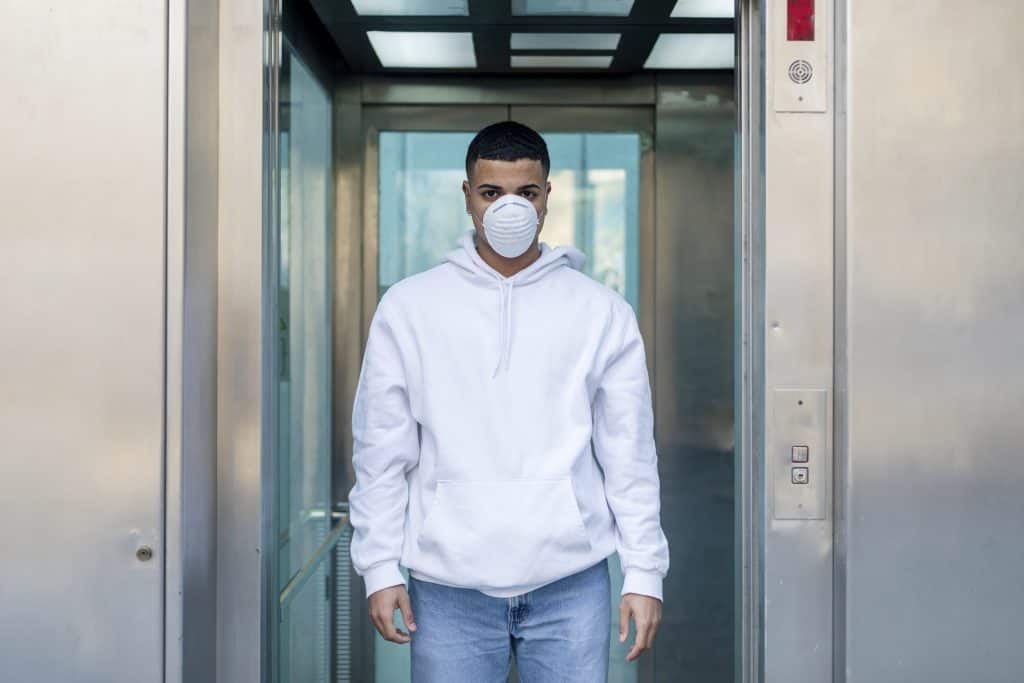
The theme for most commemorations on April 28 is the COVID19 pandemic. This is understandable as the pandemic has disrupted lives and economies globally and many people have died. Perhaps the most tragic of these deaths are those of medical and healthcare staff who have contracted the infection through their work. The largest public outrage over this situation has been in the United Kingdom, but a similar situation could easily have occurred in Australia, New Zealand and elsewhere if those governments had not acted as quickly as they did or were less better prepared.

Some research has already commenced on healthcare worker infection deaths showing important initial clues on how governments, hospitals and medical employers can do better.

Subscribe to SafetyAtWorkBlog to continue reading.
Subscribe Help
Already a member? Log in here

Reasonably Practicable for the real world

The best public document on determining what is reasonably practicable under occupational health and safety (OHS) law remains this one from WorkSafe Victoria but, importantly, it is also unhelpful. The unhelpfulness is there in the title:

“How WorkSafe applies the law in relation to Reasonably Practicable”

What is needed more is a document about how an employer is expected to apply reasonably practicable to their workplace rather than how the law is interpreted. The focus should be on achieving a safe and healthy workplace but the discussion of Reasonably Practicable is almost always reactive and reflective with little advice on how to use this concept in Consultation to satisfy the positive (some still say “absolute”) duty of care. Below is a brief attempt at clarification.

Subscribe to SafetyAtWorkBlog to continue reading.
Subscribe Help
Already a member? Log in here

Jail or Ruin? Is deterrence still effective?

This week Dr Rebecca Michalak wrote that penalties for breaches of occupational health and safety (OHS) laws need to be personal for people to understand the potentially fatal consequences at the work site or decisions that are made in the comfort of the boardroom. In this sentiment she echoes the aims of many who have been advocating for Industrial Manslaughter laws and also touches on the role of deterrence. But when people talk about Jail, are they really meaning Ruin? And do these options really improve workplace health and safety?

Subscribe to SafetyAtWorkBlog to continue reading.
Subscribe Help
Already a member? Log in here

COVID19 disruption may be unprecedented but was it foreseeable? You bet

Almost twenty years ago, there was a surge in discussion and analysis about disaster preparedness, mainly, due to the terrorist attacks of September 11 2001 and the aftermath, especially the use of biological weapons. The risks of viruses was considered around that time but there was so much fear and multiple threats, real and perceived, that the preparedness for social harm and disruption due to naturally-occurring viruses was largely overlooked or neglected. However, in this time of COVID19 it is useful to remember that viral pandemics and preparedness were being discussed. Whether the discussions became actions, or should have, is a different discussion.

Professor Lee Clarke’s book “Worst Cases – Terror and Catastrophe in the Popular Imagination” provides a useful and pre-COVID19 lesson.

Subscribe to SafetyAtWorkBlog to continue reading.
Subscribe Help
Already a member? Log in here

Each new inquiry into work-related suicide needs to build on the findings of the previous

It is a common response by businesses and governments to respond to an incident or an issue by imposing a new level of control. Over time, this leads to confusion, clutter and a perception that action is more complex than it could be. Responses to work-related suicide are a good example of this and the recent announcement by the Australian Government of a permanent National Commission into veteran suicides is the latest, but it needs to be more than what has gone before.

Subscribe to SafetyAtWorkBlog to continue reading.
Subscribe Help
Already a member? Log in here

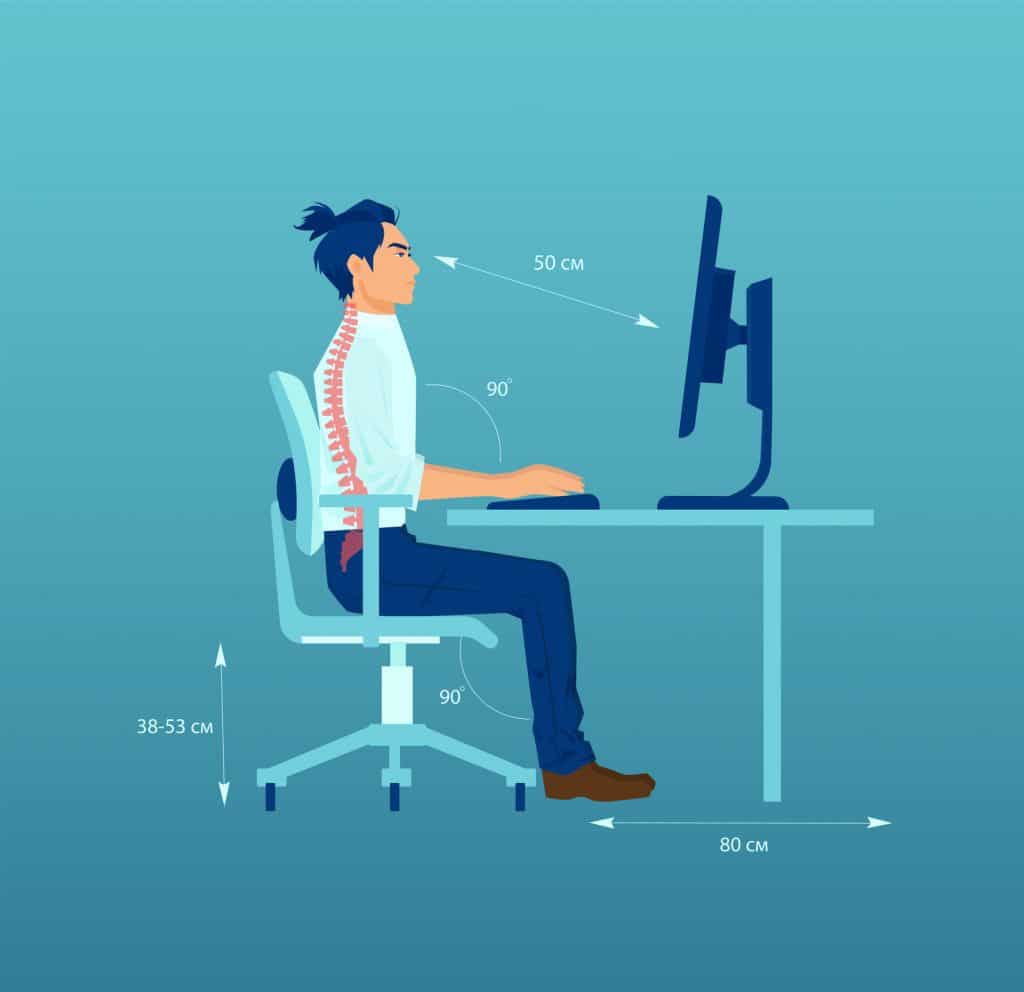
20:8:2, 40:20 or just move round regularly

Working From Home (WFH) has rarely been a hotter topic, even when it used to be called telework earlier this century. SafetyAtWorkBlog had the opportunity recently to ask some questions of experts put forward by the Australian Catholic University (ACU).

The first of our articles based on the ACU response discusses one of the most intriguing recommendations – a 20:8:2 ratio for low impact physical activity during desktop activity.

Subscribe to SafetyAtWorkBlog to continue reading.
Subscribe Help
Already a member? Log in here

Business COVID19 survey could have been clearer and more useful

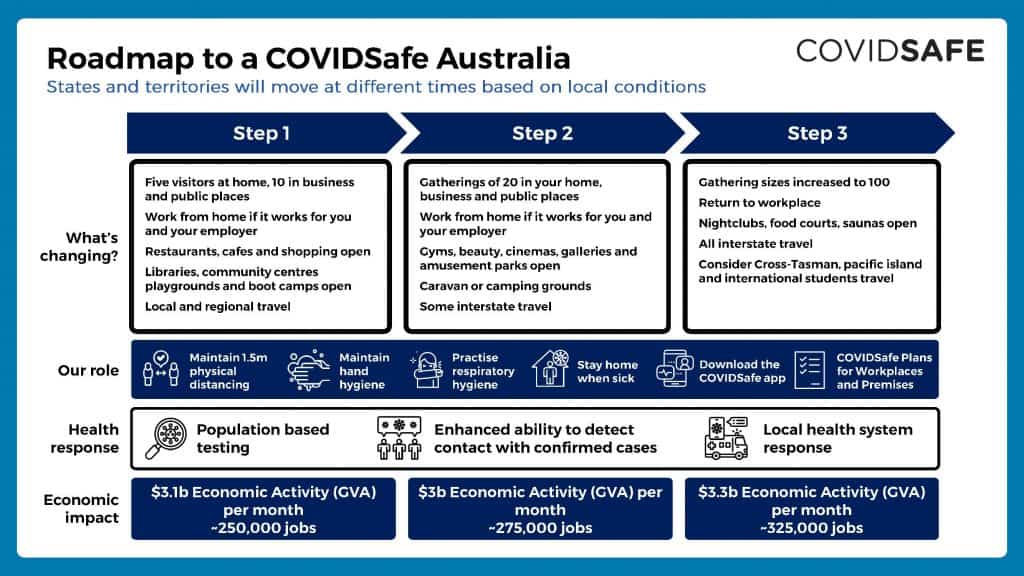
On April 14, 2020, the Australian Industry Group revealed, in a media release, some details of how its members were responding to the COVID19 pandemic. The survey was described as economic research and, as occupational health and safety (OHS) is mentioned, SafetyAtWorkBlog asked from more details on the OHS-related findings.

The survey found:

“There has been a steep rise in workload as a result of new OH&S policies and procedures around hygiene (34%) and working from home (25%).”

“Employees are also anxious, with 31% of businesses saying there is increased anxiety levels within their workforce.”

Subscribe to SafetyAtWorkBlog to continue reading.
Subscribe Help
Already a member? Log in here
Concatenate Web Development
© Designed and developed by Concatenate Aust Pty Ltd