Industrial Manslaughter Laws are treading water

On November 13 2019 the Victorian Parliament heard detailed debate (page 93) about Industrial Manslaughter laws but without resolution. Many of the points raised were familiar and along political party lines but of particular interest was the insights provided into how that State’s political leaders perceive occupational health and safety (OHS).

Each of the speakers reiterated the importance of OHS and how all workers deserve to go home at the end of the shift – you know the cliches and the debate held plenty of them. There was also a fundamental misunderstanding by many speakers though.

Subscribe to SafetyAtWorkBlog to continue reading.
Subscribe Help
Already a member? Log in here

Farm suicides and prevention

In a submission to the Australian Government’s inquiry into the future of work, the McKell Institute dips into Safe Work Australia’s latest statistical data and reveals a few occupational health and safety (OHS) and workers compensation surprises in the area of agriculture. These surprises are substantiated by other occupational health and safety (OHS) data sources.

Recently, SafetyAtWorkBlog chastised Australian government agencies, and politicians, from relying on workers compensation claims data as measurements of OHS rather than having established supplementary and robust sources of data on work-related injuries and illnesses. Such reliable sources would have helped anticipate some of the hazards from new employment structures and re-emerging occupational hazards. The McKell Institute wrote:

Subscribe to SafetyAtWorkBlog to continue reading.
Subscribe Help
Already a member? Log in here

Don’t be a fish; be a frog.

“Don’t be a fish; be a frog. Swim in the water and jump when you hit ground.”

Kim Young-ha

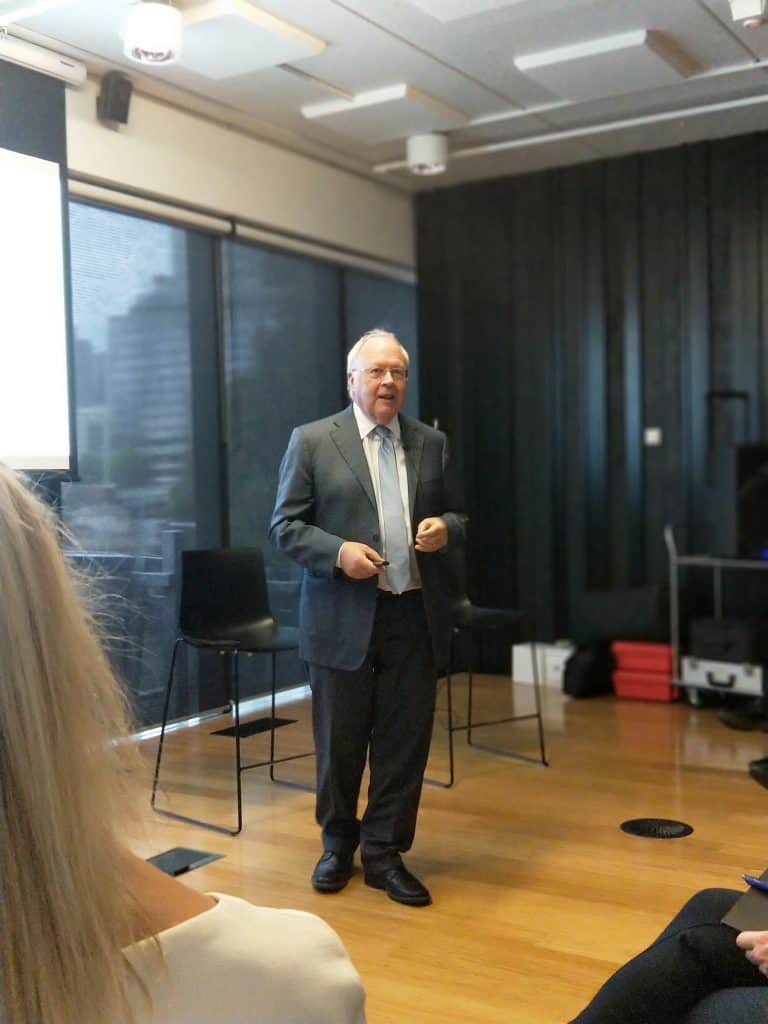
This aphorism seems apt for the safety culture journey that is occurring at Melbourne Water under the tutelage of Professor Patrick Hudson (pictured right). Melbourne Water is attempting to become a “generative organisation” in line with Hudson’s Safety Culture Maturity model and hosted a public event with Hudson in early November 2019. This provided an opportunity to hear how the model has evolved, particularly in its applications.

Subscribe to SafetyAtWorkBlog to continue reading.
Subscribe Help
Already a member? Log in here

Political Science (finally) comes to OHS

Improvement in occupational health and safety (OHS) standards has always been the intention of OHS laws. Parallel to this is the intention of the OHS, and allied, professions to continuously improve health and safety through the prevention of harm. However, political leadership on OHS has been scarce over the last few years, especially in the national governments of the United Kingdom, the United States and Australia. So, it is necessary to look beyond the party politics to other sources of change.

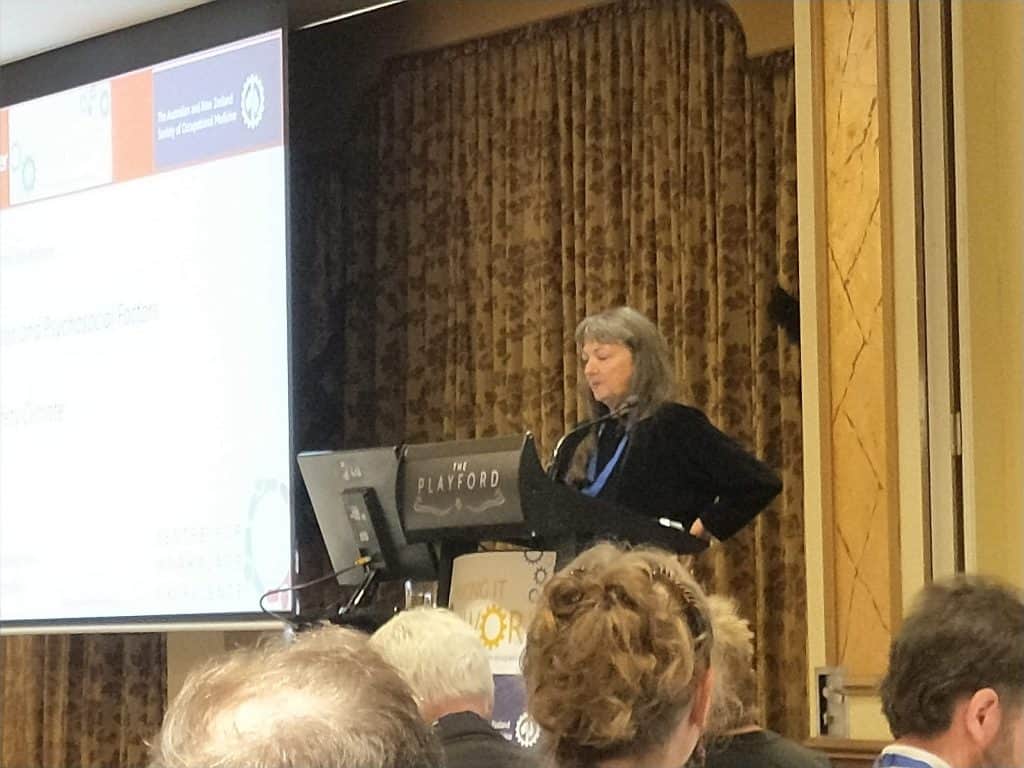
Professor Maureen Dollard speaking at the 2019 ANZSOM Scientific Meeting in Adelaide

At the recent scientific meeting of the Australia and New Zealand Society of Occupational Medicine in Adelaide, prominent academic, Professor Maureen Dollard, introduced a much- needed element of political science into her presentation which was titled “Work Organisation and Psychosocial Factors”. SafetyAtWorkBlog was able to ask Dollard, and fellow presenter Professor Sally Ferguson, about this political context.

Subscribe to SafetyAtWorkBlog to continue reading.
Subscribe Help
Already a member? Log in here

New Zealand leads on wellbeing

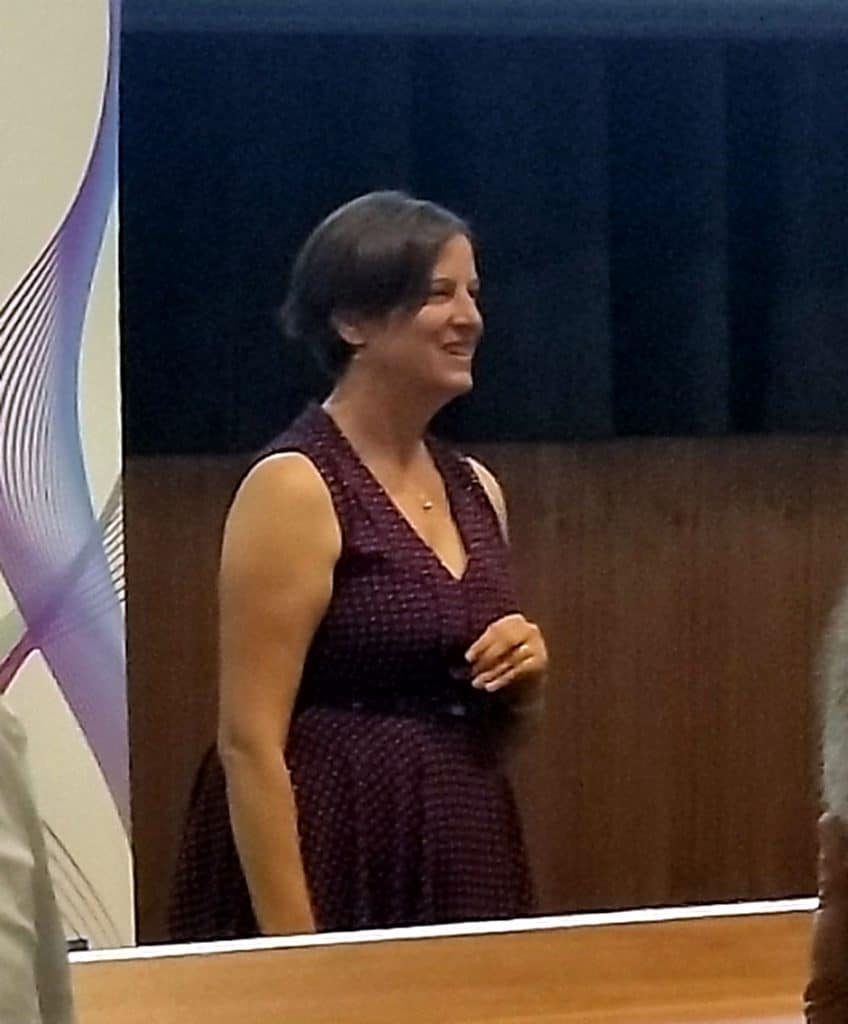
A couple of months ago, SafetyAtWorkBlog mentioned New Zealand’s Wellbeing Budget. Last week a representative of the NZ Treasury, Ruth Shinoda, spoke about it from direct experience in Melbourne at the 7th Global Healthy Workplace Summit. The Wellbeing Budget and a complimentary Living Standard Framework provide important contrasts to how Australia is valuing the healthy and safety of its citizens and workers.

Subscribe to SafetyAtWorkBlog to continue reading.
Subscribe Help
Already a member? Log in here

New book on a neglected area of OHS research

Helen Lingard and Ron Wakefield have published one of the few books to look at how occupational health and safety (OHS) is structured and managed in government-funded infrastructure projects in Australia. Their new book, “Integrating Health and Safety into Construction Project Management” is the culmination of over a decade’s research into this area. The book is both a summary of that research and a launching pad for designing OHS into future infrastructure projects.

Subscribe to SafetyAtWorkBlog to continue reading.
Subscribe Help
Already a member? Log in here

OHS of work vehicles starts to get national attention

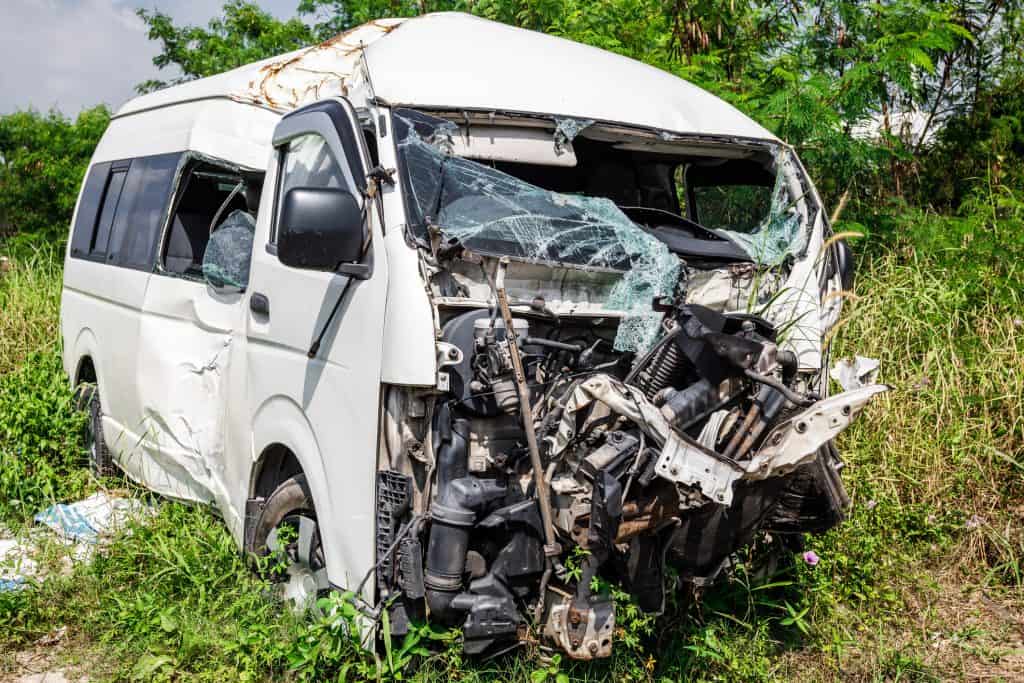
One of the the most ignored areas of occupational health and safety (OHS) is the light commercial and fleet/company vehicles. This is changing in Australia, partly, because the former head of the Transport Workers Union, Tony Sheldon is now a Senator.

In Senate Estimates on October 23, 2019 (page 117 onwards), Senator Sheldon challenged the heads of Safe Work Australia on workplace vehicle safety. He posed a scenario in relation to the collection of injury/incident data:

“If you’re a truck driver and you’re operating for, say, a major retailer and you’re contracted to a transport company and your contract is as an owner-driver—you own your own rig—and you get injured whilst you’re out on the road and you get seriously injured, under what circumstances would that be included and under what circumstances would it not be included in your statistics for serious injury?”

Continue reading “OHS of work vehicles starts to get national attention”
Concatenate Web Development
© Designed and developed by Concatenate Aust Pty Ltd