
Safe Work Australia has responded to the request for comment on their recent amendments to the psychologically health workforce guidance.
Category: government
Quiet release of amended mental health guidance
Safe Work Australia (SWA) quietly released an amended version of its “Work-related psychological health and safety: A systematic approach to meeting your duties” recently. SafetyAtWorkBlog looks at what has changed.
Continue reading “Quiet release of amended mental health guidance”Banking Royal Commission and corporate culture
Occupational health and safety (OHS) has come late to seeing its operations as part of the organisational culture of Australian businesses. Its realisation started with an assertion of a “safety culture” that operated in parallel with regular business imperatives but often resulted in conflict and usually on the losing side. OHS has matured and become less timid by stating that OHS is an integral part of the operational and policy decision-making.
Some of that business leadership that was admired by OHS and many other professions existed in the banking and finance sector which has received a hammering over the last two years in a Royal Commission. That investigation’s final report was released publicly on 4 February 2019. The report reveals misconduct, disdain, poor regulatory enforcement and a toxic culture, amongst other problems. The OHS profession can learn much from an examination of the report and some of the analysis of that industry sector over the last few years.
What can we practically do to improve the OHS culture of Australia’s business sector?
This afternoon the Australian Government releases the findings of the Royal Commission into Misconduct in the Banking, Superannuation and Financial Services Industry. This has little to do with occupational health and safety (OHS) directly but it has a lot to do with:
- organisational culture,
- business ethics,
- the social licence to operate,
- the morality of capitalism, and
- Trust
OHS needs to operate within all these elements of business operations and all Australian businesses will be watching how the Government and other political parties react to these findings.
Continue reading “What can we practically do to improve the OHS culture of Australia’s business sector?”More than warm lettuce needed on Industrial Manslaughter laws
Applying the most effective way to have companies comply with their occupational health and safety (OHS) obligations has been debated in Australia and elsewhere for years. The issue will arise again in 2019 and in relation Industrial Manslaughter laws as Australian States have elections, or the political climate suits.

There are several elements to the argument put by those in favour of Industrial Manslaughter laws. Workers are still being killed so the deterrence of existing OHS laws has seen to have failed. Deterrence has been based on financial penalties and workers are still being killed so financial penalties have failed. Jail time is the only option left.
This is a simplistic depiction of the argument, but it is not dissimilar to some of the public arguments. The reality is that deterrence is achieved in two ways – telling the person of the consequences of an action and enforcing those consequences.
The mental health “one in five” statistic examined for validity
This blog has a policy of linking to source documents wherever possible. Recently I investigated the origin of the statement and its variations:
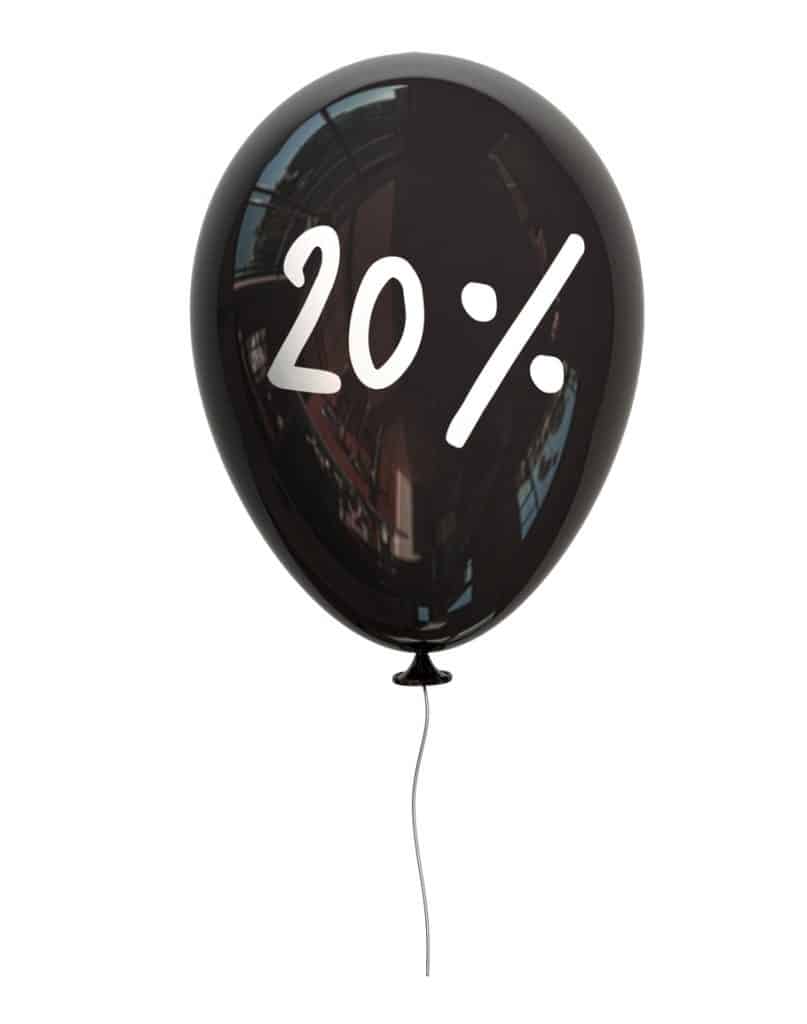
“In a 12 month period, 20 per cent of Australians will experience a mental health condition.”
Clarity on this is going to be important as Australia has several formal inquiries relating to mental health and this statement often crops up in strategy documents and policies related to occupational health and safety (OHS).
Is workplace health and safety still relevant?
A quiet revolution is happening in workplace health and safety in Australia. I don’t mean the laws – that boat sailed with the failure of the attempt to harmonise laws and tweak them for the new Century. The change is coming from a realisation that what is still mostly called Occupational Health and Safety (OHS) has been misunderstood and misapplied, especially in the context of work-related psychological hazards.

OHS emerged in its most contemporary form in the 1970s in the UK and manifested in new laws in Australian States in the 1980s. These laws stipulated that the primary duty of care for the health and safety of workers AND those affected by the work processes suits with the employers (ignore the absurd modern variation of employer in the Work Health and Safety laws – the PCBU – Persons Conducting Business or Undertaking as only lawyers really use the term. Some prominent lawyers pronounced the acronym as “Peek-A-Boo” (you know who you are) as if OHS was a barely-held-together nightie! It was juvenile and didn’t help). Workers have a duty to not harm themselves or others and to support the employer’s OHS processes.
Continue reading “Is workplace health and safety still relevant?”