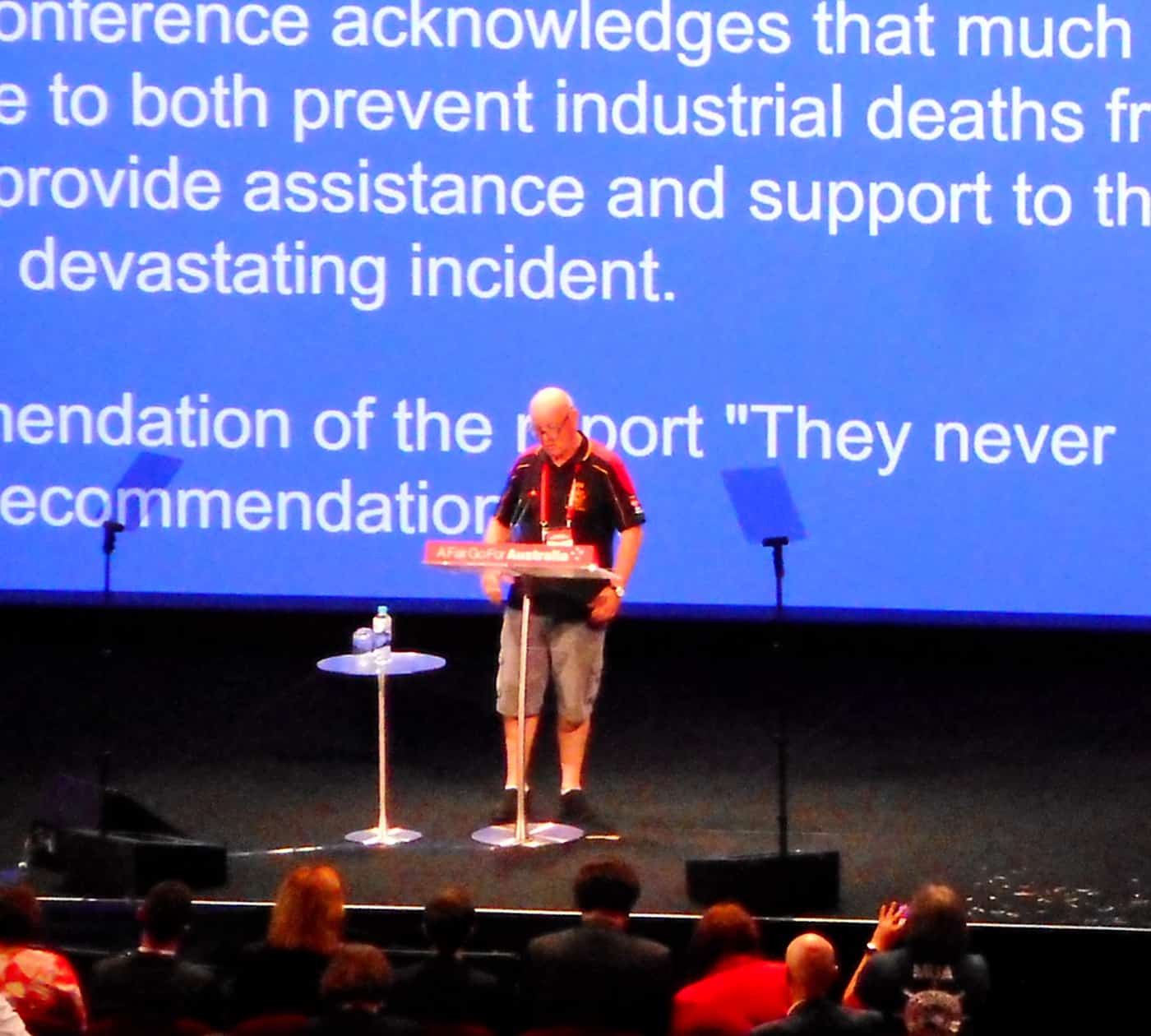
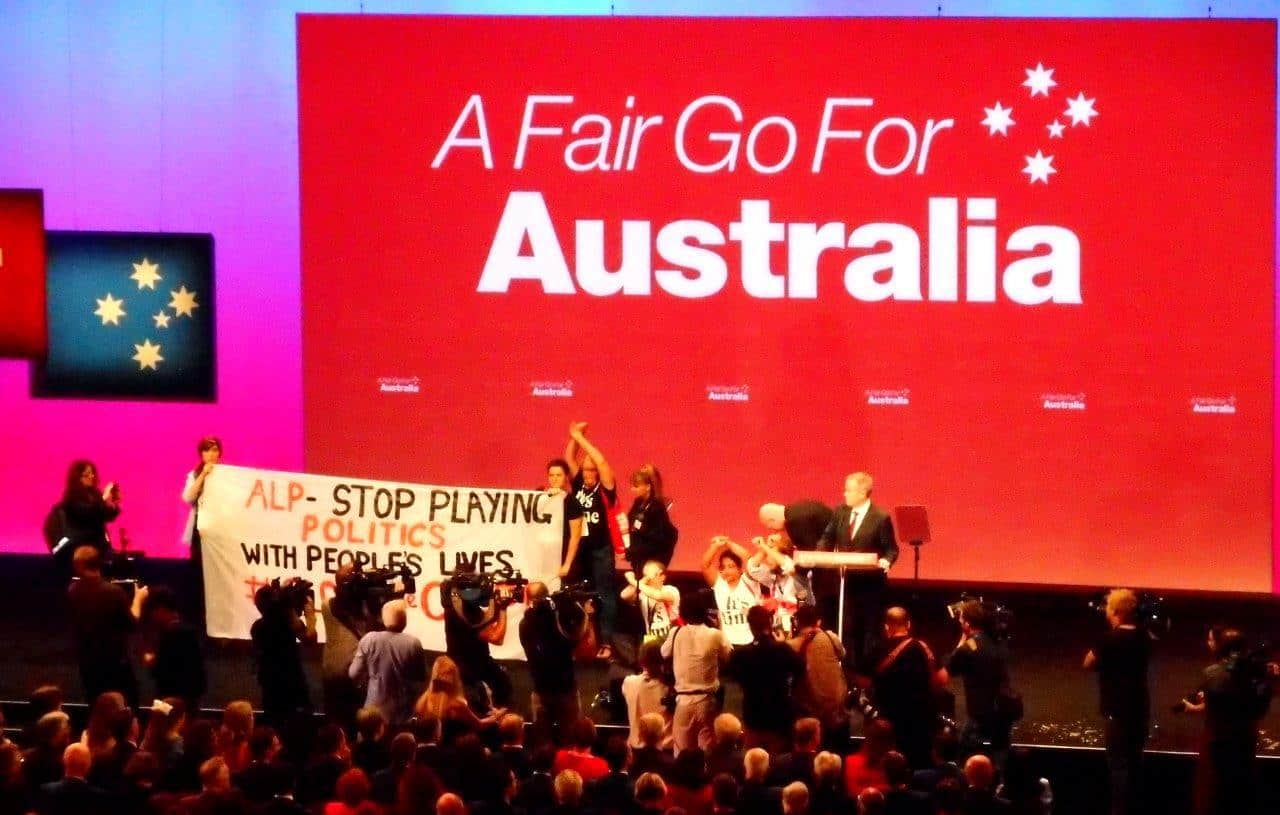
The 2018 Comcare conference currently happening in Melbourne Australia is a mixed bag, perhaps as conferences should be. There is a mix of useful information and perspectives but this has also led to mixed messages.
Category: government
The US discovers job strain and suicide
The Centers for Disease Control and Prevention (CDC) has recently written about suicide prevention and the organisational structures that can contribute to poor mental health. The prominence of the CDC should result in a spate of media reports about this NIOSH Science Blog article.
Evidence of the link between the two has been building in Australia for some time through the work of several researchers. The CDC/NIOSH draws on
The sexual harassment you walk past is the sexual harassment you accept
Australian Human Rights Commissioner, Kate Jenkins, has released the findings of the Commission’s latest survey on sexual harassment in workplaces. It is an important analysis of an improving dataset that should make actions to prevent sexual harassment more effective.
The statistical report is separate from the Commission’s National Inquiry into Sexual Harassment in Australian Workplaces and does not emphasise the role of harm prevention but it does contain references to prevention that are worth considering.
Where is the Senate Inquiry into Industrial Deaths heading?
As readers would realise, the transcripts for the Australian Senate inquiry into industrial deaths are fascinating. It is worth looking at the other presentations and questions on the day when the Australian Chamber of Commerce and Industry received a grilling as this provides insight into how to present to a government inquiry addressing occupational health and safety.
The Senate Committee has probably heard more from relatives of deceased workers than has any other similar inquiry, perhaps even the Workplace Bullying inquiry in which this Committee’s member Deborah O’Neill participated. This is an indication of the shift in OHS over the last few years where the human impacts of workplace safety failures, what some describe as the “lived experience”, gain an influence that used to sit with professionals and acknowledged subject matter experts.

A possible licence to be safe
The Victorian Parliament continues to consider the Building Amendment (Registration of Building Trades and Other Matters) Bill 2018. According to one interpretation in the unofficial Hansard:
“This bill’s objectives are to deliver better outcomes for domestic building consumers and building practitioners through further improvements to the practitioner registration and disciplinary system, improve compliance with swimming pool and spa barrier standards and implement some recommendations of the Victorian Cladding Taskforce and the Coroners Court.”
There are many aspects to this Bill, one of which is occupational health and safety (OHS).
A bad day for ACCI at the Senate Inquiry into Industrial Deaths
Jennifer Low, Associate Director of the Australian Chamber of Commerce and Industry addressed the Senate Inquiry into Industrial Deaths in Perth on August 30 2018. Much of her presentation would be familiar to occupational health and safety professionals as it reflects the ideological position that the ACCI has put to countless inquiries over almost 20 years. It is fair to say that the ACCI did not have a good day at the Inquiry.
Low’s presentation commenced with a restating of the general commitments to safety and that the ACCI and its members hold the importance of OHS as a “fundamental belief”. This was followed up with
“Our employer network feels strongly that the prevention for workplace incidents, injuries and fatalities is a shared responsibility.” (page 1, emphasis added)
This
Review of West Gate Bridge findings has important lessons for modern infrastructure projects
2020 will be the fiftieth anniversary of the collapse of the West Gate Bridge which resulted in, amongst others, the deaths of 35 workers, changed Victoria’s approach to occupational health and safety (OHS), instigated a Royal Commission into the disaster, strengthened trade union influence and established an industrial antagonism to the John Holland group of businesses that continues today.

Last week,