Victoria’s Workplace Manslaughter laws are a misdirection

On July 1, 2020, Victoria receives the Workplace Manslaughter laws that it missed out on by a bee’s whatsit in 2002.  Premier Daniel Andrews will complete another election pledge and will be seen as a champion for Victoria’s workers.  The Workplace Manslaughter laws will provide some bereaved relatives with comfort and a belief that bad employers will be punished for neglecting their occupational health and safety (OHS) duties to provide safe and healthy work environments. Punishment is possible, but unlikely.

The first thing that Victorians need to understand is that Workplace Manslaughter laws are not about OHS, they are about politics.  It is no coincidence that both Queensland and Victoria’s Workplace Manslaughter laws emerged during election campaigns.  Both branches of the Australian Labor Party (ALP) needed to say something about workplace relations that did not involve the hotbed of industrial relations, especially when so much IR change would bring in National politics.

OHS allows people to talk about IR without the trade union politics.  OHS is not about money, it is about quality of life and who, in politics or elsewhere, will say that deaths at work are an acceptable consequence?  The ALP leaders were on a winner and were able to take some moral high ground and criticise business groups on an issue against which business leaders could not argue.

Continue reading “Victoria’s Workplace Manslaughter laws are a misdirection”
To understand Industrial Manslaughter, look at the politics

On May 20, 2020 Industrial Manslaughter became an offence applicable to Queensland’s mining and resources sector, sometime after the offence was applied to all other Queensland businesses. Industrial Manslaughter (IM) laws have always been as much about politics as they are about penalties, deterrence and occupational health and safety (OHS).

Some of the politics is shown by the responses from Queensland business groups (sounding like spoken through gritted teeth) but to really understand these laws, it is worth looking at the Second Reading of the omnibus Bill that included the IM amendments as politicians in several other Australian jurisdictions will face the same issues. It is also useful for OHS people to understand the political and legislative context of the penalties their employers may face.

Also, in the last week of May 2020, the first company to be successfully prosecuted under the IM laws will be sentenced, Brisbane Auto Recycling. The company’s two directors have pleaded guilty to reckless conduct and will also be sentenced.

Subscribe to SafetyAtWorkBlog to continue reading.
Subscribe Help
Already a member? Log in here

WorkSafe and Industrial Manslaughter webinar

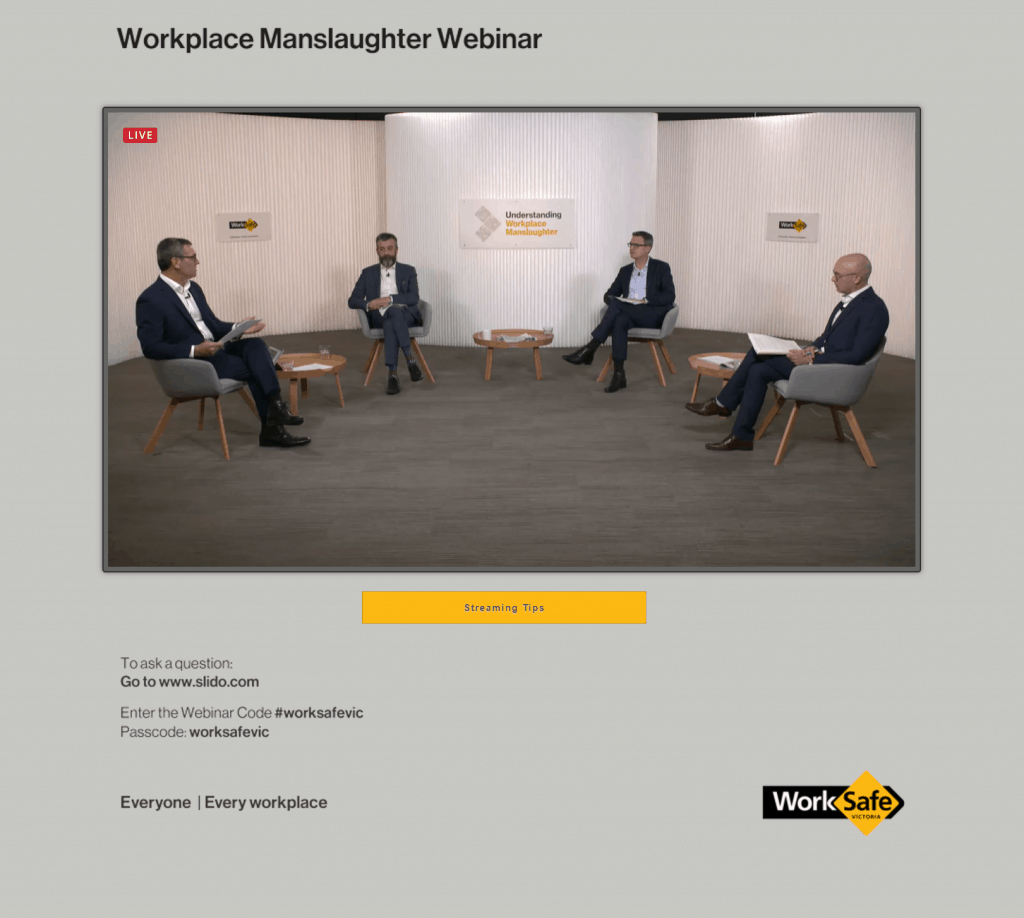
On May 19, 2020, WorkSafe Victoria conducted an interactive webinar on Workplace Manslaughter laws due to be in place from July 1, 2020. The webinar was very good for those who are coming to the issue anew as the level of interaction was excellent. But the webinar also broadened beyond its topic, which was disappointing. At 90 minutes the event was too long, but revised versions of this consultation with the community should be scheduled regularly, even when physical distancing rules end.

Subscribe to SafetyAtWorkBlog to continue reading.
Subscribe Help
Already a member? Log in here

Running before you can walk on COVID19 and Mental Health

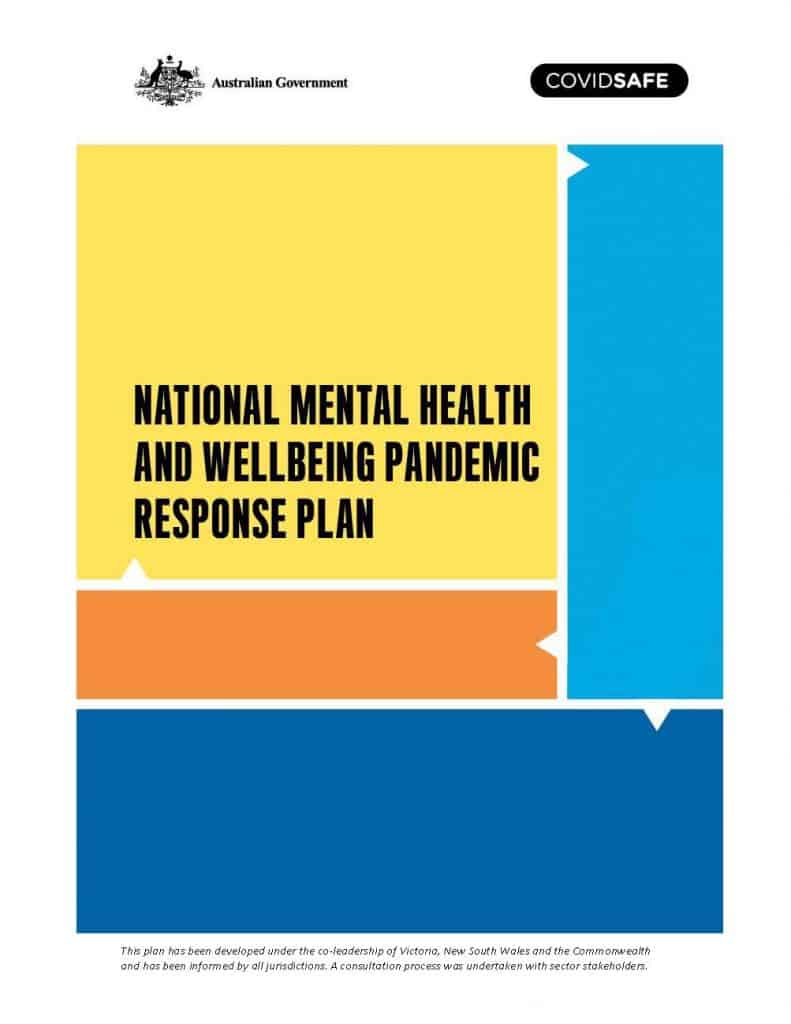
On May 15 2020, the Australian Government released a National Mental Health and Wellbeing Pandemic Response Plan. Mental Health has been on Prime Minister Morrison’s agenda since his election a year ago and the mental health sector is not going to be starved of government funds during his tenure.

Mental ill-health has been talked about throughout the current COVID19 Pandemic and has been forecast to increase due to the economic disruption and the requirements for social isolation. To some extent, the low numbers of COVID19 deaths in Australia has allowed it a “luxury” of addressing mental health, but some of the justifications seem not as strong as claimed and the National Mental Health Plan omits any consideration of occupational health and safety (OHS) other than for those in the health industry; the so-called “frontline workers”.

Subscribe to SafetyAtWorkBlog to continue reading.
Subscribe Help
Already a member? Log in here

Safety notification app

Last weekend across the road from home, two workers were on the roof of a three-storey apartment block construction installing or inspecting solar panels. No fall protection, no harnesses. I grabbed my phone to notify my local WorkSafe about this unsafe work activity. The switchboard was closed, and the phone number listed on the website was identified as only for emergencies. Was this an emergency? Not sure. By the time I worked it out, the workers were off the roof and the opportunity passed.

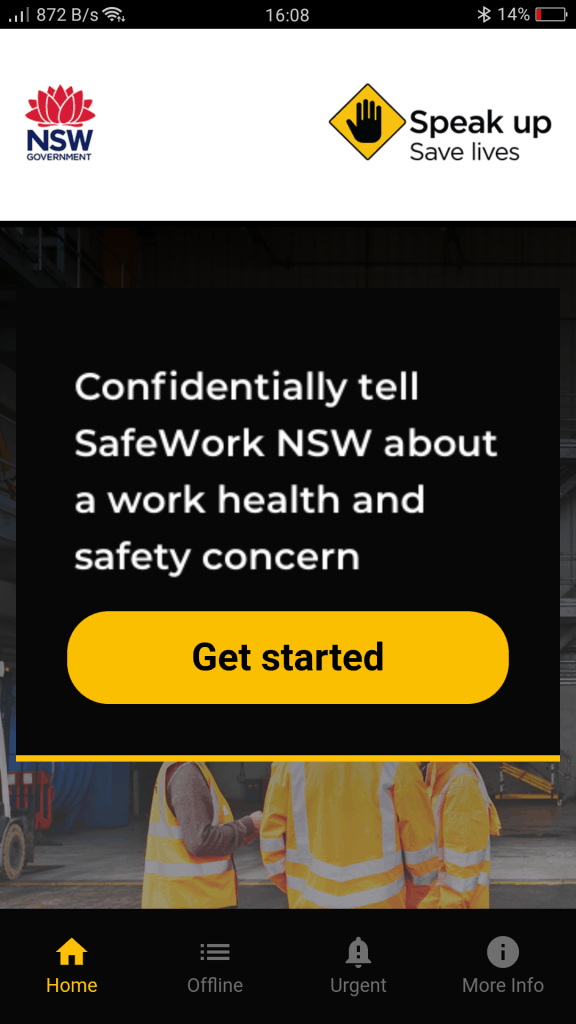
I now wish that my State had a notification app like that operating in New South Wales. I would have taken some photos and notified the occupational health and safety (OHS) regulator. The “Speak Up, Save Lives” app seems good, but it may also undercut the pathways to Consultation established through the OHS laws.

Subscribe to SafetyAtWorkBlog to continue reading.
Subscribe Help
Already a member? Log in here

Australia government releases its COVID19 Safe Plan template

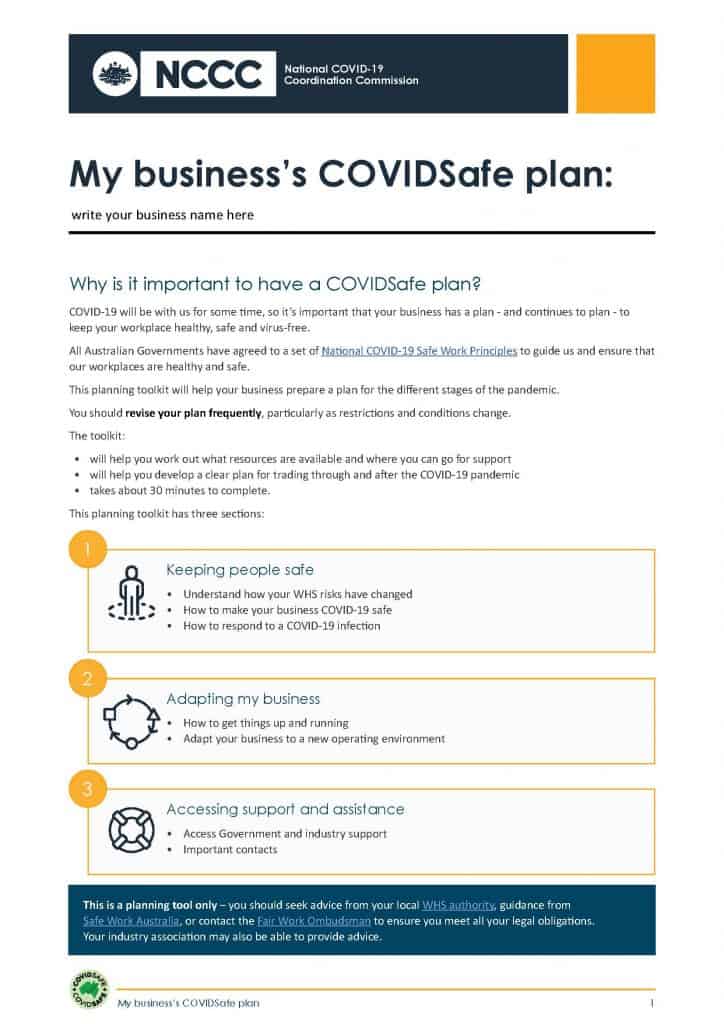
Australia’s National COVID-19 Coordination Commission (NCCC) has released what it calls a toolkit for assessing COVID19 risks for businesses that are reopening soon. It is a useful checklist/template that the NCCC anticipates will take around 30 minutes to complete. What legal standing it may have is unclear as OHS in most Australian workplaces is regulated at State and Territory levels, but the Prime Minister says we need COVID Safe Plans and here’s a checklist to support it.

Business owners should understand that any checklist is only ever a tool to aid them to make an informed decision. It is not a compliance tick. Sadly, the COVIDSafe Plan template fails to answer its first question:

“Why is it important to have a COVIDSafe Plan?”

The answer should have been something like

“….all Australian business owners are obliged by law to provide workplace that are free of health and safety risks, including viral infections, like COVID19. This plan will help you fulfill your obligation which will also reduce the transmission of COVID19 and could save lives.”

The legal and moral reason for this checklist should have been upfront to emphasise the primacy of occupational health and safety (OHS) in helping control a public health risk.

Subscribe to SafetyAtWorkBlog to continue reading.
Subscribe Help
Already a member? Log in here

Australian government reopening strategy

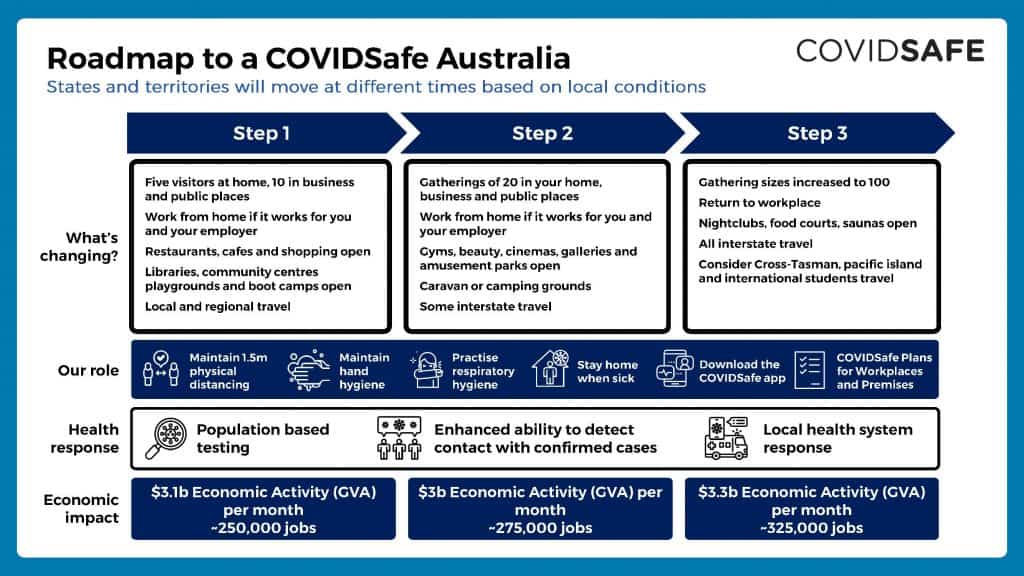
On the afternoon of May 8 2020 the Prime Minister, Scott Morrison, and Chief Medical Officer, Brendan Murphy, revealed the decisions of the National Cabinet. This is a national plan developed with the agreement of State Premiers and Chief Ministers who will be largely responsible for how this plan is implemented in their local jurisdictions. Many of the occupational health and safety (OHS) challenges have been anticipated by business owners as discussed in this morning’s blog article but it is worth looking at the infographics of the plan revealed by Morrison and Murphy but also the transcript of the press conference as that provides an important context to what the government expects to happen.

The government released two infographics, one was four pages of the broad plan, the other is that plan split into industry sectors.

Subscribe to SafetyAtWorkBlog to continue reading.
Subscribe Help
Already a member? Log in here
Concatenate Web Development
© Designed and developed by Concatenate Aust Pty Ltd