Government responds to the mental health risks of emergency service workers

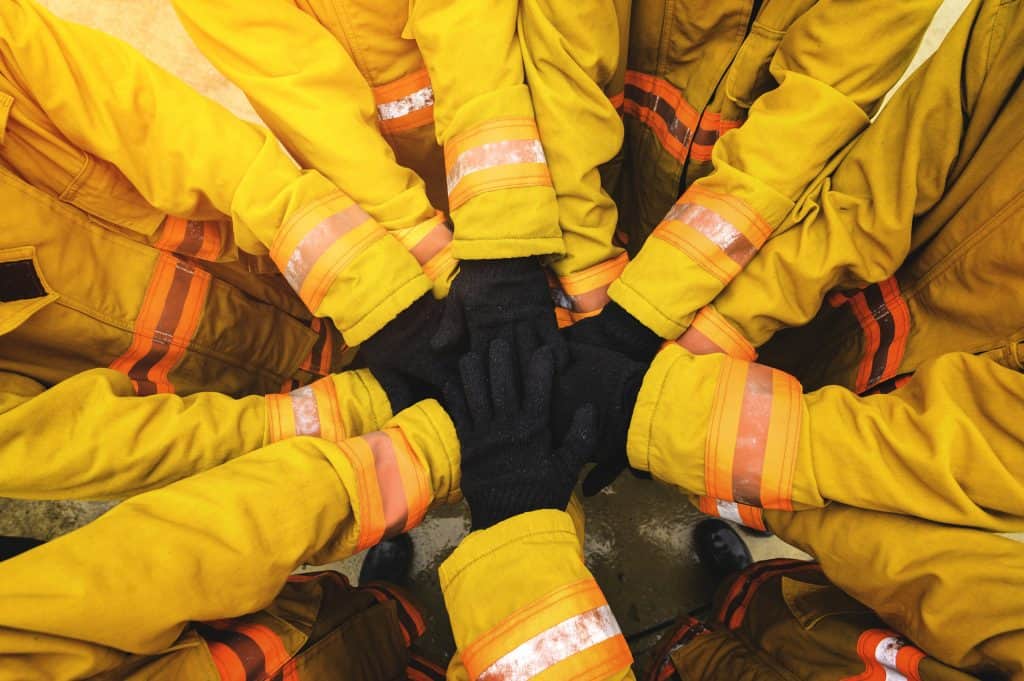
In 2018/19 one of Australia’s Senate Committees looked at the mental health of emergency responders. The final report was handed down in February 2019 and the government’s response has been released today, twelve months later (?!). Lucky the government delayed as it allowed the Response to mention the 2019/20 bushfires even though this was outside the timeline of the Committee’s inquiry.

Emergency Responders, as do frontline soldiers, face unique psychological risks from their duties, so there are some recommendations that are difficult for those outside the sector to relate to but looking at the Response gives an insight into the thinking about occupational health and safety (OHS), and especially workplace mental health risks, of the Australian government. That thinking may be summarised by the Government supporting only one of the fourteen recommendations, noting five of them and supporting “in principle” the rest.

Subscribe to SafetyAtWorkBlog to continue reading.
Subscribe Help
Already a member? Log in here

Dreamworld presents a story bigger than just an OHS failure

Late yesterday the Queensland Minister for Industrial Relations, Grace Grace, issued a media statement that clarified the work health and safety (WHS) prosecution process that is likely to apply to Ardent Leisure, the owner of Dreamworld. Significantly she clarified the Coroner’s Findings and the misinformation of some media outlets. Ardent Leisure has issued a statement in support of safety improvements.

Subscribe to SafetyAtWorkBlog to continue reading.
Subscribe Help
Already a member? Log in here

Cliché creates mixed message on OHS

In a welcome announcement about additional funding for WorkSafeACT, the Australian Capital Territory’s Minister for Employment and Workplace Safety, Suzanne Orr, stated that

“Safety is everyone’s responsibility and we must work together to create a strong safety culture so all workers can return home safe at the end of the day”

Orr needs to have her people think a little deeper before using the “everyone’s responsibility” cliché especially as WorkSafeACT gains independence for the first time ever.

Subscribe to SafetyAtWorkBlog to continue reading.
Subscribe Help
Already a member? Log in here

NZ reviews its workplace death data to include vehicle incidents and shows a big increase

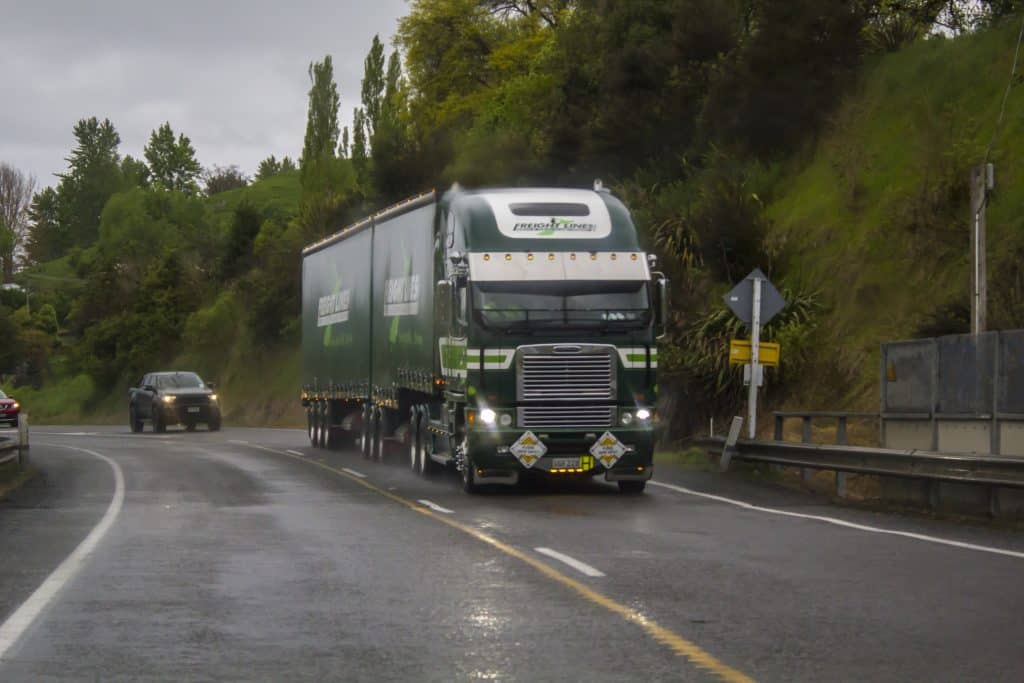
North island, New Zealand- October 29, 2017 Truck on the wet road. Source: istockphoto

2020 will be the year when Victoria’s work-related death statistics receive a shake-up with the inclusion of road transport deaths for the first time. There is the potential to redefine Victoria’s occupational health and safety (OHS) risk profile if the recent New Zealand experience is anything to go by.

Subscribe to SafetyAtWorkBlog to continue reading.
Subscribe Help
Already a member? Log in here

Industrial Manslaughter – politics, suicide and misrepresentation

The 2020 business year has started with a bunch of occupational health and safety (OHS) seminars. Given last year’s moves towards Industrial Manslaughter laws in several Australian States, a discussion of these laws is inevitable and there are some voices calling out the politics of the issue. Herbert Smith Freehills’ Steve Bell is one of them.

Subscribe to SafetyAtWorkBlog to continue reading.
Subscribe Help
Already a member? Log in here

The Brady Report busts myths and offers a new way

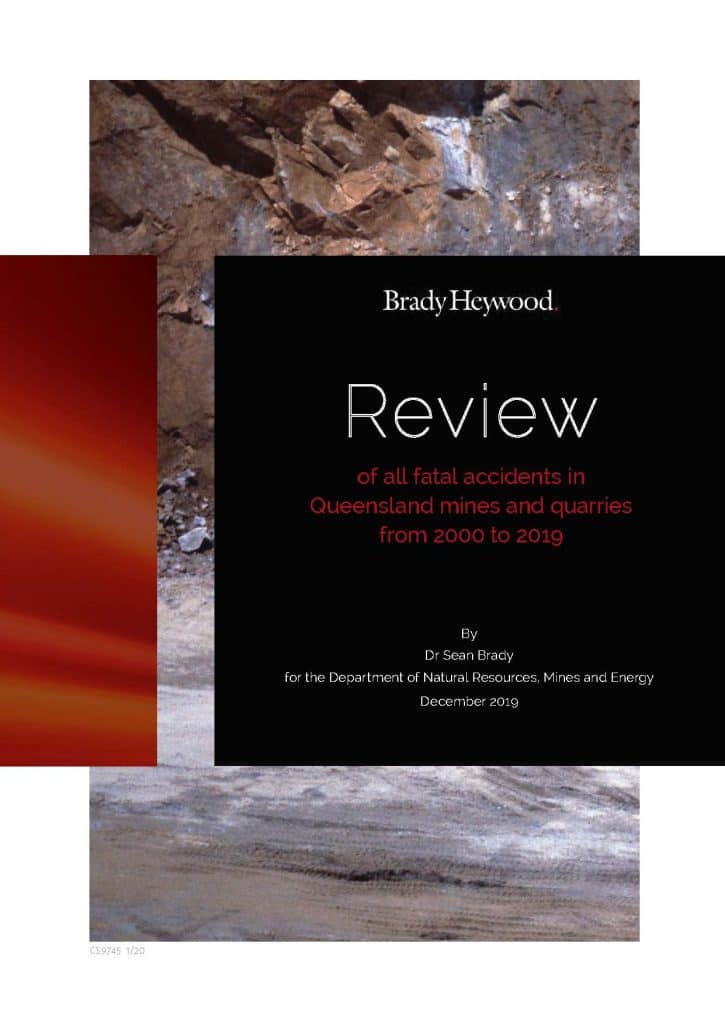
A bombshell occupational health and safety report was tabled in the Queensland Parliament on February 6, 2020. Dr Sean Brady of the Department of Natural Resources, Mines and Energy undertook a forensic assessment of mining fatalities occurring over almost 20 years and has made recommendations that busts some mine safety myths and offers a, potentially very disruptive, way forward.

Brady issued 11 recommendations with many of them hitting the OHS regime of mining companies and safety regulators hard. As the report is over 300 pages, this article is based largely on the Executive Summary.

Subscribe to SafetyAtWorkBlog to continue reading.
Subscribe Help
Already a member? Log in here

Industrial Manslaughter exemption for mining looks over

Many advocates see the introduction of Industrial Manslaughter laws as a glorious moment that will change the world for the better, in other words, a silver bullet. But if it is a silver bullet, it is being shot into the political murk. Queensland’s expansion of its Industrial Manslaughter laws to the mining and resources industries was presented to Parliament on February 4, 2020, and is likely to pass with the support of those industries.

Occupational health and safety (OHS) laws should apply to businesses and workers without exception. Queensland’s exemption of the mining and resources sector from Industrial Manslaughter laws was always a nonsense but that nonsense made good political sense in an election year.

Subscribe to SafetyAtWorkBlog to continue reading.
Subscribe Help
Already a member? Log in here
Concatenate Web Development
© Designed and developed by Concatenate Aust Pty Ltd