New book on a neglected area of OHS research

Helen Lingard and Ron Wakefield have published one of the few books to look at how occupational health and safety (OHS) is structured and managed in government-funded infrastructure projects in Australia. Their new book, “Integrating Health and Safety into Construction Project Management” is the culmination of over a decade’s research into this area. The book is both a summary of that research and a launching pad for designing OHS into future infrastructure projects.
Subscribe to SafetyAtWorkBlog to continue reading.
Subscribe Help
Already a member? Log in here

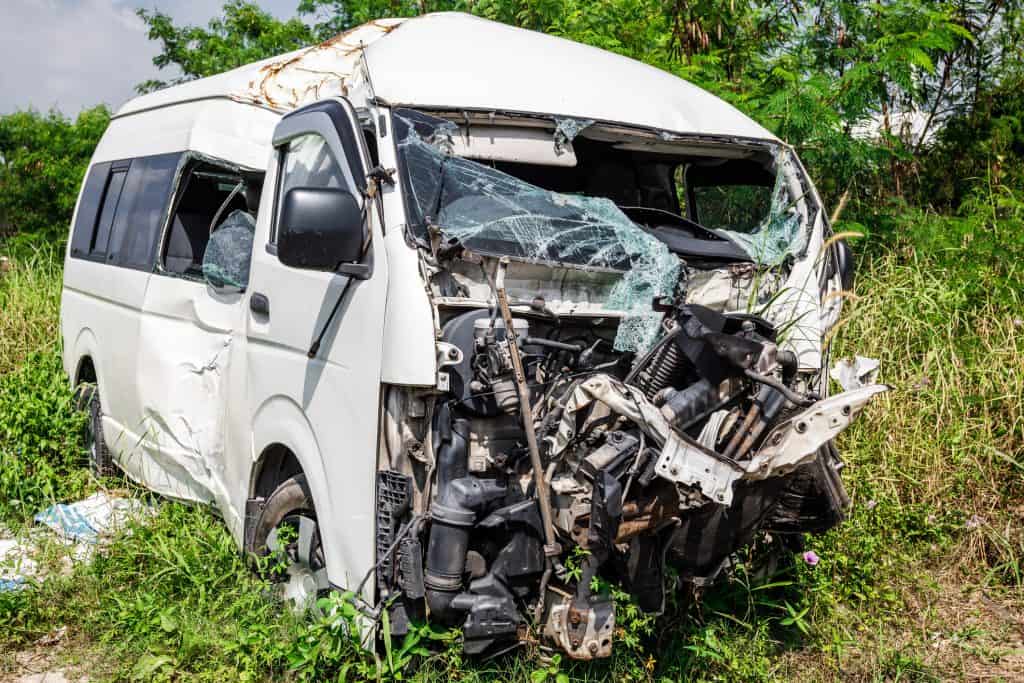
OHS of work vehicles starts to get national attention

One of the the most ignored areas of occupational health and safety (OHS) is the light commercial and fleet/company vehicles. This is changing in Australia, partly, because the former head of the Transport Workers Union, Tony Sheldon is now a Senator.

In Senate Estimates on October 23, 2019 (page 117 onwards), Senator Sheldon challenged the heads of Safe Work Australia on workplace vehicle safety. He posed a scenario in relation to the collection of injury/incident data:

“If you’re a truck driver and you’re operating for, say, a major retailer and you’re contracted to a transport company and your contract is as an owner-driver—you own your own rig—and you get injured whilst you’re out on the road and you get seriously injured, under what circumstances would that be included and under what circumstances would it not be included in your statistics for serious injury?”

Continue reading “OHS of work vehicles starts to get national attention”

Silicosis – “we need to licence the industry and we need to regulate the product”

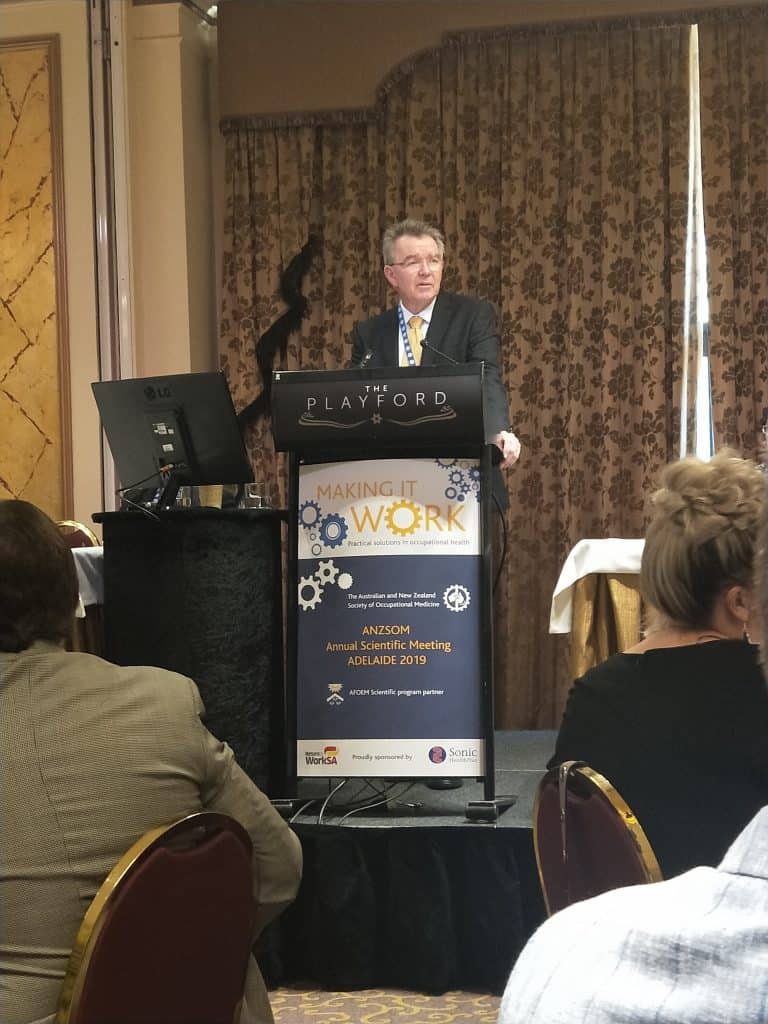
Last year the Scientific Meeting of the Australia and New Zealand Society of Occupational Medicine (ANZSOM) had a fiery discussion on the occupational health and safety (OHS) risks of cutting engineered stone.  The status has changed a lot over 12 months with various Codes of Practice, new exposure limits, a National Dust Disease Taskforce and lobbying from Erin Brockovich.  However the risk of worker exposure seems too have not changed this much because it is employers who are responsible for safe workplaces and there are many layers of OHS-related communication between research and practical application.

Dr Graeme Edwards (pictured above) spoke first in the ANZSOM panel on October 29 and he came out with all guns blazing.

“Prima facie evidence of system failure. That’s what accelerated silicosis means. It is an entirely preventable disease.”

Subscribe to SafetyAtWorkBlog to continue reading.
Subscribe Help
Already a member? Log in here

Annual Reports are not as transparent on OHS performance as they could be

Around four or five years ago, occupational health and safety (OHS) reporting in Corporate Annual Reports was a hot topic as Australian research had indicated that Annual Reports were not revealing sufficient, or useful, OHS data. Also awards were being presented for the best OHS reporting in Annual Reports. SafetyAtWorkBlog has looked at a sample of the reports released by the Victorian Government over the last fortnight to see what OHS information is available.

Two major keywords were used to search the Annual Reports – “Safe” and “Well”. These words form the stemS of other search terms such as “safety” and “wellbeing” or “wellness”. Each of the word responses were looked at for a focus on workplace or work-related activity. Although public safety may have an increasing OHS context, public safety, and a range of other “safeties”, were not included.

Some Annual Reports were okay, others? Egh! But what is clear is that there is no excuse.

Subscribe to SafetyAtWorkBlog to continue reading.
Subscribe Help
Already a member? Log in here

OHS in politics this week

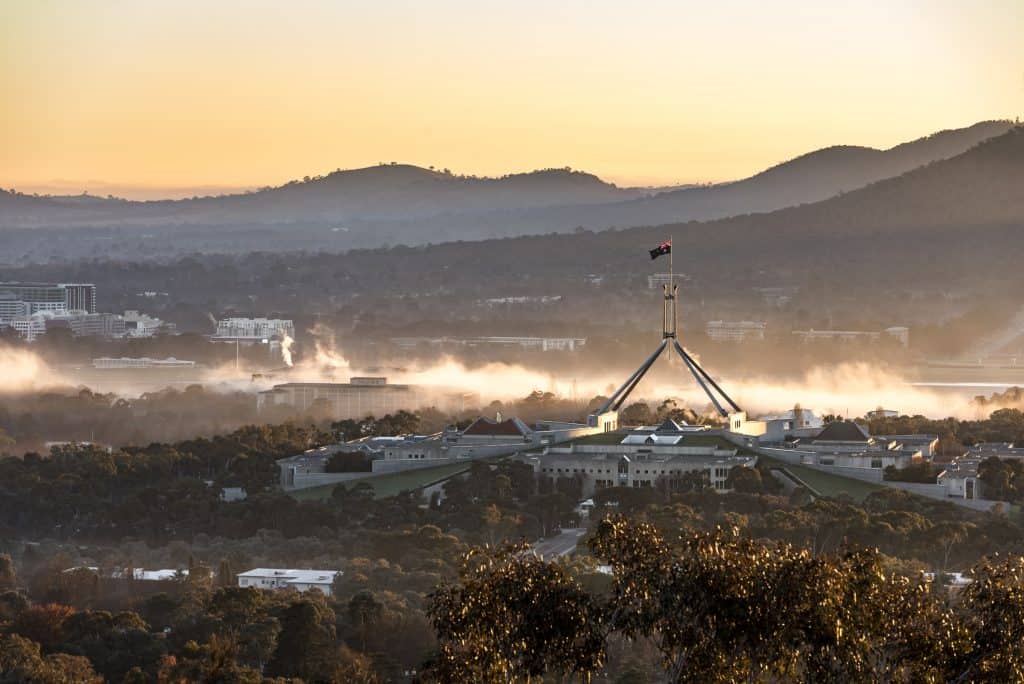
Foggy Winter Morning,Aerial view of the Parliament House Canberra,taken at Red Hill Lookout, Canberra,Australia.

Occupational health and safety (OHS) popped up in the Australian Parliament this week in odd, oblique ways. OHS was tied to

  • asbestos imports,
  • the Ensuring Integrity Bill,
  • a construction company owner in Western Australia, and
  • sexual harassment.

Question and Answers

On September 19 2019 several questions were put about the importation of asbestos containing products. The Government through the Home Affairs Minister, Peter Dutton, advised that:

Subscribe to SafetyAtWorkBlog to continue reading.
Subscribe Help
Already a member? Log in here

Australian Greens push for ban on engineered stone to eliminate silicosis risks

Greens MPs in Australia are increasing the political pressure to ban engineered stone from Australia because of the difficulty in eliminating silicosis risks.

On October 18, 2019, Greens MP David Shoebridge released a statement calling for the ban. Greens MP in South Australia Tammy Franks spoke in Parliament on October 16 2019, also calling for a ban on engineered stone. This and other action from other Members of Parliament are in response to inaction on the national level, partly due to occupational health and safety (OHS) being regulated by the States rather than the Commonwealth.

But as with the current controversy of thoroughbred horses being killed for export and pet food, the Federal Government is in charge of exports and imports, so could make the decision to stop imports of engineered stone. It is not as if there are not safer substitutes

The Greens in Western Australia have not called for a ban but have supported a reduced exposure standard.

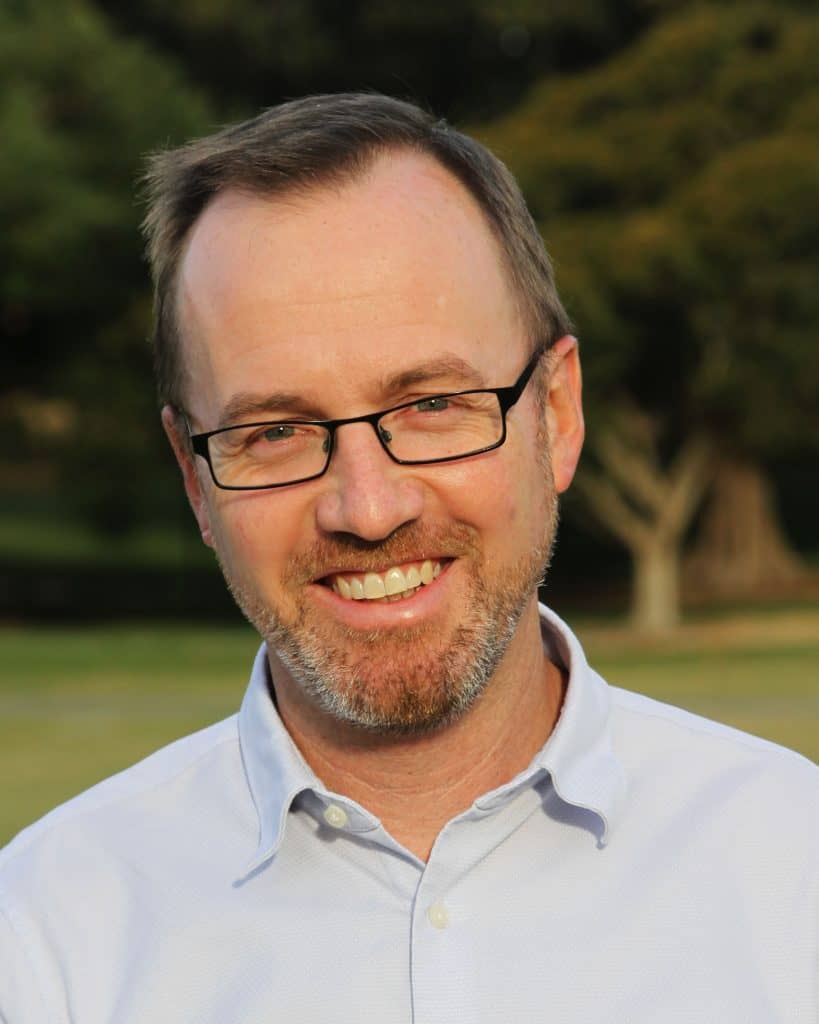
David Shoebridge MP

Shoebridge was responding to reports in The Australian ($) about New South Wales government plans to reduce silicosis risks, saying they:

  • Do not remove the risk of silicosis by banning the use of manufactured stone
  • Fail to expressly ban dry cutting, which is the most dangerous way in which the product is currently used
  • Will not prevent workers in the industry being exposed to potentially lethal silica dust with even the reduced exposure standard not being implemented for three years, and
  • Fail to put in place the right screening to identify cases of silicosis as early as possible.

Tammy Franks asked the Minister for Industrial Relations and Treasurer Rob Lucas, about government action on silicosis risks in Parliament on 16 October, 2019 (video available). Curiously, Lucas indicated that an Italian manufacturer of engineered stone is producing a version with a much reduced silica content, so imports could continue but of a safer product.

More on the science behind the politics next week when SafetyAtWorkBlog reports from the Annual Scientific Meeting of the Australia and New Zealand Society of Occupational Medicine in Adelaide.

Kevin Jones

“We need to act together to help me get my act together”

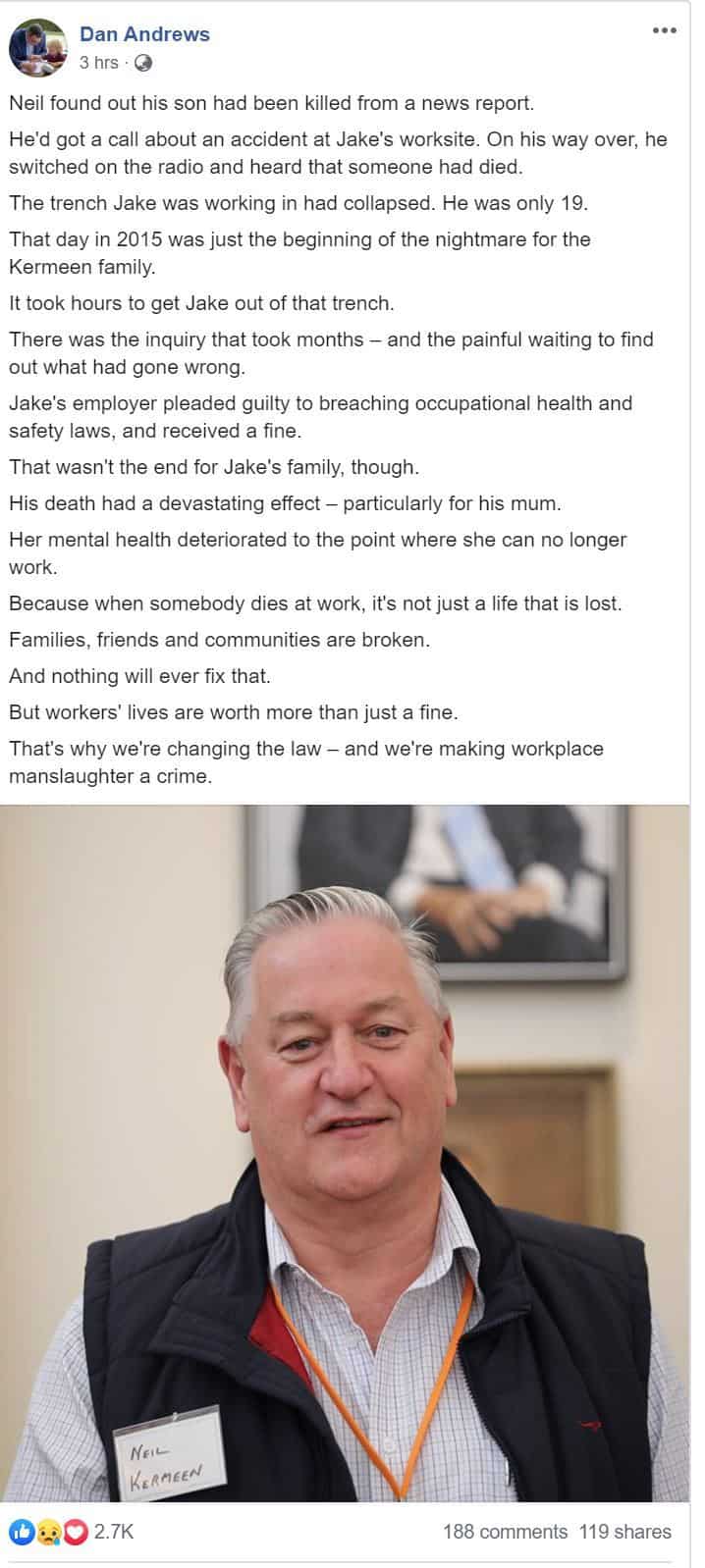
On October 21 2019, Victorian Premier Daniel Andrews posted on Facebook in support of his government’s move to introduce Industrial Manslaughter (IM) laws. He chose the death of Jacob Kermeen and its effect on the family in support of the need for these laws.

It is surely a coincidence that a fatality from a trench collapse was chosen for this exercise. Some of the leading advocates for IM laws are the relatives of two workers who died from a trench collapse in Ballarat in March 2018, a case being prosecuted by WorkSafe Victoria.

Subscribe to SafetyAtWorkBlog to continue reading.
Subscribe Help
Already a member? Log in here
Concatenate Web Development
© Designed and developed by Concatenate Aust Pty Ltd