
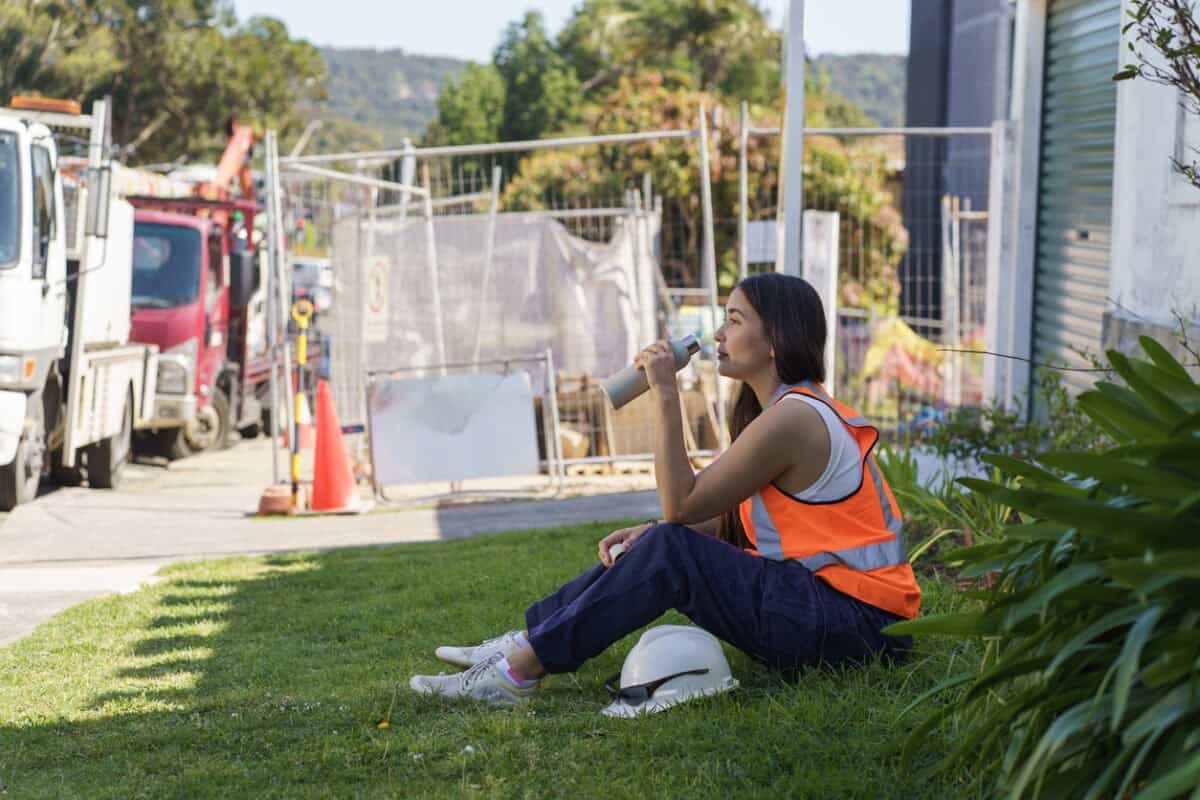
In 2021, Safe Work Australia released a model Code of Practice (CoP) for Working in Extreme Heat. The latest iteration of that code was released by the Australian Capital Territory on November 7, 2025. It is greatly expanded and much clearer on the prevention and management of exposures. When companies are claiming “best practice” safety, this CoP is particularly interesting.
Category: guidance

No Excuses, No Transition – Navigating Victoria’s New Psych Safety Code
Maddocks law firm has just concluded the second part of their psychological health and safety seminars. Lawyers Catherine Dunlop and Dale McQualter have the advantage of following a seminar on the same topic held by Victoria’s occupational health and safety (OHS) regulator just the other day. The advantage with this seminar is that the lawyers feel comfortable in giving their opinions and advice in contrast to the careful words of the WorkSafe people.
Why Known Hazards Still Kill – Falls from Heights
Recently WorkSafe Victoria revealed that in 2025:
“In the first half of this year, 174 Workcover claims have been lodged from the construction industry, from falls alone. A further 34 businesses have been charged and another 28 duty holders faced legal action, accumulating more than 2.54 million in fines, undertakings and costs. That already tops the entire 2024 figure of $1.65 million from 33 charged or prosecuted entities.”
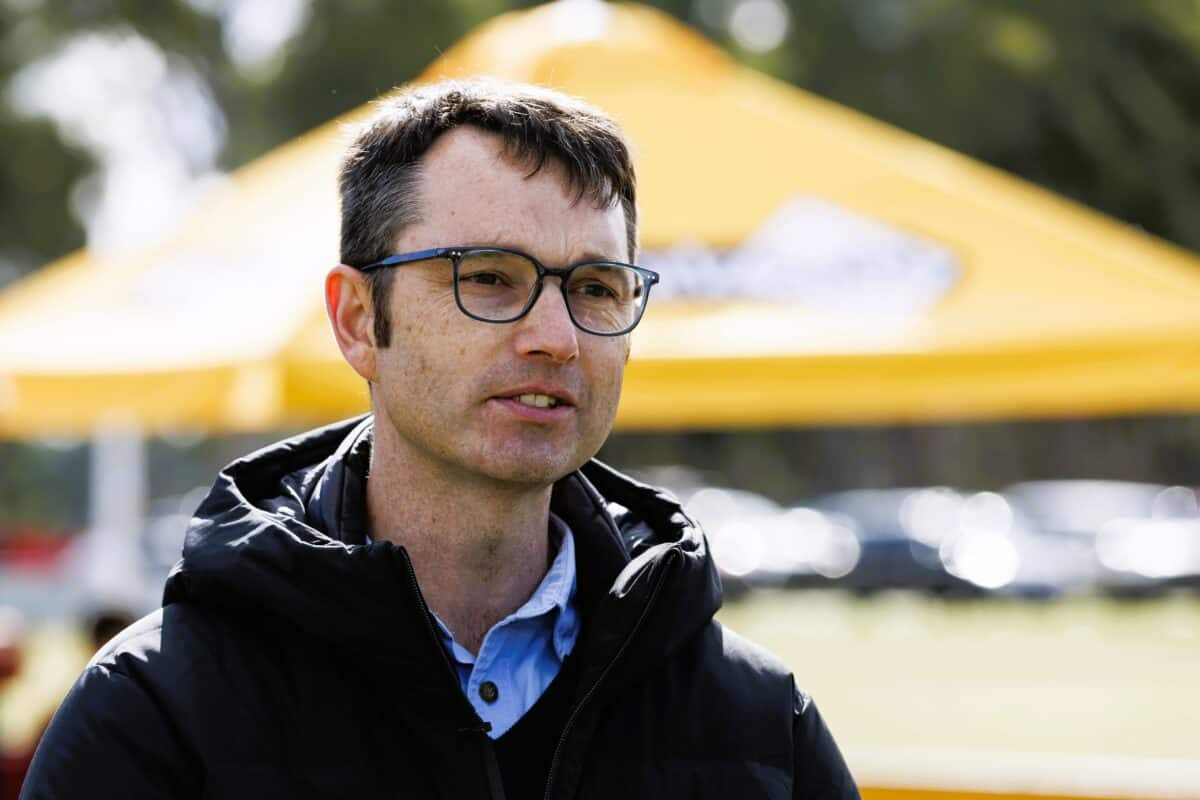
I had the opportunity to ask WorkSafe’s Chief Health and Safety Officer, Sam Jenkin (pictured above), why such a well-known workplace hazard persists.

Pop Psychology Isn’t a Safety Strategy
Last week, I attended a webinar on psychological safety that confirmed all of my worst fears about the Human Resources approach to addressing psychosocial factors and mental health at work.
When Safe Work Month Shrinks and Psychosocial Hazards Expand
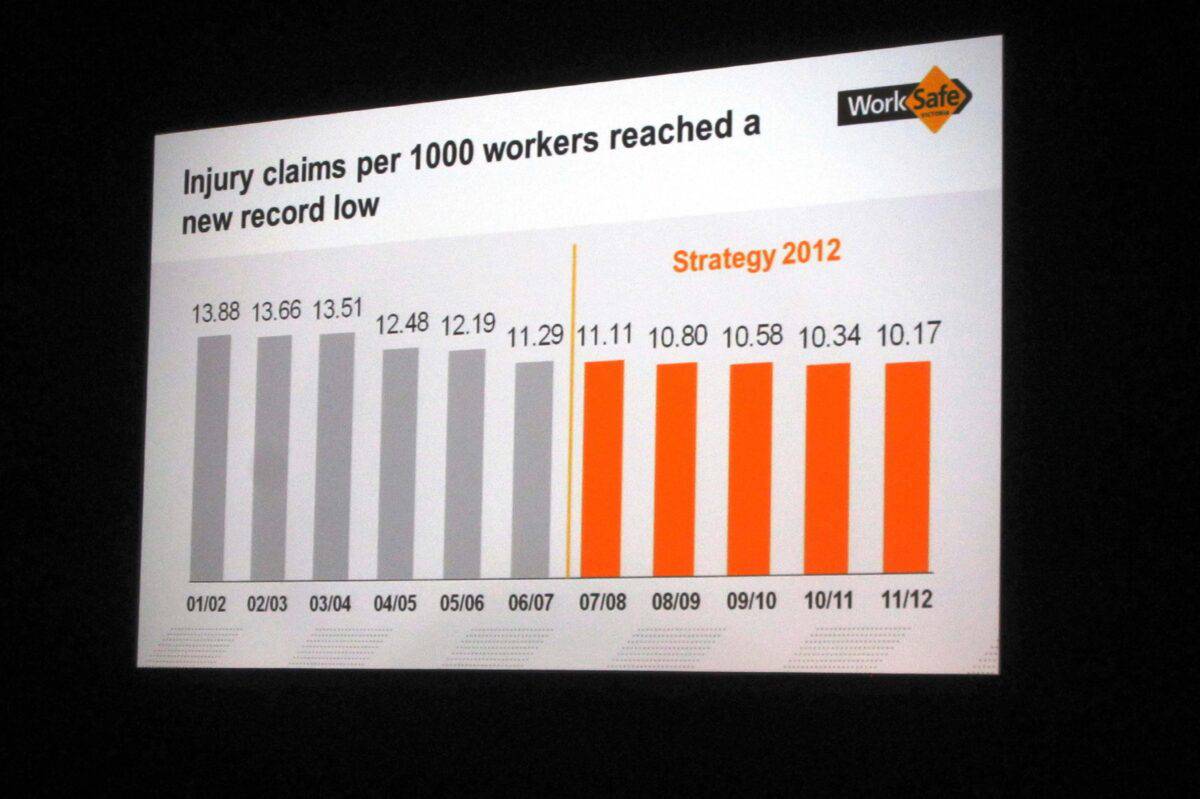
WorkSafe Victoria used to launch National Safe Work Month (or Safe Work Week as it started out) in a big way in Melbourne. They tried something similar when it relocated to Geelong, but this year, there was nothing of the same magnitude. There was some strong publicity benefit from having a big half- to full-day event at the start, but apparently, there was no additional benefit beyond that.
I would argue that the big event for this year’s safety month is the “Psychological Health Regulations: A focus on risk management” webinar on October 27, 2025. The new regulations and Compliance Code are what everyone seems to be talking about. For contrast, I have reviewed some of the presentations from the opening of WorkSafe Week in October 2012 by WorkSafe and VECCI.
Polishing What Exists: Making Sense of the New Psych Safety Code
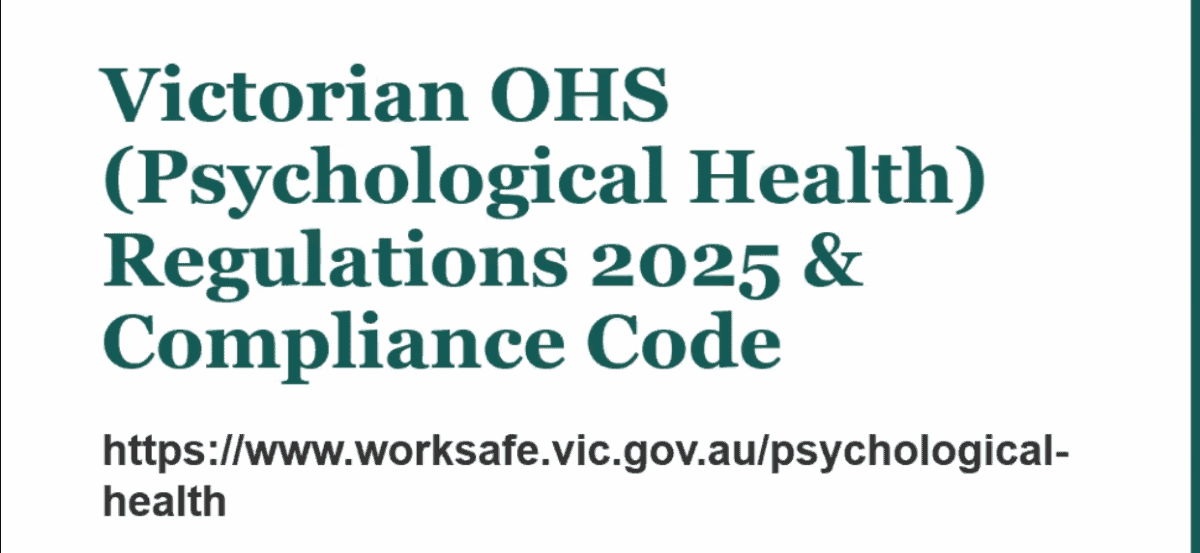
Prominent occupational health and safety (OHS) lawyers Dale McQualter and Catherine Dunlop have just concluded the first of two online seminars about Victoria’s new psychological/psychosocial regulations and compliance code. Many employers will have a lot of work to do to comply, but the overall sense was one of reassurance.
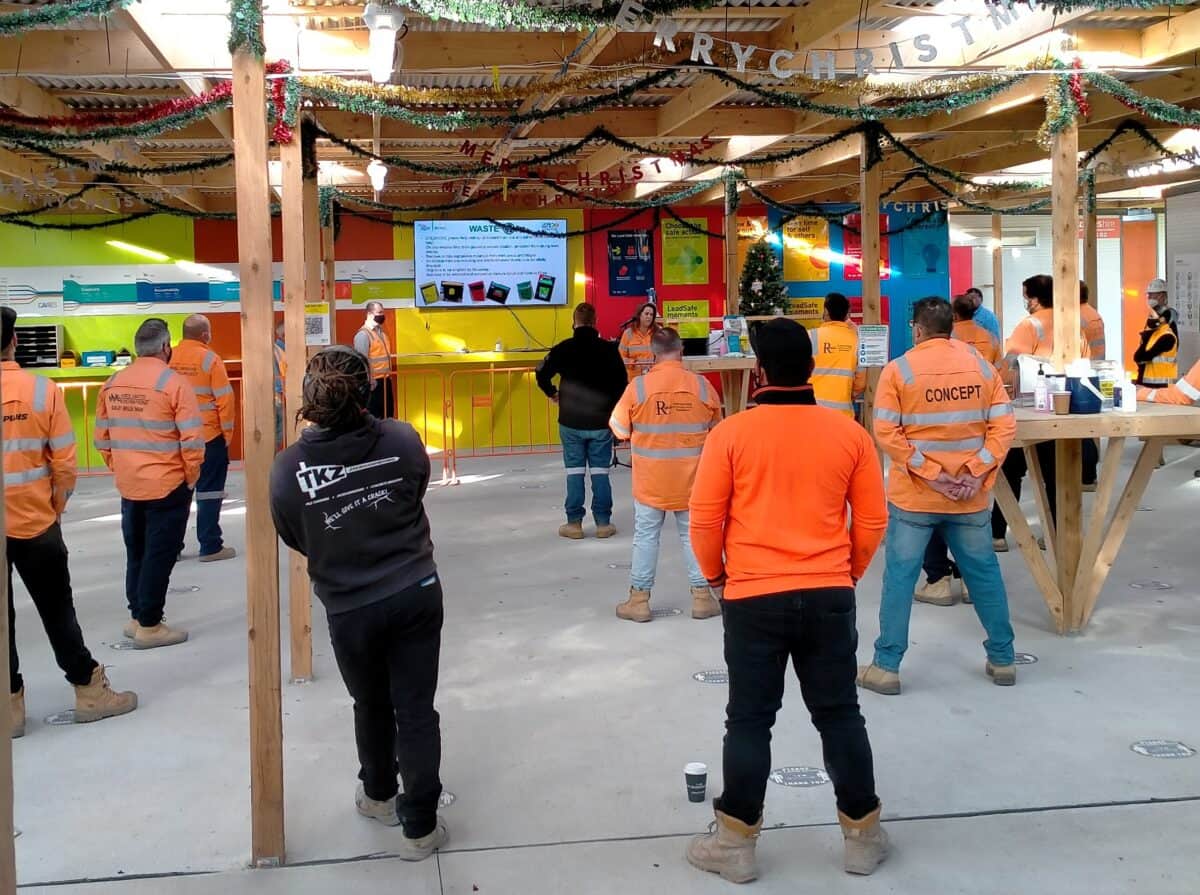
Someone should have read the instructions – OHS in COVID times
Ask someone to depict occupational health and safety (OHS) in a drawing, and the image is likely to include a hard hat, maybe some safety glasses, or hearing protection. Personal Protective Equipment (PPE) dominates the concept of OHS and how people perceive OHS, even when PPE is the last hazard control option to be considered in providing safe and healthy work.
Our relationship with PPE has forever been changed by everyone’s experience of the COVID-19 pandemic. The survivors of the pandemic are loath to reflect on those few intense years, but OHS needs to talk about the pandemic and what went right and what went wrong. Here’s a short start to the conversation.