
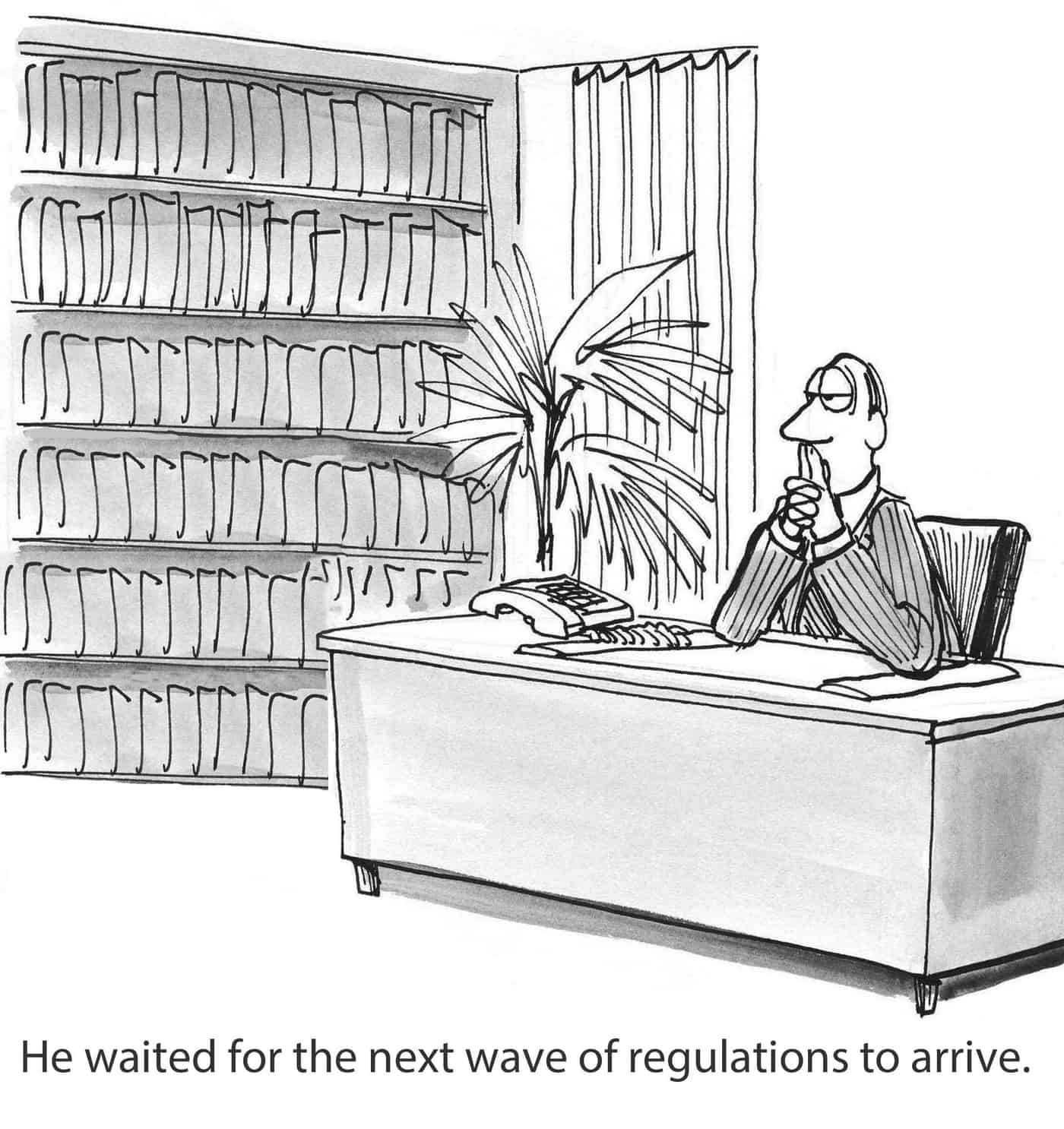
 An odd media statement was released by the Australian Chamber of Commerce and Industry (ACCI) on 23 October 2017 regarding the new international occupational health and safety (OHS) management system Standard ISO45001. Several days later Standards Australia released a statement that supported and clarified ACCI’s position
ACCI states that
“….the draft standard is still several months away from being finalised”.
 As October is Australia’s Safe Work Month there are several awards evenings. On 19 October 2017,
  The latest safety management standard
  Recently
  The launch of a “Vision Zero” campaign about occupational health and safety (OHS) was a major element of the recent
 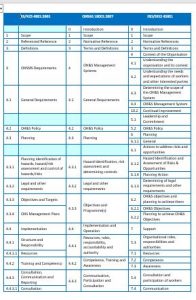 Following yesterday’s article on the impending international occupational health and safety (OHS) management Standard, ISO45001, some readers have asked for more details.