Weasel Words, OHS and the Status Quo

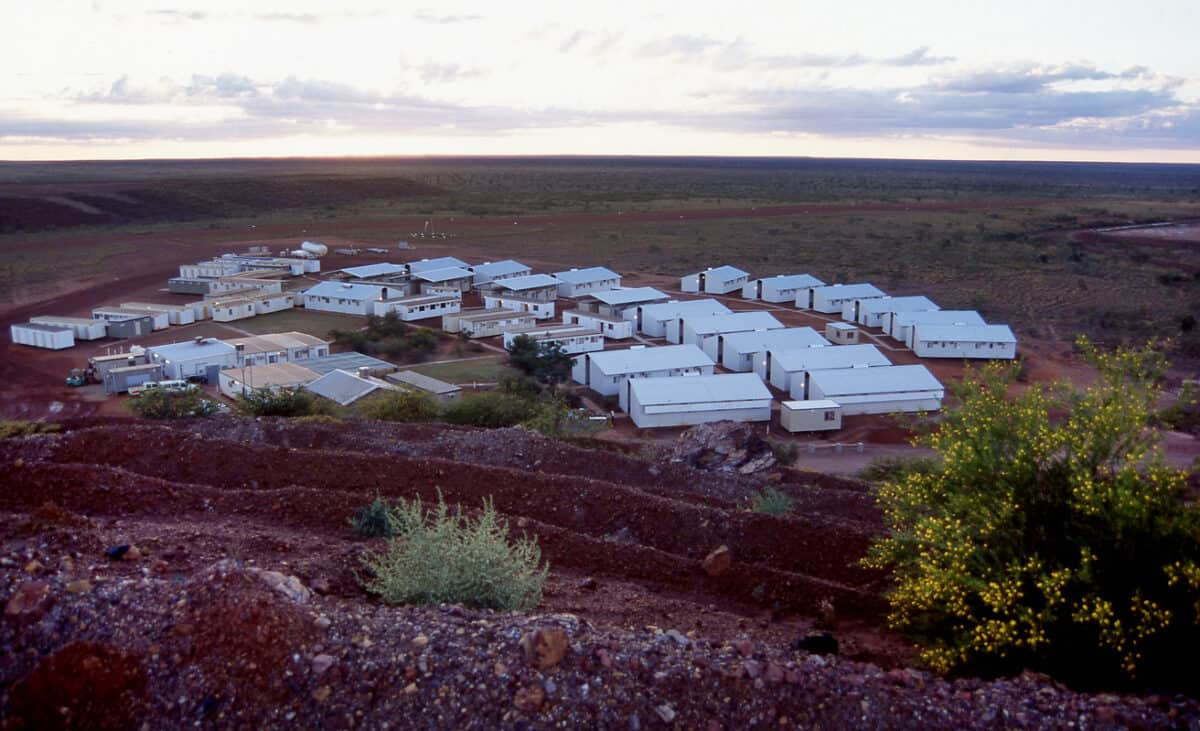
Recently the Chamber of Minerals & Energy of Western Australia (CME) released a guideline on alcohol consumption in the mining sector. It is a curious document reflecting many of the significant corporate misunderstandings about occupational health and safety (OHS).

This article is not primarily about alcohol consumption guidelines, drink limits, or snacks with alcohol or moderation. The misunderstandings are displayed through the language used in CME’s media release, which seems to be the default setting for corporate discussions of OHS.

Subscribe to SafetyAtWorkBlog to continue reading.
Subscribe Help
Already a member? Log in here

The new approach to mental health at work may need a new profession

Managing psychologically healthy and safe workplaces makes me extremely nervous. I don’t think that anyone in Australia is suitably qualified to meet the new occupational health and safety (OHS) regulations and expectations imposed by OHS regulators in response to community demands and needs. Perhaps we need a new category of professional.

Continue reading “The new approach to mental health at work may need a new profession”

You can lead an opera company to water, but you can’t guarantee it will drink

Recently accusations of bullying have been made by members of Opera Australia. The details are reported in Limelight, but the newspaper article by Nathaneal Cooper is more illustrative of the general workplace mental health challenges of those in the performing arts. Performers are one of the most visible and fragile sectors of insecure and precarious work. Solutions to hazards and clues to strategic improvements might be more evident and practical if the bullying was assessed through the prism (and legislative obligations) of occupational health and safety (OHS) and insecure work.

Subscribe to SafetyAtWorkBlog to continue reading.
Subscribe Help
Already a member? Log in here

What does the IPCC report on climate change say about work?

Global warming will affect the way we work.  This was acknowledged in the most recent report from the International Panel on Climate Change.  The 3,676-page report cited several research papers related to these changes.  Below is a list of those papers and comments on the abstracts, where available.

Vanos, J., D. J. Vecellio and T. Kjellstrom, 2019: Workplace heat exposure, health protection, and economic impacts: A case study in Canada. Am. J. Ind. Med., 62(12), 1024-1037, doi:10.1002/ajim.22966.  https://pubmed.ncbi.nlm.nih.gov/30912193/

This abstract recommends “Providing worksite heat metrics to the employees aids in appropriate decision making and health protection.” This research adds to one’s state of knowledge but may not help with which on-the-ground decisions need to be made.

Subscribe to SafetyAtWorkBlog to continue reading.
Subscribe Help
Already a member? Log in here

On mental health, everyone wants to win

In response to the first of this series of articles on Victoria’s proposed Psychological Health regulations, one reader provided an excellent outline of one of the roads leading to the proposal. It is certainly worth looking back to the Boland Review and recommendations, but it is also worth considering some of the politics around Minister Stitt’s announcement in May 2021.

Recently WorkSafe Victoria’s Principal Psychological Health and Safety Specialist, Dr Libby Brook, was interviewed on the Psych Health and Safety Podcast. In providing background to the proposed regulations, politics was touched upon, sort of, but it was good to hear directly from a WorkSafe representative on the issue and the proposed regulations. The interview illustrated some of the strengths and weaknesses in the regulations.

Subscribe to SafetyAtWorkBlog to continue reading.
Subscribe Help
Already a member? Log in here

Is red tape justified?

One of the interesting features of the Psychological Health regulations proposed by the Victorian Government last month is the requirement for employers to provide regular six-monthly reports on psychological incidents.

The Regulatory Impact Statement (RIS) states that:

“…the proposed regulatory amendments will require employers to keep written records of prevention plans for prescribed psychosocial hazards and impose reporting requirements on medium and large employers.”

page 9
Subscribe to SafetyAtWorkBlog to continue reading.
Subscribe Help
Already a member? Log in here

Will workplace psychological regulations work?

Recently the Victorian Government released its proposed Occupational Health and Safety Amendment (Psychological Health) Regulations supported by a 106-page Regulatory Impact Statement (RIS) written by Deloitte Access Economics. Public consultation and submissions are welcome up to the end of March 2022.

These regulations have been promised by the Victorian Government for some time and are likely to be debated in Parliament later in this (election) year. The RIS raises substantial questions, but the Regulations stem from primarily a political decision, so those political promises need to be examined.

This is the first of a series of articles on psychological health and the proposed regulations over the next few days.

Subscribe to SafetyAtWorkBlog to continue reading.
Subscribe Help
Already a member? Log in here
Concatenate Web Development
© Designed and developed by Concatenate Aust Pty Ltd