Yesterday, one of my LinkedIn posts reached over 20,000 impressions. The post concerned new research that questioned the effectiveness of corporate wellbeing programs. Some responses were febrile even though they had not read the open-access article! The points raised in the research were not new. Some have been covered in this blog previously, but the New York Times raised the question of the viability of corporate wellness programs in 2020.
Category: harassment
OHS seems to be no more than a “nice-to-have” to Australian politicians
Several events or non-events at the recent 23rd World Congress on Safety and Health at Work illustrated the political attitude to occupational health and safety in Australia, especially the lack of presence of national figures on official duties.
Psychosocial laws may encourage political risks
In December, Australian law firm Maddocks launched its 2023 Year in Review. Two items were directly relevant to occupational health and safety (OHS) – Sexual Harassment and Psychosocial Safety – both addressed by Catherine Dunlop. The size of the challenge ahead on both these topics was shown by the Australian Financial Review on December 7, 2023:
“Fewer than half of directors are confident their companies will be able to adhere to new workplace sexual harassment standards when they come into force next week, with just one in five female directors saying their boards understand the requirements of the new regime.”
Outside of the Maddocks launch, there is also some speculation that Victoria’s proposed psychosocial regulations may never happen.
I found love and protection at the World Congress
Practicing my own advice of talking with people you don’t know at conferences, last night at post-conference drinks, I was told about love and protection.
Plain speaking on mental health v nuance
Plain speaking is one of the greatest challenges of any profession. Many professionals struggle to communicate their excellent work and knowledge which has created the moves for Research-To-Practice and specialised communicators (as opposed to public relations advisers). Human Resources (HR) and Occupational Health and Safety (OHS) need communications specialists, or perhaps just interpreters, if a recent article on workers compensation and mental health is anything to go by.
If we are going to achieve a successful and effective change on workplace mental health, we need to start to understand each other.
“..what it means to act like a man and what it means to work safely..”
Ten years ago, I was enlightened by a presentation on masculinity and occupational health and safety (OHS) by Dean Laplonge at a safety conference in Canberra. He has continued researching that interconnection, and visiting WA and recently released his latest report written for WorkSafe WA after a series of “roadshows”.
After years of scandals in what has been described as the epitome of toxic masculinity, the West Australian mining industry claims to have changed its culture and created a psychologically safer work environment. Culture-As-Usual was not an option after multiple exposures of work-related suicides, sexual assaults, and harassment uncovered by independent and parliamentary inquiries. Laplonge revisited Western Australia and reported on the progress.
WorkSafe Victoria’s Director of Investigations says “Culture is nirvana”
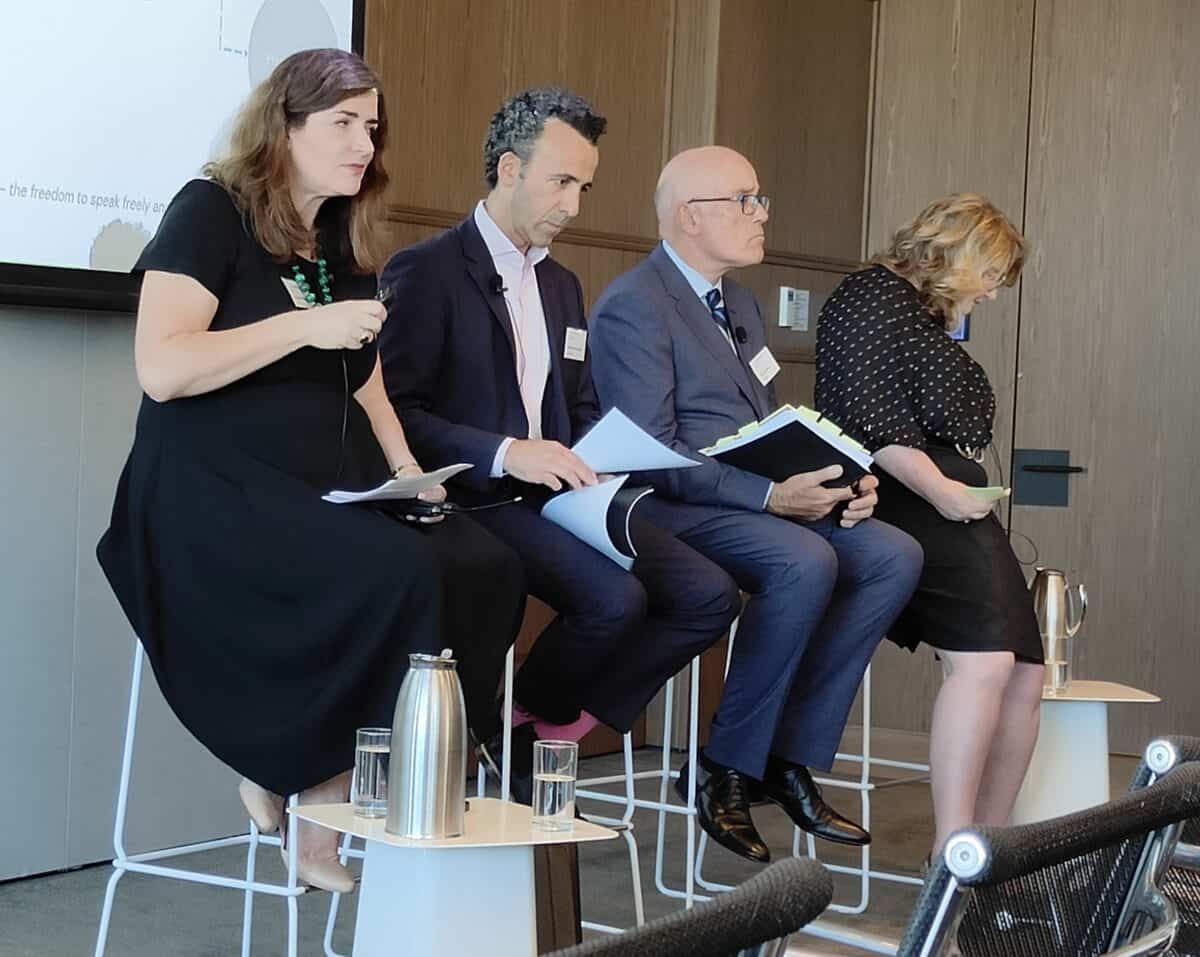
Every so often, the spokespeople for occupational health and safety (OHS) regulators spread the public speaking load by having divisional heads speak at health and safety events. This week WorkSafe Victoria’s Director of Investigations, Peter Collins (pictured below), spoke at a breakfast seminar for the Australian Institute of Health and Safety, hosted by Herbert Smith Freehills. His presentation seemed like a prepared generic presentation which was okay but uninspiring. Given the nature of the investigations and prosecutions job, it should not have been a surprise that Collins was restricted on many of the topics he could speak of.
These AIHS seminars have been running annually for around 15 years and the Institute for decades, so there are some in the audience with long memories. Collins mentioned the persistent workplace hazards, such as manual handling and falls from heights, and