Further to last week’s article about occupational health and safety (OHS) in horse racing, Minister Pettersson provided clarification to the ACT Parliament, sort of.
Category: hazards
OHS Law Was Meant to Empower, Not Excuse
Australian occupational health and safety (OHS) laws require employers to be compliant with their OHS duties, but also allow the flexibility for employers to determine their own level of compliance. This has complicated OHS because employers can never be sure that they are in compliance. Compliance and non-compliance are usually determined accurately through the courts after legal action by the OHS regulatory agency and after a workplace incident. This uncertainty is compounded for small business owners who just want to be told what to do to be compliant.
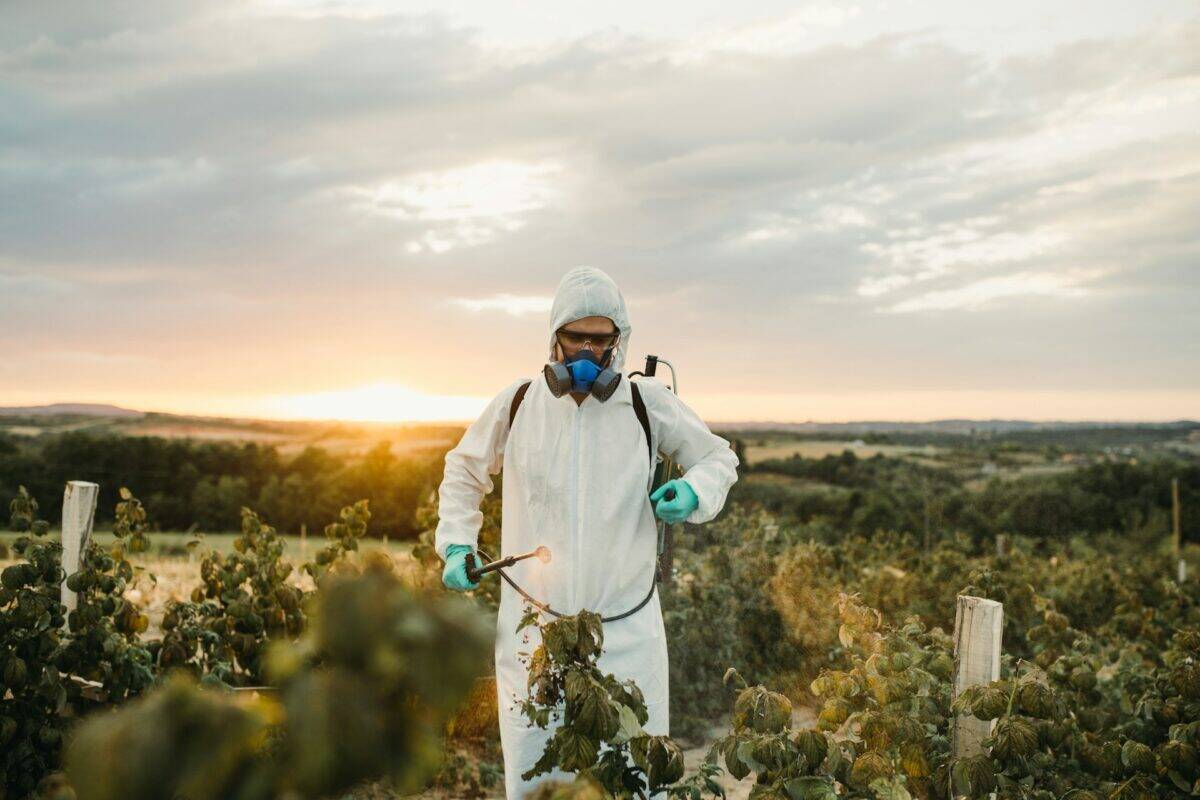
Perhaps the most challenged industry sector is farming, which cannot avoid the uncertainty that the OHS laws provide. This uncertainty is one that highly-resourced employers are proud to claim as a well-fought-for benefit, namely, flexibility, but it is more of a problem for isolated rural workplaces and small businesses.
Why Leaders Still Miss the Hazards That Matter
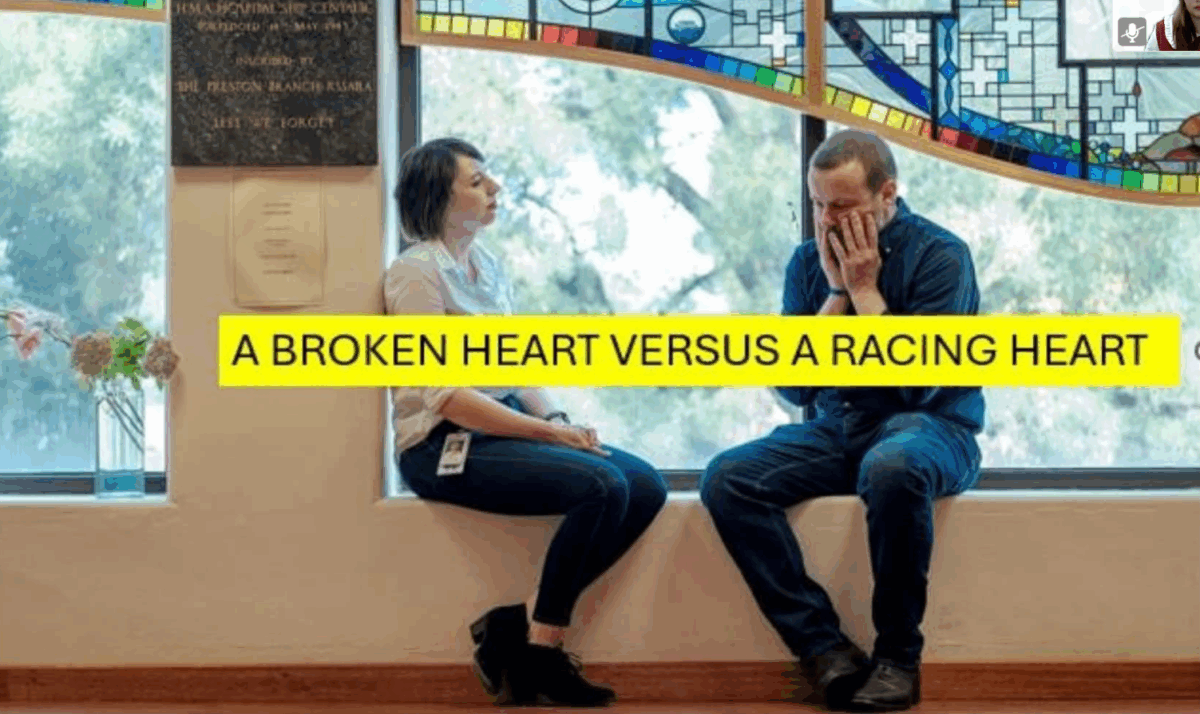
We know what employers/leaders do or do not do about psychosocial hazards at work and the psychological impacts. But there is still insufficient discussion on why those leaders make those choices. Recently, Dr Caroline Howe came close to answering the “why” in a blog article for her Psychosocial Safety and Leadership Institute.
Insights and Innovation from the 2025 Victorian Safety Symposium
The Australian Institute of Health and Safety (AIHS) state branches conduct local single-day symposia annually. These networking and professional development sessions are important opportunities for practitioners of occupational health and safety (OHS) to connect and learn.
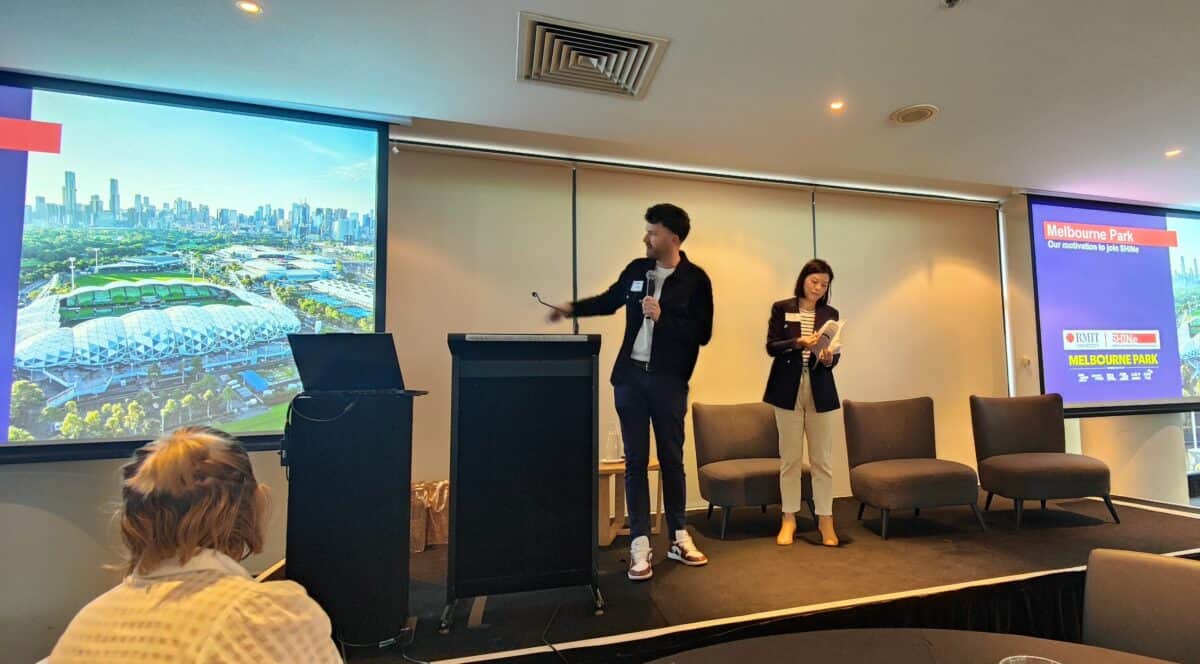
The good presenters were very good at the Victorian Branch symposium in September.
Beyond Compliance, Rethinking Safety Culture and Legal Reform
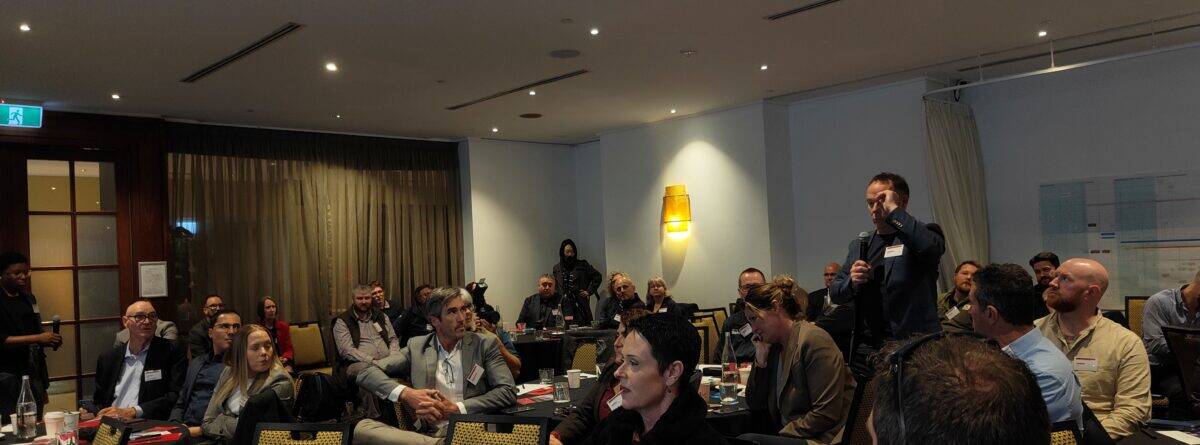
Earlier this week, I was a panellist at an occupational health and safety symposium organised by the Victorian Branch of the Australian Institute of Health and Safety. We were asked to be challenging and provocative in our perspectives on the evolution of OHS and OHS law in Victoria since the start of the century.
Heat, Harm and the Cost of Denial
As Victoria shivers in the middle of its Winter and a cop-killer runs loose in the mountains in the middle of the state, it may seem odd to think about the occupational health and safety (OHS) context of working in excessive heat. However, give us a couple of months, and it will be a hot topic again in the Southern Hemisphere. (First and last weather pun, I promise)
A recent article in The New York Times (paywalled) examined excessive heat in Spain, providing useful details on the changes being implemented—some old, some new.
When Safety Is Optional: The OHS Blind Spot in Childcare Abuse Reform
Improvements in safety and health at work are almost always begun after fatalities, catastrophes and scandals. This says much about the prominence of occupational health and safety (OHS) in Australian society. The latest industrial scandal is in the childcare industry. Non-compliance with safety requirements was exposed in March 2025, but now allegations of sexual abuse of babies, toddlers and children have been levelled against several workers. The industry and the governments that oversee it are struggling to identify solutions. OHS can provide a legal and managerial framework, as determined in a safety review published only last week.