

For decades, countries around the world have required that major projects undergo an assessment before they can proceed. Australia has gone further, with the once‑in‑a‑generation reforms to the Environment Protection and Biodiversity Conservation Act 1999 passing Parliament in November 2025 and rolling out through 2026. These reforms introduced legally binding National Environmental Standards and a new National Environmental Protection Agency. So here’s the question we keep dodging: why don’t we also have Safety Impact Assessments (SIA)?
Category: hazards

The Cost of Ignoring Basic OHS Controls
A recent occupational health and safety (OHS) prosecution over a quad bike fatality gained some mainstream media attention, primarily due to one of the owners being an independent New South Wales politician, Helen Dalton. Strip out the political newsworthiness, and there are some serious OHS lessons for all employers to be learned from the Court judgement.

Blocking and Influencing = the Challenge of OHS
Earlier this year, the Central Safety Group‘s (CSG) monthly guest speaker was Helen O’Keefe, a recruiter. She offered insights into how occupational health and safety (OHS) personnel may be perceived by certain employers. The phrase that pricked my eyes was “blocker”.

Eliminating Concussion and CTE From Australian Rules Football
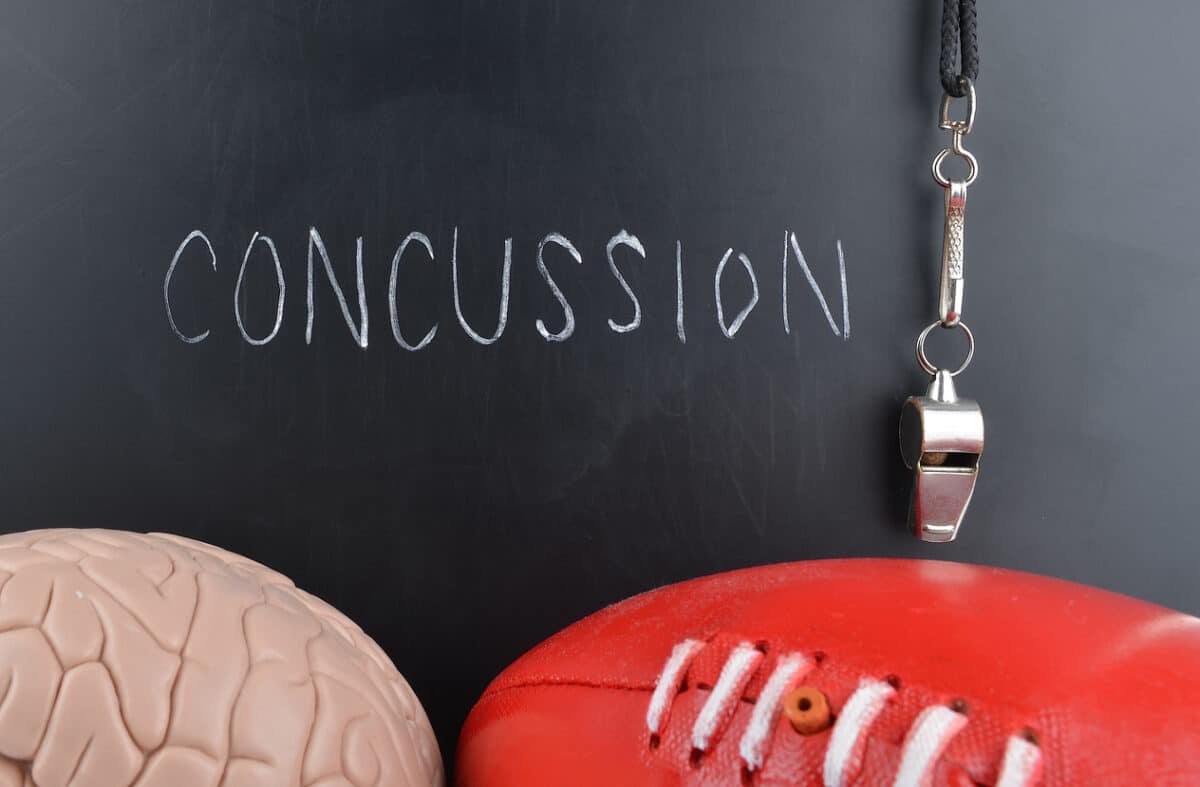
Every time a sporting body is confronted with concussion data, someone inevitably asks whether the game can be played without the risk. In most industries, that question is the starting point for a “so far as is reasonably practicable” (SFAIRP) analysis. In sport, it’s treated as heresy. But if we apply the same occupational health and safety (OHS) logic to Australian rules football that we apply to construction, mining or manufacturing, the answer is, if you want to eliminate concussion and the risks of chronic traumatic encephalopathy (CTE), you have to eliminate the mechanisms that cause it. And once you do that, you no longer have the game as we know it.
AFL, CTE and SFAIRP: When “the rough and tumble” becomes a foreseeable harm
The death of 23‑year‑old footballer Nick Lowden should force the Australian Football League (AFL) and every sporting body that claims to care about player welfare to confront the fact that the risks of brain injury in Australian football are no longer mysterious, emerging, or debatable. They are foreseeable, documented, and cumulative. And once a risk is foreseeable, the occupational health and safety (OHS) duty to eliminate or minimise it so far as is reasonably practicable (SFAIRP) applies.
A Four Corners investigation to be broadcast on June 29, 2026, examines Lowden’s death. (This article is based on some preliminary reporting on the issue by the Australian Broadcasting Corporation)
What OHS can learn from Charles Dickens
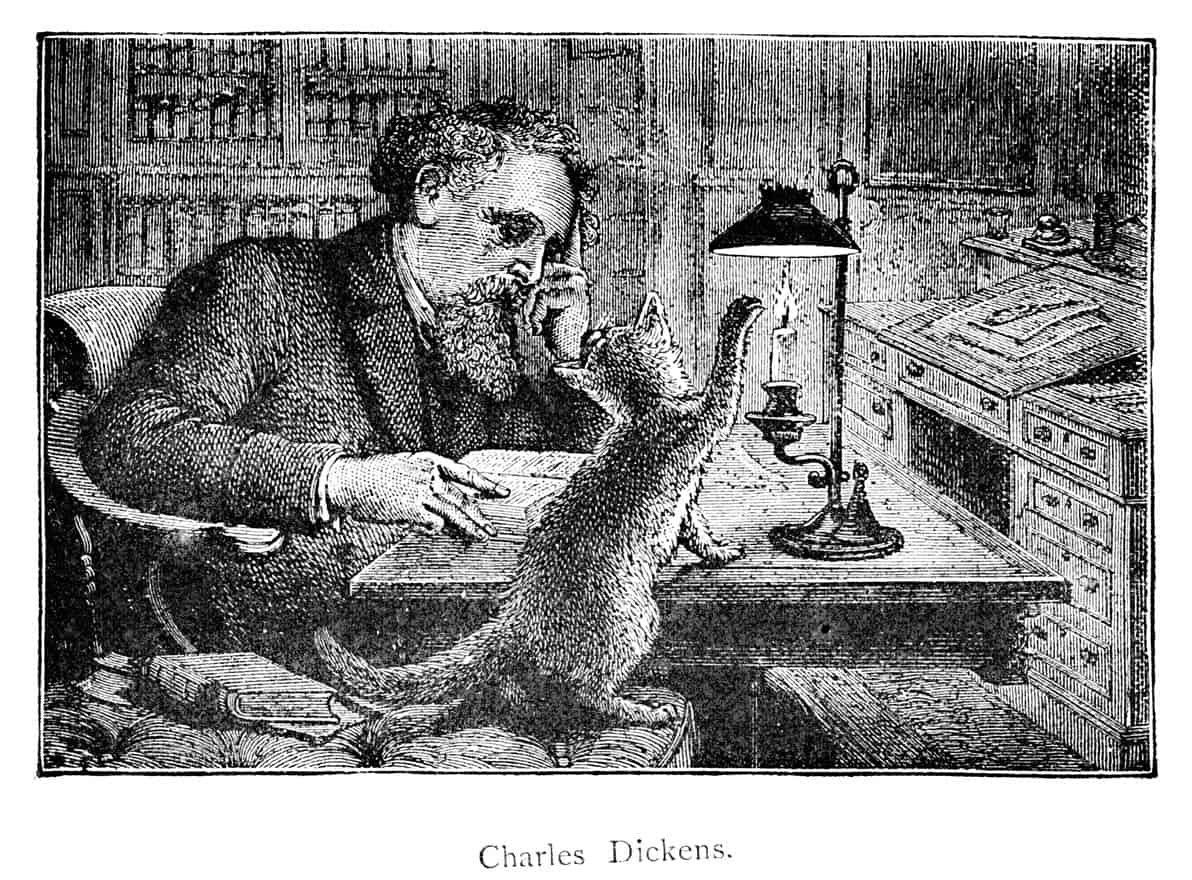
Author Charles Dickens is often cited for his description of and opposition to the working conditions in his time – child labour, executive (im)morality, excessive workload, and poor working conditions. However, the image that has always stayed with me is the Circumlocution Office described in Little Dorrit.

What was Missing from the Bullying and Harassment Conference?
The IAWBH2026 sessions offered a revealing snapshot of how international practitioners are grappling with bullying, harassment and gendered violence at work—and how closely these discussions align with Australia’s psychosocial‑hazard framework. Several presentations landed squarely within the Australian work health and safety (WHS) model, particularly those that treated these issues as structural hazards requiring organisational controls. Sapphire Parsons’ argument that gendered violence demands primary prevention, equitable decision‑making, and action on power imbalances mirrors the prevention‑first duties under Australian safety law.
However, there were also indications of how far the change has to go.
Continue reading “What was Missing from the Bullying and Harassment Conference?”