Workplace mindfulness? The jury is still out

At a well-attended La Trobe University alumni seminar in May 2017, researchers discussed the reality and the hype surrounding mindfulness. They explained the varieties of mindfulness, the clinic research history over the last four decades and the personal advantages of living mindfully. However in the workplace and organisational context, they said that there was insufficient evidence to show benefits from workplace mindfulness in this “emerging area of research”.

The seminar was hosted by Latrobe University with three speakers

Many mindfulness advocates have developed programs that they claim can offer substantial benefits to workplaces by increasing productivity and reducing injury and illness, primarily, by changing the behaviours and attitudes of employees.  This individual approach is often dropped into a workplace and promoted as an organisational opportunity.  But the La Trobe researchers mentioned that this is a very recent perspective.
Subscribe to SafetyAtWorkBlog to continue reading.
Subscribe Help
Already a member? Log in here

How will “independent workplace facilitators” improve OHS?

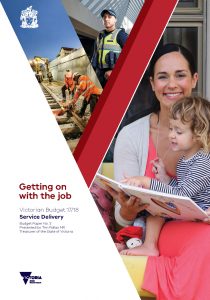
Every government releases a great deal of information, particularly around budget time and occupational health and safety (OHS) funding often gets missed in the overviews and media discussion.  The Victorian Government’s budget papers (Budget Paper No. 3 – Service Delivery) for 2017 included A$3 million to the Department of Health and Human Services (DHHS) for

“Addressing occupational violence against health workers and workplace bullying” (page 78)

There is no doubt that such funding will help improve OHS but it also seems odd, given some of the recent incidents and riots,  the corrections and prison services received no specific OHS funding. The introduction of “a trial of independent workplace facilitators” is also intriguing.

Continue reading “How will “independent workplace facilitators” improve OHS?”

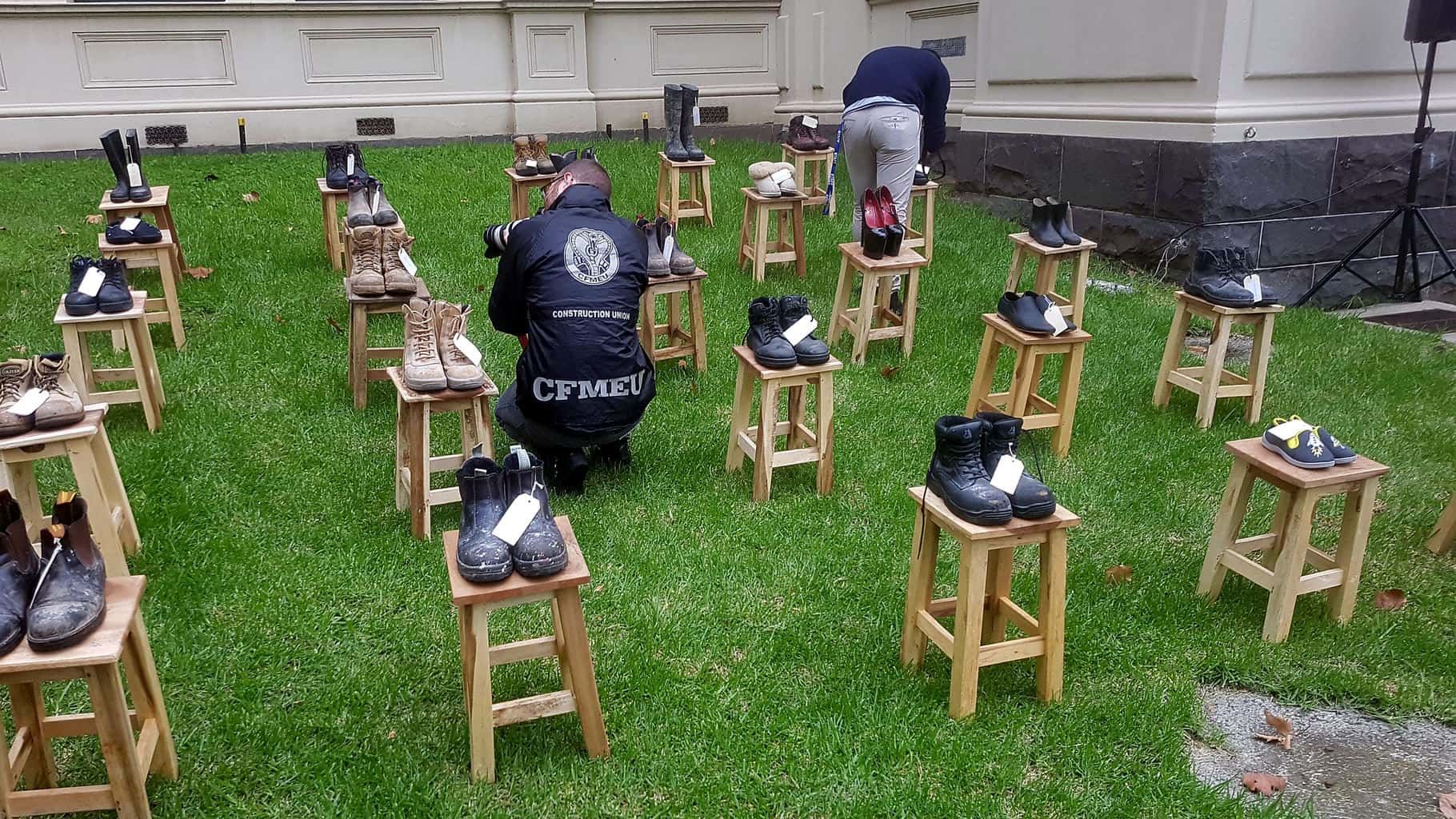
Trade unions offer alternative, more accurate(?) workplace death statistics

The Victorian Trades Hall Council (VTHC) indirectly acknowledged the ILO theme for World Day for Safety and Health at Work in its media release for International Workers Memorial Day 2017.  The ILO was calling for more, and better, data on workplace injuries and illnesses.  VTHC questioned the official workplace fatality numbers issued by the government.  It stated:

“A VTHC analysis shows that in 2016-17 over 200 Victorians died as a direct result of Workplace injury or illness, although the government’s official tally for the year is just 26.”

This disparity needs to be discussed across jurisdictions because occupational health and safety (OHS) data has always been incomplete, a fact acknowledged by many government inquiries in Australia for many years.  

Subscribe to SafetyAtWorkBlog to continue reading.
Subscribe Help
Already a member? Log in here

safetyculture clarifies its approach to SWMS

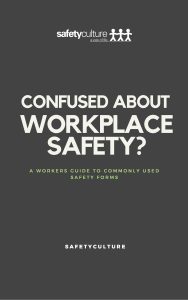
On May 1 2017 safetyculture released an e-book called “Confused about Workplace Safety?” intended to address questions commonly asked of them.  The topic of most interest is their advocacy of Safe Work Method Statements (SWMS), an activity discussed earlier by SafetyAtWorkBlog.

safetyculture states up front that SWMS are for “high risk construction work” as defined by occupational health and safety (OHS) legislation and lists the activities that make up high risk construction work. But then poses a confusing question:

“So why did my principal contractor request that I supply a SWMS for the plastering or turf laying job I just did?”

Subscribe to SafetyAtWorkBlog to continue reading.
Subscribe Help
Already a member? Log in here

Big business seminar adds to OHS knowledge library

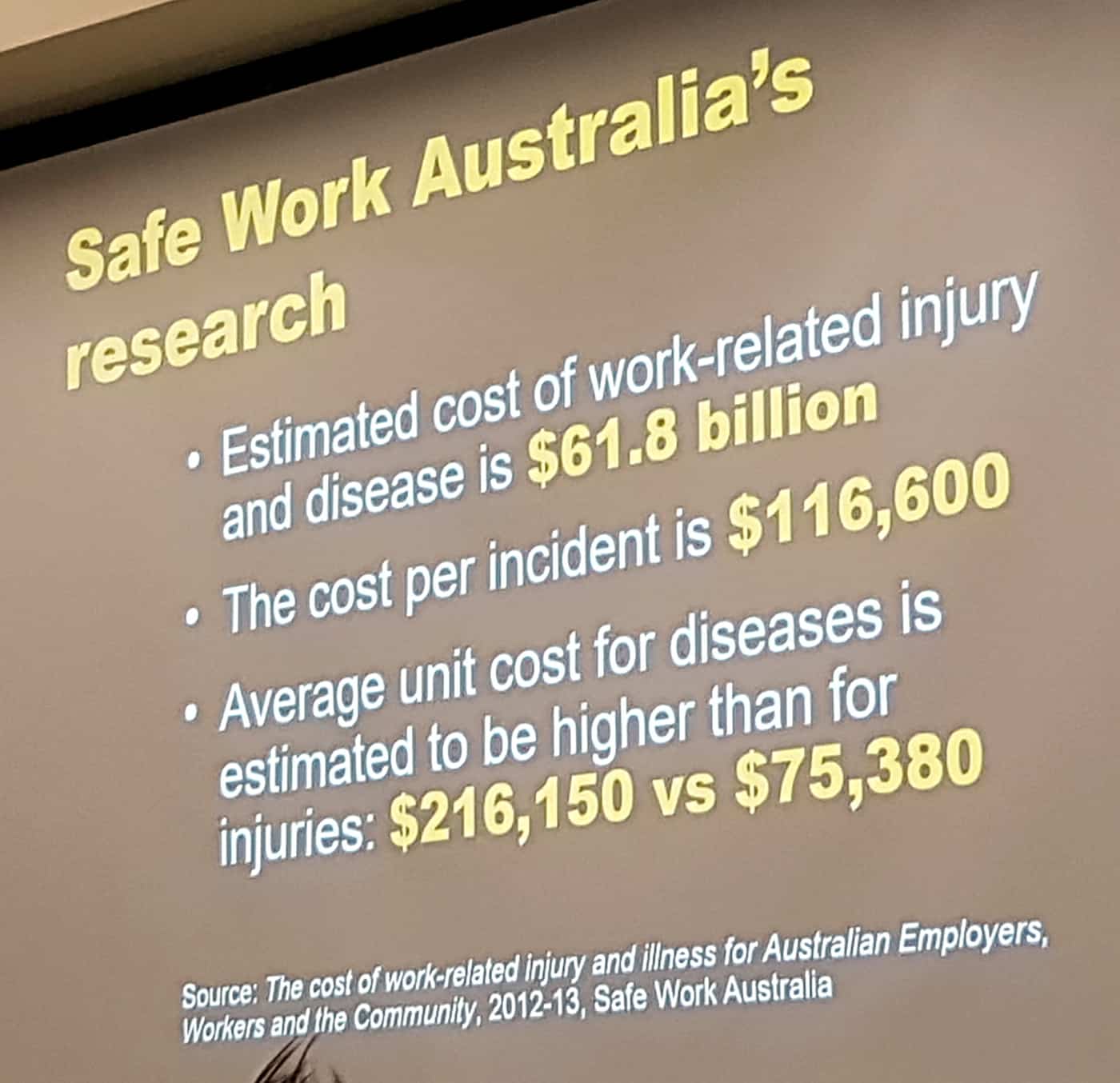
The latest broadcast in Safe Work Australia’s Virtual Safety Seminar (VSS) series is aimed at the executive level of management and entitled “Why big business needs to lead work health and safety“. One of the attractions of the VSS is that Safe Work Australia is able to draw upon senior and prominent business leaders who do not often talk occupational health and safety.

This seminar included contributions from Diane Smith-Gander, Dean PritchardMarcus Hooke and was hosted by Jennifer Hewett.

Several important perspectives were discussed that would be helpful to the intended audience but there were also some comments that deserve contemplation.

Subscribe to SafetyAtWorkBlog to continue reading.
Subscribe Help
Already a member? Log in here

Hi-viz and safety – it’s all about the context

High visibility clothing has spread from the work site to the public arena and, as such, has complicated the reasons for hi-viz clothing.  However the fundamental underpinning of high-viz is to contrast against the surrounding environment. This contrast does not only relate to clothing but also signage.

Several years ago, a couple of women from Tasmania visited the offices of SafetyAtWorkBlog to discuss the practicality of hi-viz vests for toddlers and small children.  The hi-viz logic of the work site is easily applied to the public park or farms.  A contrasting colour to the trees or bushland would make it easier to identify someone, like a wayward child.  On a work site, the hi-viz is more about identifying a hazard, whether that be a person, an overhead wire or a work boundary.

Subscribe to SafetyAtWorkBlog to continue reading.
Subscribe Help
Already a member? Log in here
Concatenate Web Development
© Designed and developed by Concatenate Aust Pty Ltd