
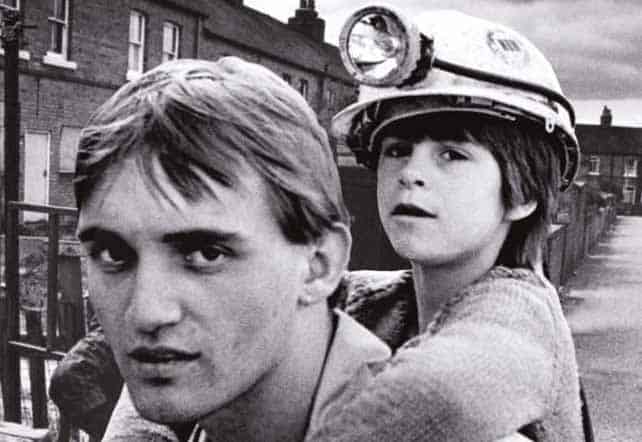
In 1984 I was in England during the miners’ strike, a period of profound social and political change in the United Kingdom. The politics of that period have always fascinated me, but my profession has also caused me to look at some of the attitudes to occupational health and safety (OHS). While holidaying recently in the UK, I purchased Backbone of the Nation, looking at both the politics and safety.
Category: industrial relations
OHS is politics
Jordan Barab is a major voice in occupational health and safety (OHS) in the United States. This year he chalks up 20 years of his Confined Spaces blog. His latest year-in-review article includes a political perspective that Australian OHS professionals and institutions should consider.

An industrial relations perspective on psychosocial hazards
The prevention of workplace psychosocial hazards will be an increasing issue of concern and debate in 2024 as more Australian jurisdictions re-emphasize the application of occupational health and safety (OHS) laws to this insidious hazard. That debate requires a broad range of voices to better understand prevention strategies and to assess existing strategies that have failed or impeded progress. Emeritus Professor Michael Quinlan is one such voice, especially in his recent article, “Psychosocial Hazards: An Overview and Industrial Relations Perspective”.
[Note this article discusses work-related suicide]
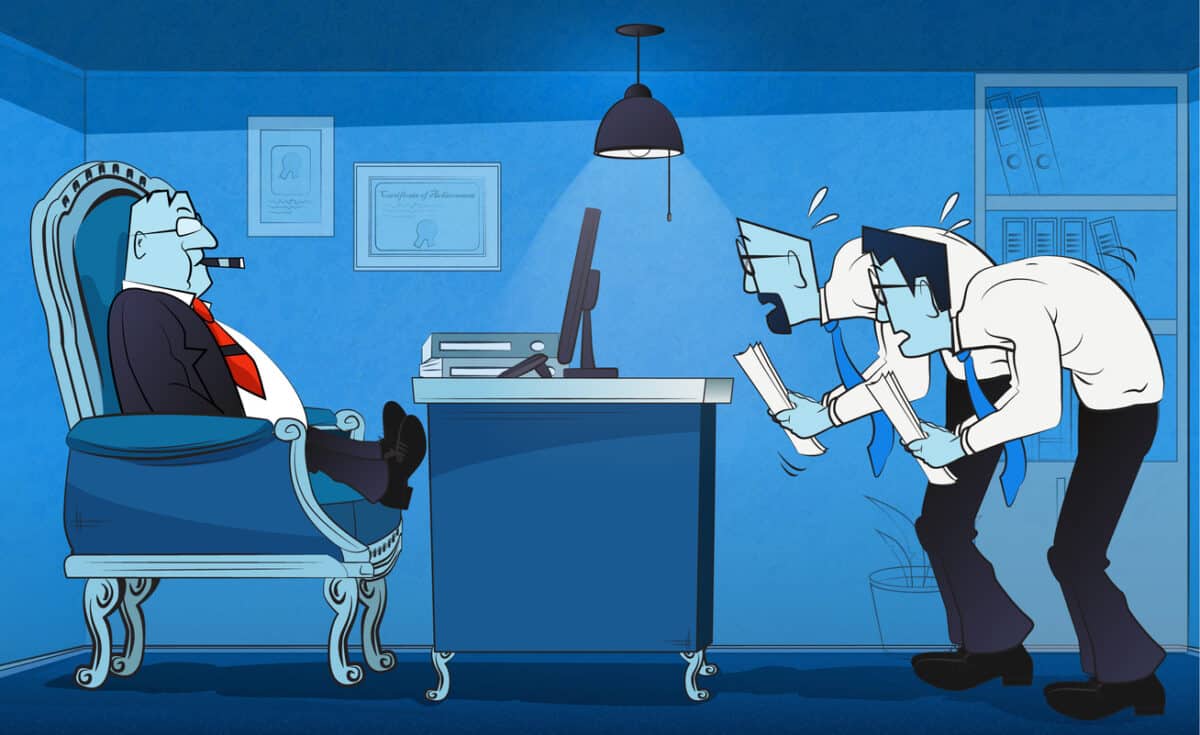
“made through the blood of the workers who never came home”
Last week, the Australian Parliament passed a tranche of industrial relations laws; laws that were, unsurprisingly, objected to by some business groups but included some occupational health and safety (OHS) contexts. Industrial Manslaughter was the obvious one, but pay equity and increased job certainty, if not security, for some industry sectors, has the potential to reduce job stress.

OHS seems to be no more than a “nice-to-have” to Australian politicians
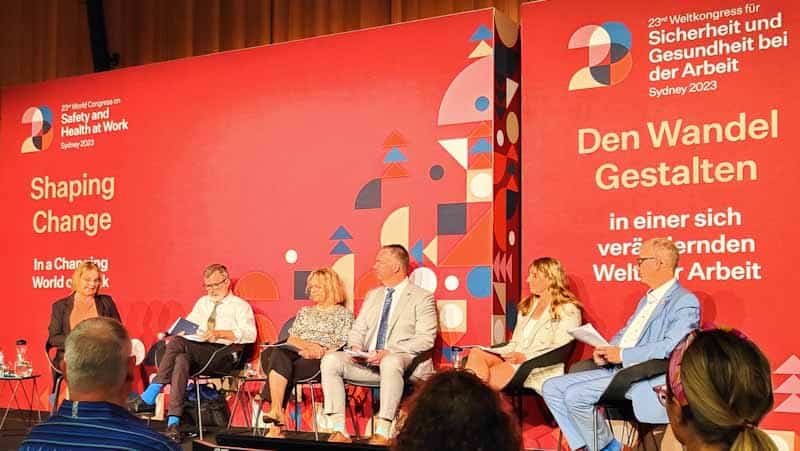
Several events or non-events at the recent 23rd World Congress on Safety and Health at Work illustrated the political attitude to occupational health and safety in Australia, especially the lack of presence of national figures on official duties.

Calculate the cost of your overwork
Long working hours have been identified as a major contributor to poor workplace mental health. International benchmarks have been identified as tipping points for mental health. A local Australian initiative to highlight the risks associated with overwork is Go Home on Time Day, which The Australia Institute supports.
Fewer companies than when the day started in 2009 seem to be supporting and promoting the day in their wellbeing calendars. Perhaps because the day identifies the shameful fact that employers will not stop workers from working long hours “if the workers choose to” even though the evidence is that the practice is harmful.
Its working hours calculator is a major part of the Go Home on Time Day initiative.
Rory O’Neill provides a spark
Rory O’Neill was a member of a panel at the 23rd World Congress for Safety and Health at Work, ostensibly, about Safety in Design in high-risk industries. It is fair to say he was expansive, engaging and provocative. It was a rare opportunity to hear him speak in person. Below are some examples of his challenging and, in some ways, traditional approach to occupational health and safety (OHS).