

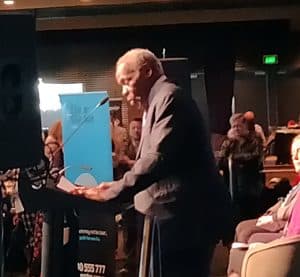
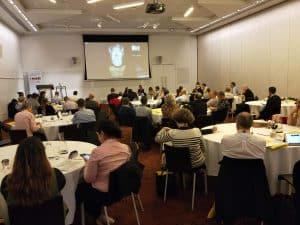
Day One of the Australian Council of Trade Unions’ Congress was memorable for a couple of reasons. The appointment of Michele O’Neil, pictured right, as the President was a notable achievement, one made more memorable as she denied any desire to move onto a political appointment. The other memorable event was a string of shopfloor representatives outlining their innovative approaches to the recruitment of members and the creation of (sub)unions for hospitality workers, hairdressers and indigenous workers in the Northern Territory.
Workplace safety was mentioned a couple of times in passing but occupational health and safety (OHS) seems to becoming more a thing that is, rather than a thing that is named. If we look for it, we find it.
 Let’s acknowledge the problems with this year’s
  One of the Select Committees of the Australian Senate is conducting an inquiry into the “
 The primary occupational health and safety (OHS) duty rests with employers or, as they are known in most Australian jurisdictions, Persons Conducting a Business or Undertaking (PCBU). Laws are based on an assumption that employers are aware of this duty and that this duty, to provide a safe and healthy work environment without risks to health, reflects the employer’s social position and social responsibility or the company’s “
 There seems to be a growing community frustration with regulators who hesitate to prosecute breaches of laws, including occupational health and safety (OHS) laws, and about options that sound reasonable, like