
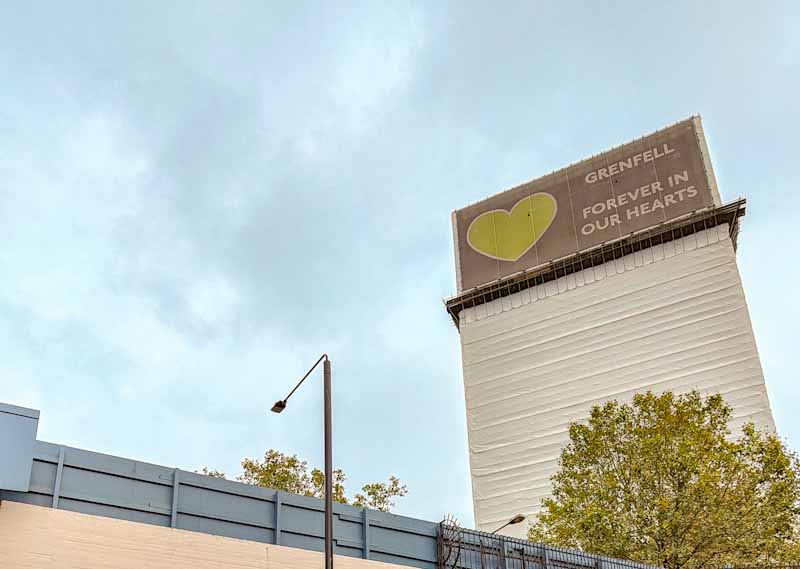
The inquiry report into the Grenfell Tower fire has yet to be seriously considered from the other side of the world. However, the report is being mentioned in Australia’s emergency services and fire sectors. The inquiry has been thoroughly followed and analysed in the United Kingdom, and many excellent summaries have been published in newspapers, books, and podcasts. Australia’s cladding debate has not been to the same extent as the UK. Still, the UK’s structures, policies, processes, business ethics and neglect are certainly mirrored in Australia, which directly impacts how workplace health and safety operates here.
Category: Investigation
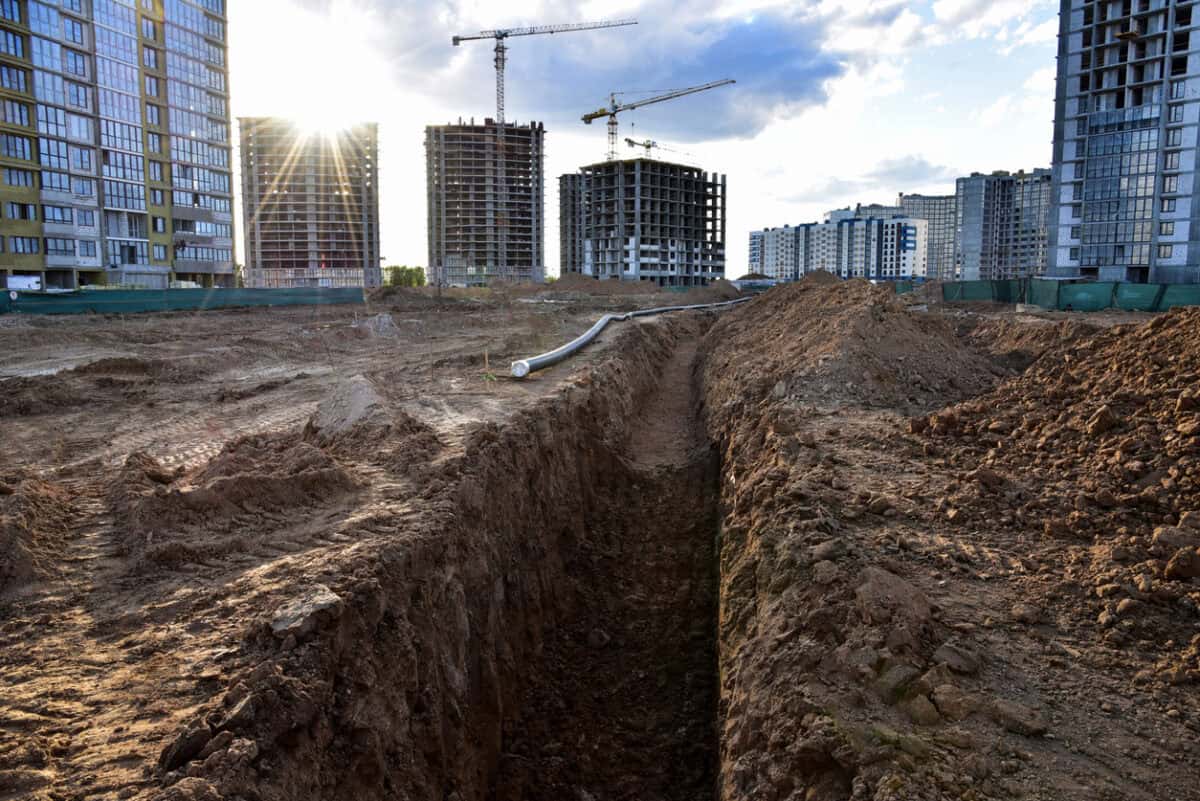
Trenching deaths and radio report
I am a fan of NPR’s radio program, All Things Considered. Occasionally, it reports on workplace health and safety matters. On July 19, 2024, it reported on the unacceptable number of deaths from trenching activities in the United States. The content was shocking and disappointing (the default setting for many reactions to occupational health and safety (OHS) matters), but the report’s format is an excellent example of journalism.
New vehicle suicide data may need us to broaden our investigations
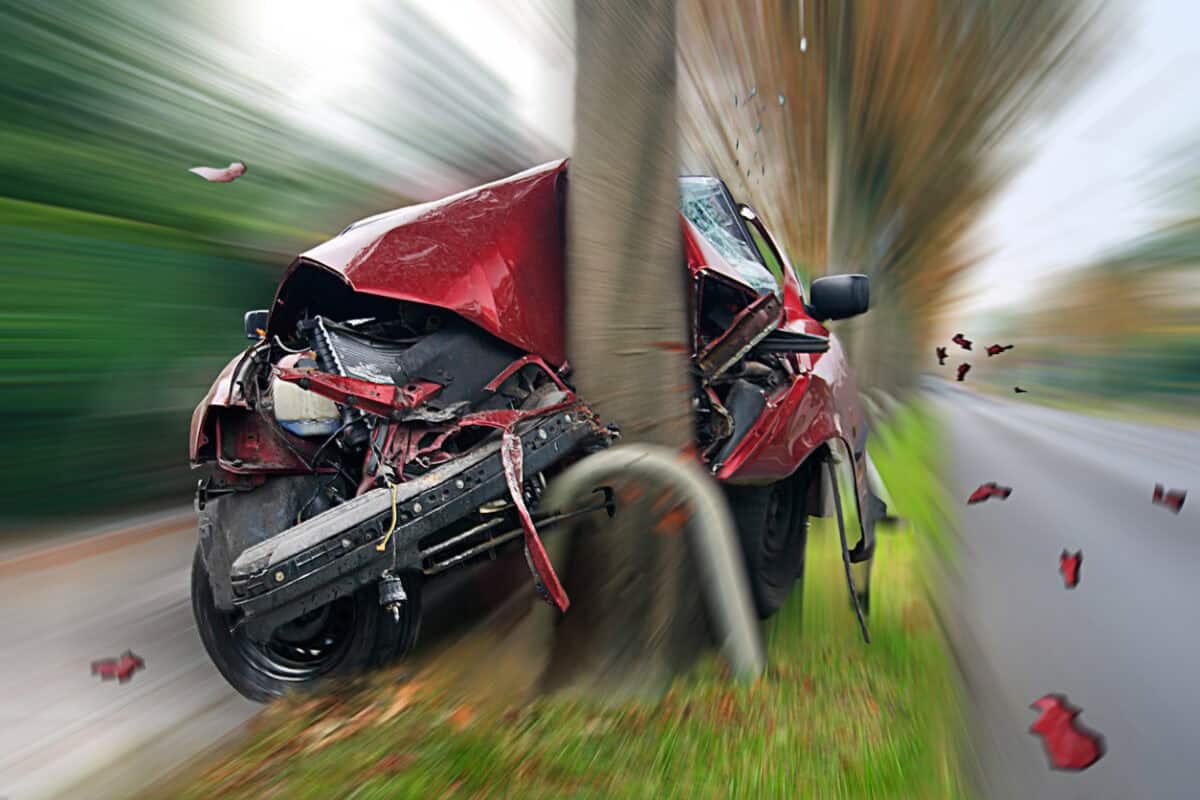
Recently published research into road vehicle collision suicides in Australia may have an occupational health and safety (OHS) relevance.
(This article discusses suicide]
Evaluating the effectiveness of OHS interventions and programs
Last month, an extraordinary document appeared – “Evaluating OH&S Interventions: A WorkSafe Victoria Intervention Evaluation Framework 2023 (2nd Ed.).” Its extraordinariness comes from its appearance with no fanfare or promotion; it is a second edition of something published in 2004 (which I cannot recollect), it has authoritative authors, and it is a document many have been asking for.

Toothless enforcement
Ross Gittins is a prominent Australian economics journalist. In The Age on September 20, 2023, he wrote an article about the recent spate of corporations being prosecuted and penalized for breaking the law. Many of his points can also relate to companies and executives breaking occupational health and safety (OHS) laws.
Continue reading “Toothless enforcement”
Have Tourists and Party Goers Lost the Right to Safe and Healthy Experiences?
Last year I watched Trainwreck, a documentary on the Woodstock ‘99 music festival. After watching, I took a moment to pause and reflect. I asked myself, have we as a society, and as health and safety professionals, really learned and improved as much as we could have? Over the past five years, Splendour in the Grass, Fyre Festival, Astro World and Houston Music Festival have all experienced unsafe and unhealthy practices, and even fatal occurrences. These events are not typically discussed in the occupational health and safety circle, and they are not the usual scenarios that are looked to for lessons learned. Nor are the recovery efforts presented at conferences, with improvements showcased and implemented at the next event.
“..what it means to act like a man and what it means to work safely..”
Ten years ago, I was enlightened by a presentation on masculinity and occupational health and safety (OHS) by Dean Laplonge at a safety conference in Canberra. He has continued researching that interconnection, and visiting WA and recently released his latest report written for WorkSafe WA after a series of “roadshows”.
After years of scandals in what has been described as the epitome of toxic masculinity, the West Australian mining industry claims to have changed its culture and created a psychologically safer work environment. Culture-As-Usual was not an option after multiple exposures of work-related suicides, sexual assaults, and harassment uncovered by independent and parliamentary inquiries. Laplonge revisited Western Australia and reported on the progress.