New workplace mental health info but no new strategy

On May 20, 2021, Australia’s Work Health and Safety (WHS) Ministers to discuss a range of occupational health and safety (OHS) matters. One matter will be the inclusion of a specific requirement on employers that, according to the Australian Council of Trade Unions (ACTU):

“…. would finally require employers to identify and address risks to mental health, in the same way, they are required to with risks to physical health.”

What the ACTU fails to make clear is why this regulatory change is required when the duty to provide a physically and psychologically safe and healthy workplace already exists in the current OHS/WHS laws in Australia.

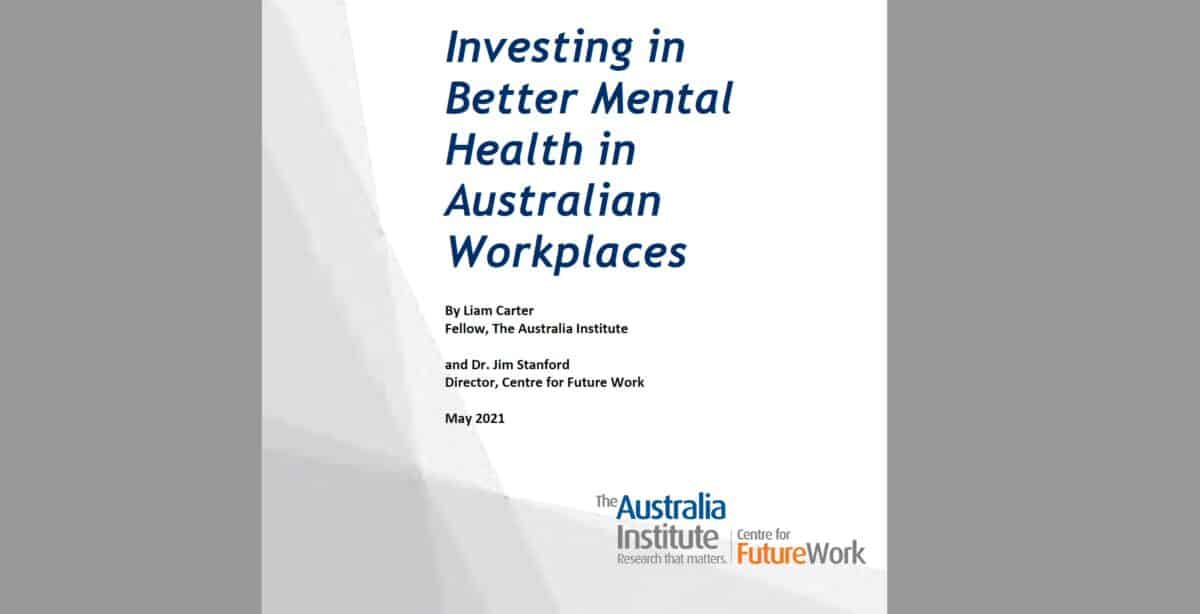
The ACTU does, however, with the help of the Australia Institute and Centre for Future Work, provide more data on work-related mental health. The union movement is one of the few voices that acknowledge the structural elements of OHS but fails to consider any options other than regulation and, with a federal conservative government in power, it is unlikely to receive an attentive audience.

Subscribe to SafetyAtWorkBlog to continue reading.
Subscribe Help
Already a member? Log in here

OHS needs to get a seat at the ESG table

There has always been an overlap between environmental safety and occupational health and safety (OHS). This has happened not because of any particular similarity between the two disciplines but rather because of company executives’ duties, responsibilities, and accountabilities.

A recent report produced through the Centre for Policy Development (CPD) says this about climate change responses:

“Care needs to be taken to ensure that climate-related targets and analysis are rigorous, underpinned by appropriate governance, strategy and action, reflected in financial statements as required.”

Replace “climate” with “OHS”, and the overlap is clear. This is particularly important at this time when Australia is preparing its next national OHS strategy.

Subscribe to SafetyAtWorkBlog to continue reading.
Subscribe Help
Already a member? Log in here

A “safe” workers memorial

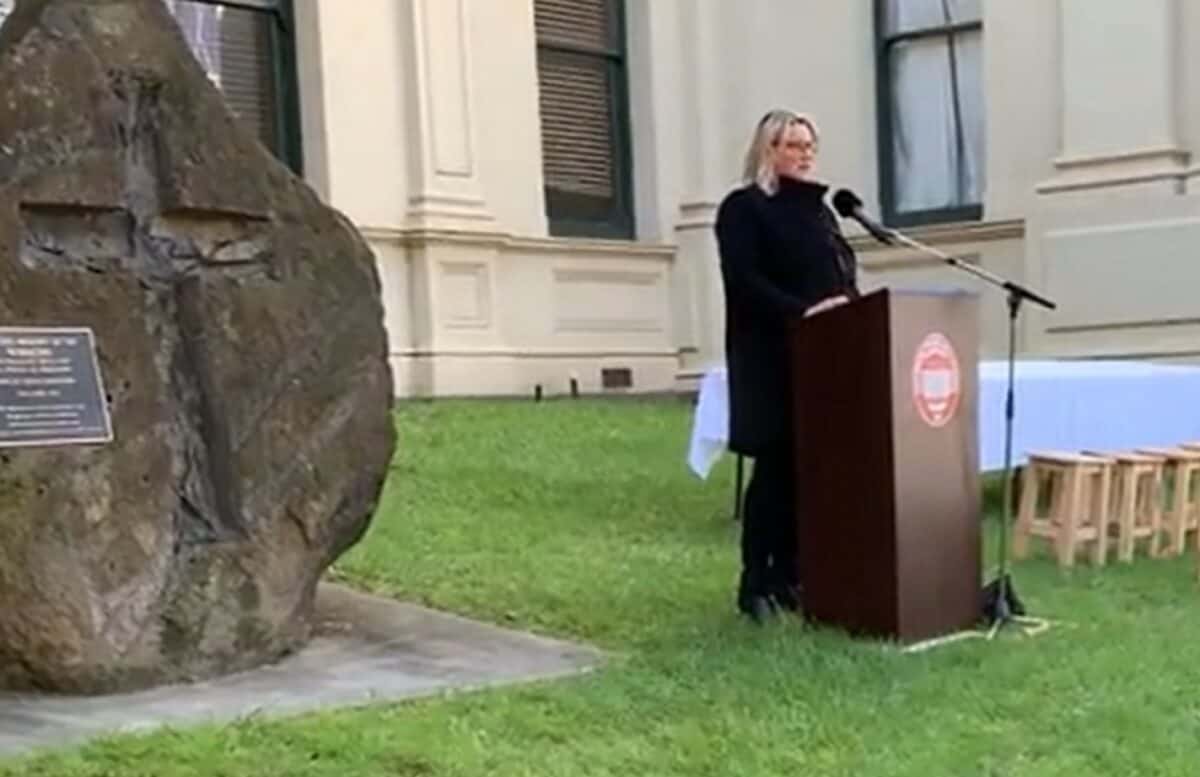
At yesterday’s memorial for workers, Victoria’s Minister for Workplace Safety, Ingrid Stitt (pictured above), announced more financial support for the families of deceased workers. She also pledged that the prevention of illness and injury will remain a focus of WorkSafe Victoria and the government, but the centrepiece of her speech was additional post-incident funding.

According to a media statement in support of her appearance at the memorial outside the Victorian Trades Hall, she announced

“…an increase in support delivered by WorkSafe Victoria’s Family Liaison Officers and Family Support Specialists in the first weeks following a workplace death [including] … appointing external Bereavement Support Workers, who will work with WorkSafe and families to ensure ongoing support is available, particularly ahead of important milestones relating to workplace deaths.”

The Minister’s commitment is consistent with the position of the Andrews Government for some time, especially since the campaign for Industrial Manslaughter penalties. The challenge may come from lobbying for grants for these support services.

Subscribe to SafetyAtWorkBlog to continue reading.
Subscribe Help
Already a member? Log in here

The hill that OHS needs to climb for respectability remains a mountain

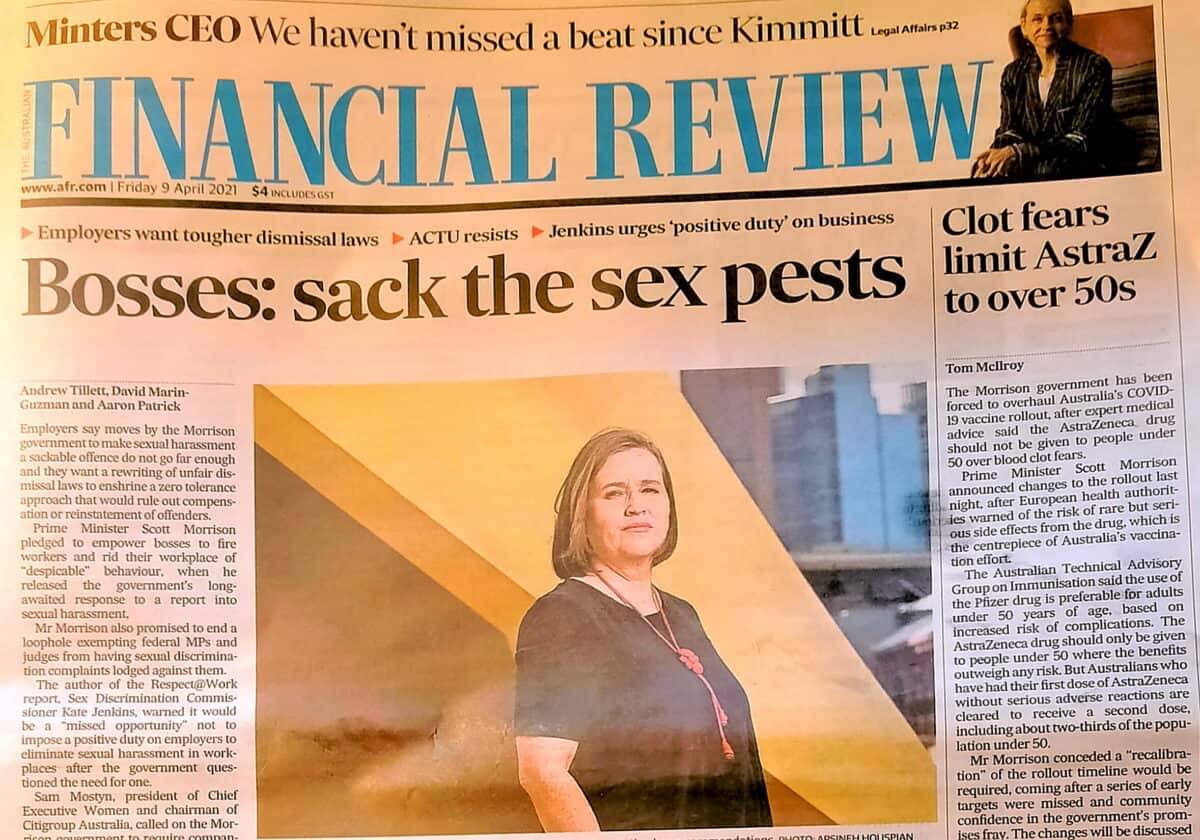
The current Australian debate about sexual harassment at work illustrates the forces ranged against occupational health and safety (OHS) being seen as a legitimate approach to preventing psychological harm. Entrenched Industrial Relations perspectives appear to be the biggest barrier. Such barriers are not always intentional and have evolved over years and decades as cultures and ideologies do. Some of the recent media coverage on the release of the Federal Government’s response to the report of the 2020 National Inquiry into Sexual Harassment in Australian Workplaces illustrates the dominance of industrial relations thinking – part of the reason Sex Discrimination Commissioner Kate Jenkins has described elements of the government’s response as a missed opportunity.

The OHS profession must start to overtly tackle each of these dominant perspectives.

Subscribe to SafetyAtWorkBlog to continue reading.
Subscribe Help
Already a member? Log in here

OHS is “… more what you’d call ‘guidelines’ than actual rules.”

Occupational health and safety (OHS) may not be a common subject in the mainstream media but there is plenty of political discussion on the topic in Australia’s Parliament.

The current (conservative) federal government seems very slow to accept and respond to recommendations from official inquiries that it sees as a secondary political priority, such as sexual harassment and workplace health and safety. The hearings of the Senate’s Education and Employment Legislation Committee on March 24 2021, were, as usual, enlightening.

Subscribe to SafetyAtWorkBlog to continue reading.
Subscribe Help
Already a member? Log in here

A clearer profile of workplace fatalities

In March 2021, WorkSafe Victoria released new statistics about workplace fatalities, but you would not know it unless you subscribed to WorkSafe’s news. Internet searches for Minister Ingrid Stitt and workplace safety for March only turns up WorkSafe actions on sexual harassment, but the March 16, 2021 media statement should have broader ramifications.

Subscribe to SafetyAtWorkBlog to continue reading.
Subscribe Help
Already a member? Log in here

Ask not what WorkSafe can do for you, but what you can do to improve safety

One of the most difficult industries in which to achieve occupational health and safety (OHS) improvements is farming, especially in areas where farming continues to be done by small family units. The safety culture of farming is unique as the workplace is embedded in community and rural culture. Some people believe that OHS regulators have given the agricultural industry an easy run for too long, as stated by Mick Debenham in a recent opinion piece in The Weekly Times (paywalled), but farmers should perhaps ask themselves why people continue to die on their farms and what they can do to change this.

Subscribe to SafetyAtWorkBlog to continue reading.
Subscribe Help
Already a member? Log in here
Concatenate Web Development
© Designed and developed by Concatenate Aust Pty Ltd