 In September 2018 Australia commenced an inquiry into sleep health awareness. At the time:
“The Committee Chair, Mr Trent Zimmerman MP, stated that ‘the Committee will examine the causes, economic and social costs, and treatment of inadequate sleep and sleep disorders.” (link added)
Although there is no timetable for the tabling of this Committee’s final report, many of the issues raised in the submissions relate directly to work and work-related mental health risks. Sadly there are hardly any solutions but this is a challenge to all public inquiries and which is particularly relevant to the current spate of Australian inquiries into OHS and mental health.
 The
The 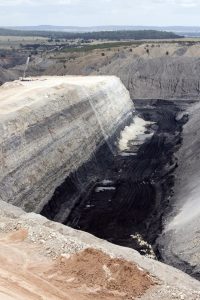 Discussions about safety in the mining sector continue with recent debate in the Queensland Parliament but change continues to be at a slow pace and in a manner that reflects “business as usual” rather than being innovative and establishing a sound base for business to grow, and grow safely.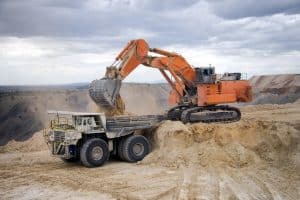
 If all you knew about occupational health and safety (OHS) was what you read in the physical or online newspapers , you would not know anything about safety management – or maybe anything positive. It takes being involved with managing safety in the real world to understand how OHS operates in the real world. But even then we only learn from our own experiences.