
 Australia is to have a Royal Commission into Misconduct in the Banking, Superannuation and Financial Services Industry. What’s this to do with occupational health and safety (OHS)? Not a lot, at first blush. OHS professionals and safety practitioners need to watch this Royal Commission because it could led to a fundamental reassessment of corporate culture. The OHS discipline is beginning to understand that it operates within that organisational, or corporate, culture; the same culture that will be examined over the next twelve to eighteen months.
SafetyAtWorkBlog has written repeatedly on safety culture and the potential OHS changes from investigating the corporate culture of banks. An analysis of corporate culture inevitably includes discussions of due diligence, corporate governance, leadership, accountability and ethics – all elements that are critical to understanding and building safe systems of work. Continue reading “Banking Royal Commission should not limit our thinking about culture”
 Episode 5 of Safety At Work Talks podcast contains a chat with safety lawyer and partner with Clyde & Co, Alena Titterton. The conversation touches on safety issues like industrial manslaughter, dealing with police at an incident, certification to safety standards, safety in procurement, and small business.
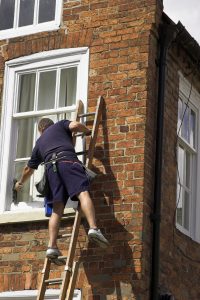 Engineering and design Standards have existed globally for a long time. They have considerable authority, often provided through legislation, and underpin many of the safety devices and equipment used in workplaces. But does compliance with Standards mean that something is safe?
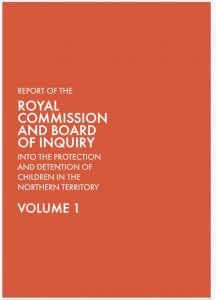 In June 2016, the Australian Broadcasting Corporation showed
 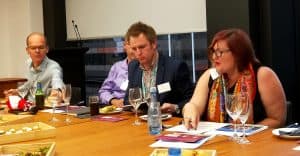 Last week in
 The occupational safety profession (OHS) in Australia is often described as being populated by older white males, as being dull and ill-informed. This perception has generated offshoots such as