
Recently the Australian Industry Group Chief Executive, Innes Willox, addressed the National Press Club in Canberra. The AIGroup is one of the “go to” business groups, along with the Business Council of Australia and mining industry groups, that the business media knows will comment on anything when asked, and frequently when not asked. Willox’s August presentation was on Industrial Relations, but it also illustrates the workplace and political culture in which occupational health and safety (OHS) must operate.
Category: law

The OHS of Working from Home remains problematic
When Australia harmonised its occupational health and safety (OHS) laws, the management focus broadened to include work, and not just workplaces. Some “knowledge” or white-collar work can be done anywhere, and employers have often struggled to understand how to extend their OHS management systems and duties to apply to this revised or expanded system of work. Current OHS guidance on working from home is too “big picture” when employers are addressing localised decisions.
OHS lawyer says to trust your gut
Occupational health and safety (OHS) seminars can be a bit hit-and-miss. Sometimes they seem to be a front for promoting a new management program, but every so often, the information offered is perceptive and rewarding. Herbert Smith Freehills partner Steve Bell has been consistently rewarding over many years. No quoting Section 321 of an OHS Act or PowerPoint slide of obscure and semi-important court cases here. His latest seminar appearance covered
- Due Diligence,
- Industrial Manslaughter,
- Psychosocial Risk Assessments
- OHS Harmonisation.
WorkSafe Victoria’s Director of Investigations says “Culture is nirvana”
Every so often, the spokespeople for occupational health and safety (OHS) regulators spread the public speaking load by having divisional heads speak at health and safety events. This week WorkSafe Victoria’s Director of Investigations, Peter Collins (pictured below), spoke at a breakfast seminar for the Australian Institute of Health and Safety, hosted by Herbert Smith Freehills. His presentation seemed like a prepared generic presentation which was okay but uninspiring. Given the nature of the investigations and prosecutions job, it should not have been a surprise that Collins was restricted on many of the topics he could speak of.
These AIHS seminars have been running annually for around 15 years and the Institute for decades, so there are some in the audience with long memories. Collins mentioned the persistent workplace hazards, such as manual handling and falls from heights, and
The latest attempt to address young worker safety
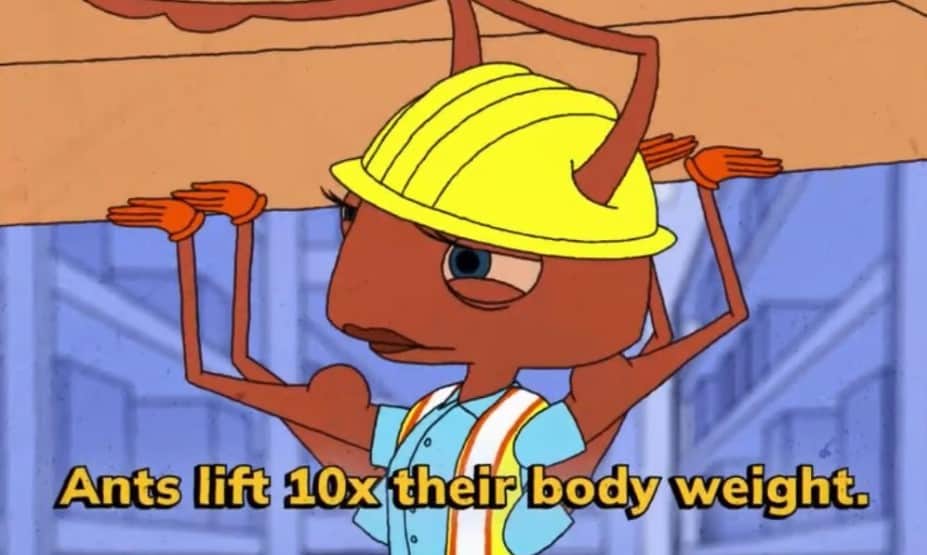
There have been dozens of attempts to promote occupational health and safety (OHS) through advertising. It is perhaps more difficult than ever due to the splintering of media types and the shifted control of media advertising to online global corporations. This new structure does not stop people from trying, and this is a good thing.
The upcoming 23rd World Congress on Safety and Health at Work includes the International Media Festival for Prevention 2023, an event that previously has unearthed significant OHS promotions like Shoelaces. But OHS regulators are persistent in their promotional work. A recent attempt was by Ontario’s Workplace Safety Insurance Board (WSIB), aimed at younger workers and to maximise social media influence.

Advice for the 23rd World Congress on Safety and Health at Work
I will be attending the 23rd World Congress on Safety and Health at Work in Sydney in November 2023. After a previous attendance at the Singapore conference a few years ago, I have high hopes but also some reservations.
The Congress is a major opportunity to open our minds. We Australians may think we are leading in some areas of occupational health and safety (OHS), but other than nominated speakers, we may need to be silent about our success until after we have listened and learned about the OHS experience of others. Some delegates will have an inflated sense of importance (more than ours), but most have come to learn, and it’s these delegates on whom we should focus.

Job redesign should be a measure of business leadership
A consistent, manageable workload balanced by official leave and hours allowing social reconnection and mental recharge is ideal. It is the structure on which Industrial Relations (IR) and occupational health and safety (OHS) are based. Many people struggle to achieve this ideal even when it is prescribed by workplace laws. Many jobs simply ignore this prescription. In The Age newspaper on July 15 2023, journalist Jane Cadzow wrote about one of these jobs, the “Political Chief of Staff”. The inherent harm of the job was noted in the headline:
“‘They’re driving me insane’: The 24/7 life of a political chief of staff”