Is psychosocial harm always preventable?

Occupational health and safety (OHS) in healthcare is a unique experience. Patient care and patient safety seem to override the OHS duties for healthcare workers. This is understandable given the culture and purpose with which people work; however, it is short-sighted, especially on the issue of mental health at work.

A new book on burnout (yes, another, and there are even more) was published recently on the issue of preventing burnout for healthcare workers, written by John Halbesleben. This 2nd edition has a slightly revised title to reflect the changing emphasis on mental health at work.

Halbesleben writes that the first edition from 2009 tried to convince readers that burnout was an occupational risk. Since then, that fact is now accepted, and not just because of the coronavirus pandemic. He writes:

Subscribe to SafetyAtWorkBlog to continue reading.
Subscribe Help
Already a member? Log in here

Legal Professional Privilege is the OHS equivalent of the Non-Disclosure Agreement

Pam Gurner-Hall is no stranger to this blog. Recently she appeared in an article by the Australian Broadcasting Corporation (ABC) about access to information from South Australia’s occupational health and safety (OHS) regulator, SafeWorkSA.

SafeWorkSA has been under considerable scrutiny for the last few years. A “root and branch” review conducted by John Merritt is the latest inquiry. [Note: this article was written before the release of the Merritt report and the Government’s interim response last weekend. More on that report shortly]

Gurner-Hall’s concerns seem more about the government’s response to the inquiry and the application of Legal Professional Privilege (LPP). She is quoted saying:

Subscribe to SafetyAtWorkBlog to continue reading.
Subscribe Help
Already a member? Log in here

Trucking inquiries scare the Conservatives

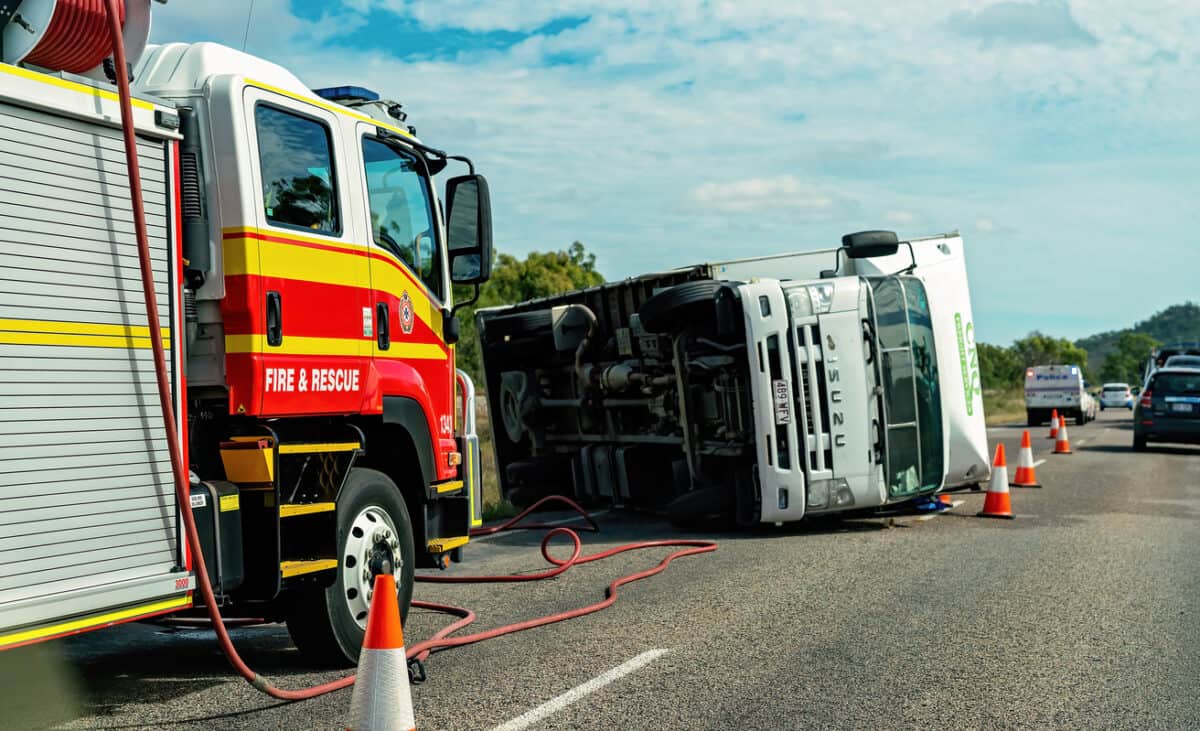
Australia’s newspapers have recently reported on the moves by the Federal Government to review the safety and working conditions of the country’s truck drivers. As expected, The Australian newspaper is painting this as the Government paying back its ideological and financial backers – the trade unions – and the resurrection of the Road Safety Remuneration Tribunal (RSRT), even though the Government denies this will happen.

Occupational health and safety (OHS) sits behind some elements of the debate. As with most things OHS, it will not be a game-changer in a discussion over pay rates and minimum standards, but it is a serious consideration, and deservedly so.

Subscribe to SafetyAtWorkBlog to continue reading.
Subscribe Help
Already a member? Log in here

Extreme heat

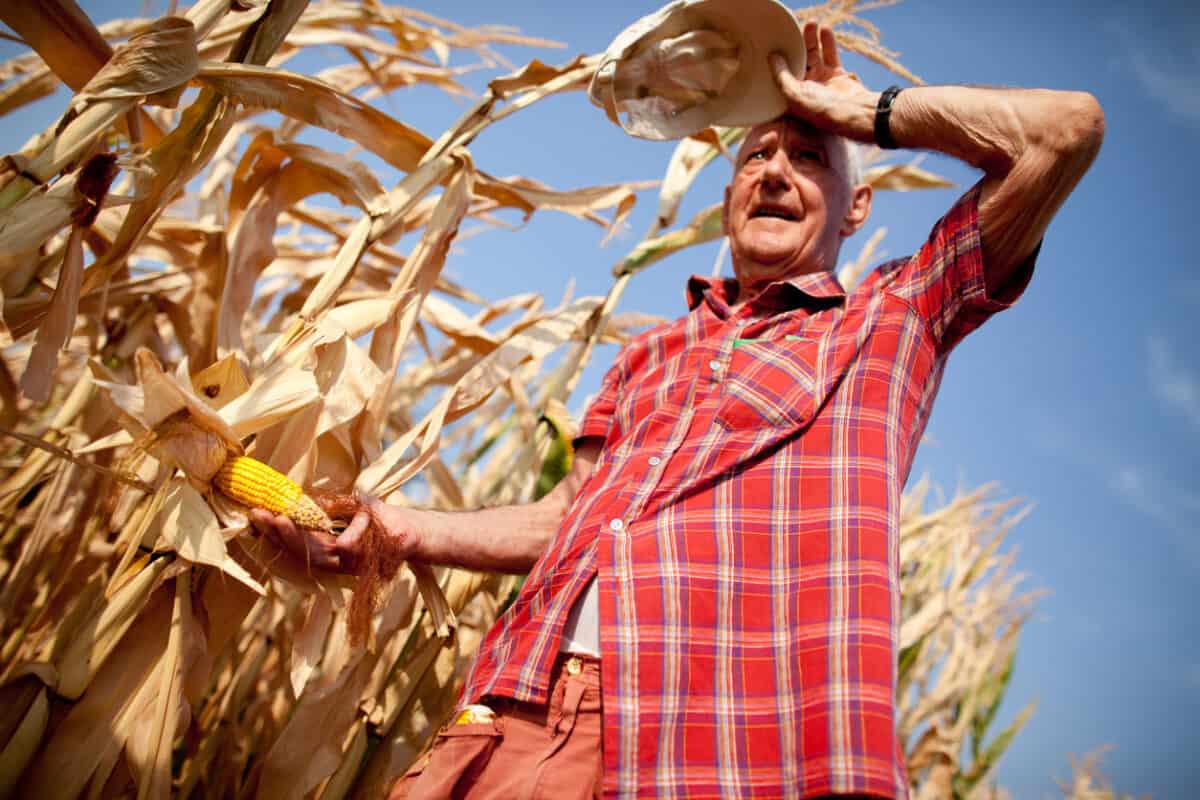
Global warming is affecting how we work just as much as how we live. Working in Heat policies are designed based on experience rather than meteorological and climate forecasts, meaning these documents are always chasing reality and not getting ahead of the occupational hazard.

On January 19, 2023, Steven Greenhouse (coincidental name) looked at the topic of working in extreme for Nieman Reports writing that:

“High heat can be a big problem for the nation’s workers, not just farmworkers and construction workers, but delivery workers, utility workers, landscaping workers, and warehouse workers.”

Subscribe to SafetyAtWorkBlog to continue reading.
Subscribe Help
Already a member? Log in here

Don’t mention profit

The primacy of profit to employers is an accepted truth. However, the size of the profit and the pathway to those profits are not absolutes, and it is in this latter context that occupational health and safety (OHS) lives.

Even though profit is a business truth, it is often a word that business representatives seem to fear. They speak of profit through synonyms like “productivity” and “competitiveness”. An example of this timidity or wariness was displayed recently by prominent businessman Michael Angwin in an opinion piece in the Australian Financial Review (paywalled) that contained many other cautious words of business jargon. Angwin misses the harm to workers and others generated by the world as he sees it.

Subscribe to SafetyAtWorkBlog to continue reading.
Subscribe Help
Already a member? Log in here

Revisiting the sociology of work

I am always surprised how few people who talk about workplace and safety cultures seem not to have read the great sociologists of culture. Raymond Williams was important when I studied sociology and literature at university in the 1980s. I was reminded of his importance by this article in Catalyst.

As neoliberalism experiences a decline in influence on governments and corporations, it is useful to look at the sociology of culture from the pre-neoliberalism days, even if only dipping into my bookshelves. The Catalyst article opens with this:

“Raymond Williams hasn’t survived the cultural turn intact. Even though he was instrumental in foregrounding the significance of culture in human affairs, his materialist methodology and commitment to socialism jarred against the textualism and cultural relativism of the last three decades. The rise of neoliberalism had an effect as well. It undercut the values of cooperation and solidarity that were key to postwar radical intellectuals like Williams. But a Williams revival is finally underway.”

Subscribe to SafetyAtWorkBlog to continue reading.
Subscribe Help
Already a member? Log in here

Give me a young worker, and I can make them safer for life*

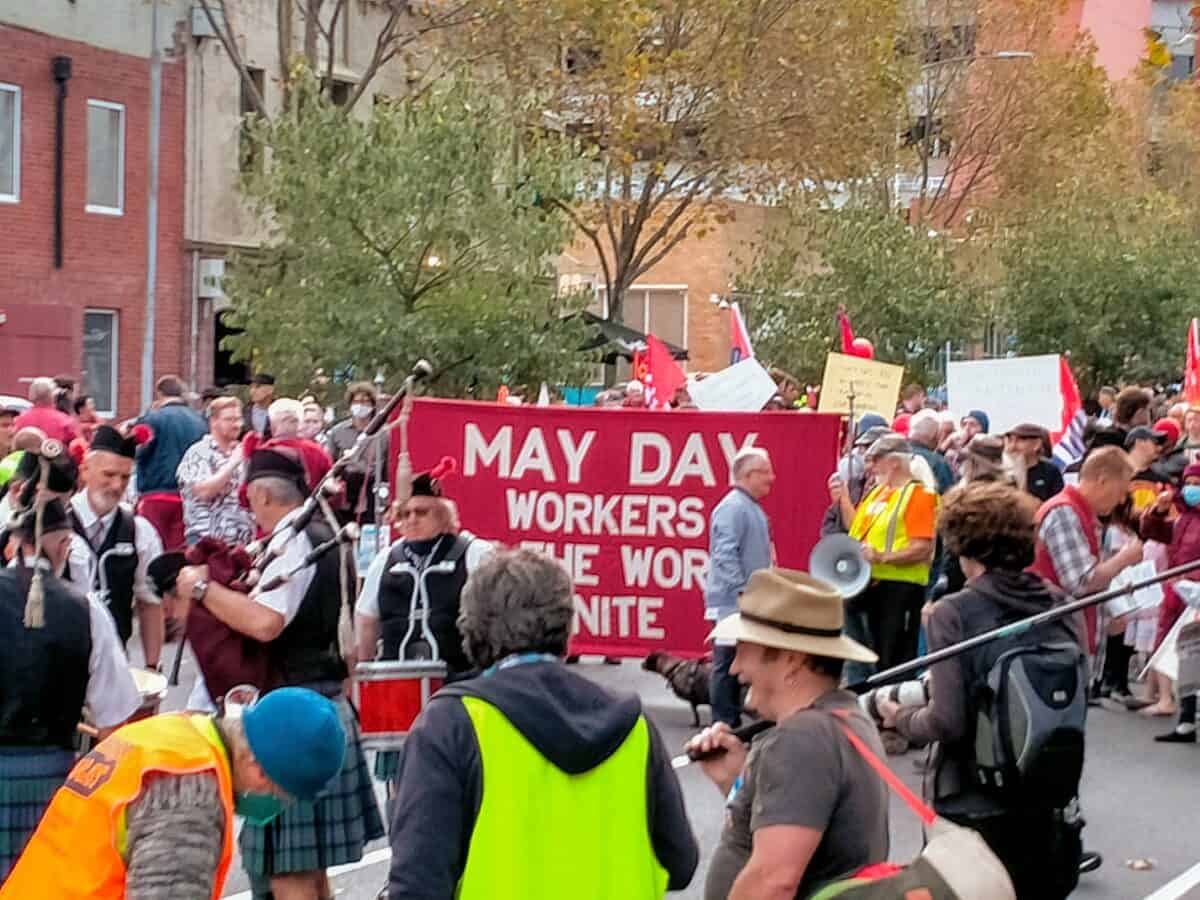
Trade union membership in Australia has declined to its lowest level ever of 12.5%, according to an article in The Age newspaper (paywalled) on January 6 2023. The experts mention several demographic factors that have resulted in the persistent decline. Even though trade unionists publicly state that worker health and safety is often their top priority, they never seem to use occupational health safety (OHS) in their marketing of union membership.

This article does not suggest that OHS be bastardised for commercial purposes or that the primary responsibility for safe work does not reside with the employer. Still, union membership may be purchased for a young worker, in particular, perhaps by parents or concerned relatives to assist in keeping their loved ones safe at work.

Subscribe to SafetyAtWorkBlog to continue reading.
Subscribe Help
Already a member? Log in here
Concatenate Web Development
© Designed and developed by Concatenate Aust Pty Ltd