
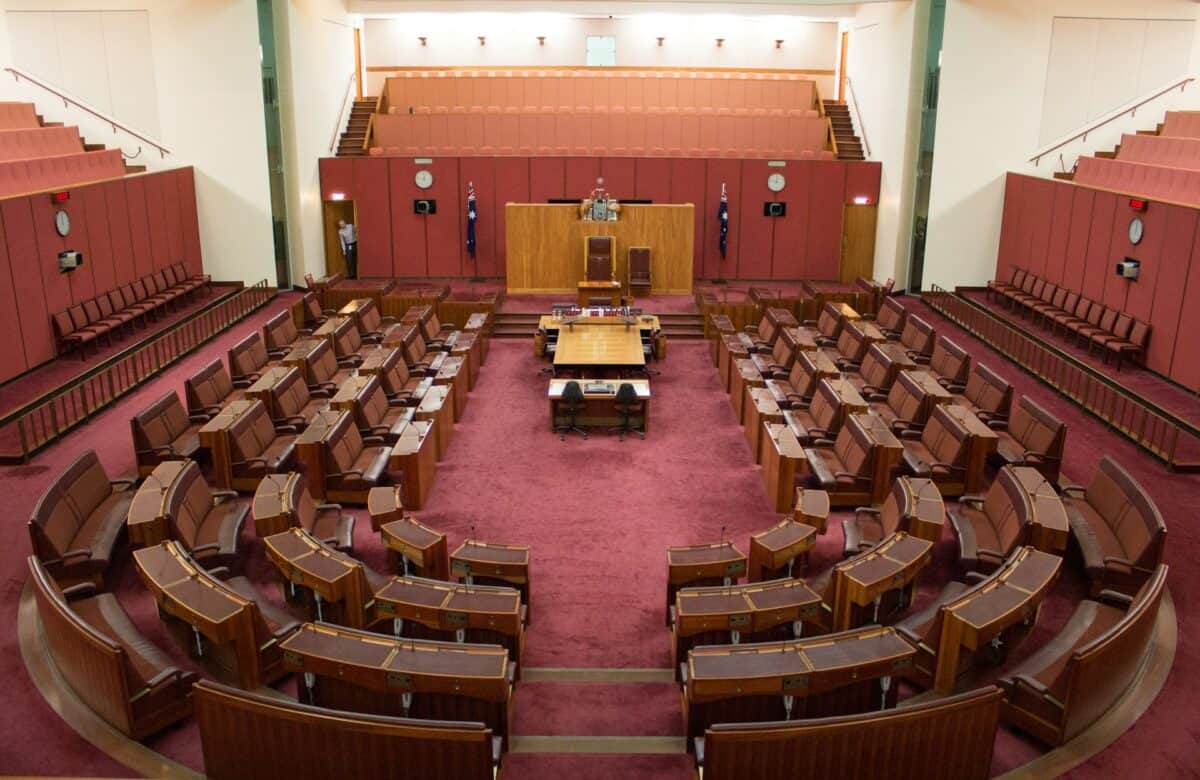
Safe Work Australia’s (SWA) executives are obliged to attend meetings of Senate Estimates committees to answer questions from Senators about their portfolios. Sometimes these can be tense and robust. Sometimes these appear to be a waste of time.
Category: law
OHS and Politics
In support of Australia’s Safe Work Month, I have recorded a 12-minute opinion piece on how Australian politics since 2010 has affected the perception and development of occupational health and safety, based on past SafetyAtWorkBlog articles.
It is an interesting opportunity to reflect on the decisions and actions of influential individuals like Julia Gillard, Kristina Keneally, Jeff Lawrence, and David Gregory.

Workplace safety reform is happening but you probably won’t hear about it in the headlines
Occupational health and safety (OHS) can feel like a humdrum career when working in a low-risk, well-managed organisation. But the wheels of change roll on. Here’s a quick sample of some of that activity over the last week or so that you are unlikely to see elsewhere.

Culture is the New Compliance in Victoria’s Psychological Health Code
The most significant challenges for employers in Victoria’s new OHS (Psychological Health) Regulations, supported by a new Compliance Code, are likely to be fostering a strong workplace safety culture. Occupational health and safety (OHS) advocates have been emphasising the importance of culture for several decades now (Sociologists examined it decades before). It appears that we will be hearing a great deal more about culture for some time to come, but what is expected of employers?
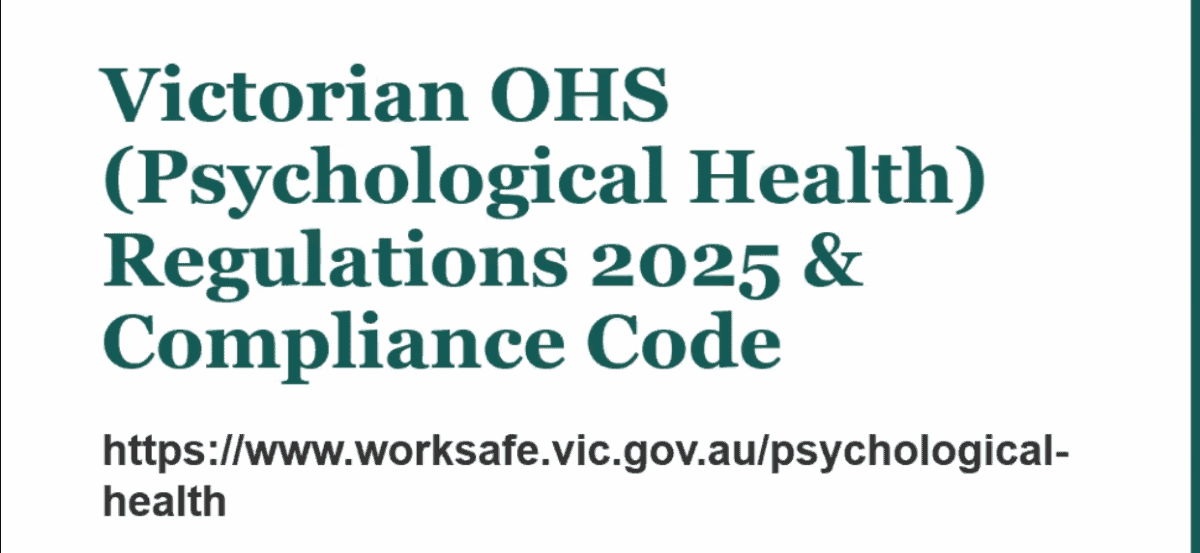
Polishing What Exists: Making Sense of the New Psych Safety Code
Prominent occupational health and safety (OHS) lawyers Dale McQualter and Catherine Dunlop have just concluded the first of two online seminars about Victoria’s new psychological/psychosocial regulations and compliance code. Many employers will have a lot of work to do to comply, but the overall sense was one of reassurance.
Victoria’s Psych Safety Code identifies preventions, and HR help will be needed
The release of new psychological safety workplace regulations and guidance in Victoria is a big thing. Partly because this closes the gap, with similar occupational health and safety (OHS) regulations now in place throughout Australia. Partly because Victoria was an early advocate for changes to these workplace hazards, and the government sat on its hands with this issue for far too long. (No one really knows why)
A quick read of the Compliance Code suggests that many of these hazards are unlikely to be controlled without the cooperation of Human Resources (HR) personnel. This might be the biggest challenge to achieving change and preventing harm.
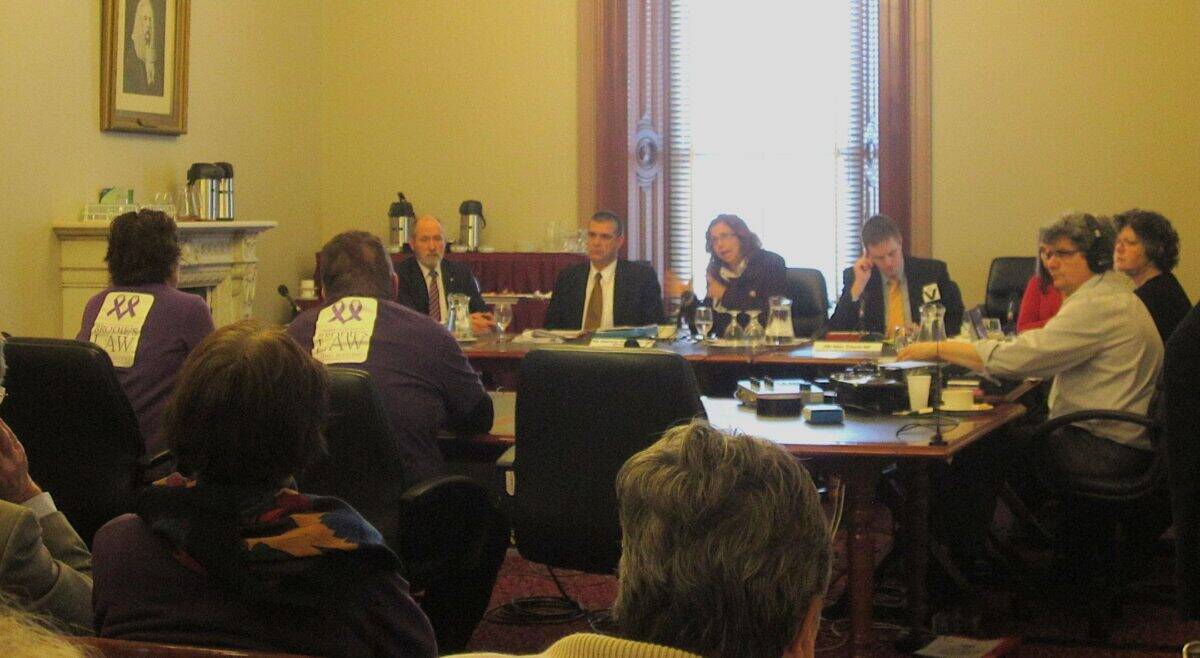
If you think psychosocial hazards are a nonsense, learn about Brodie Panlock
Next year marks the 20th anniversary of the death of Brodie Panlock. I have been thinking of her a lot over the last few months as Victorian employers (finally) start to seriously consider their legislative obligations to provide a mentally safe and healthy work environment. I wonder whether the new psychosocial safety regulations had been in place in 2005-06, Brodie Panlock would have lived.
[Note: This article discusses issues related to suicide.]