On the eve of International Workers Memorial Day, I attended a seminar about the management of fatalities and serious injuries conducted by a group of risk management and insurance agents. Prevention was not on the agenda which led to some surprising statements.
Category: state of knowledge
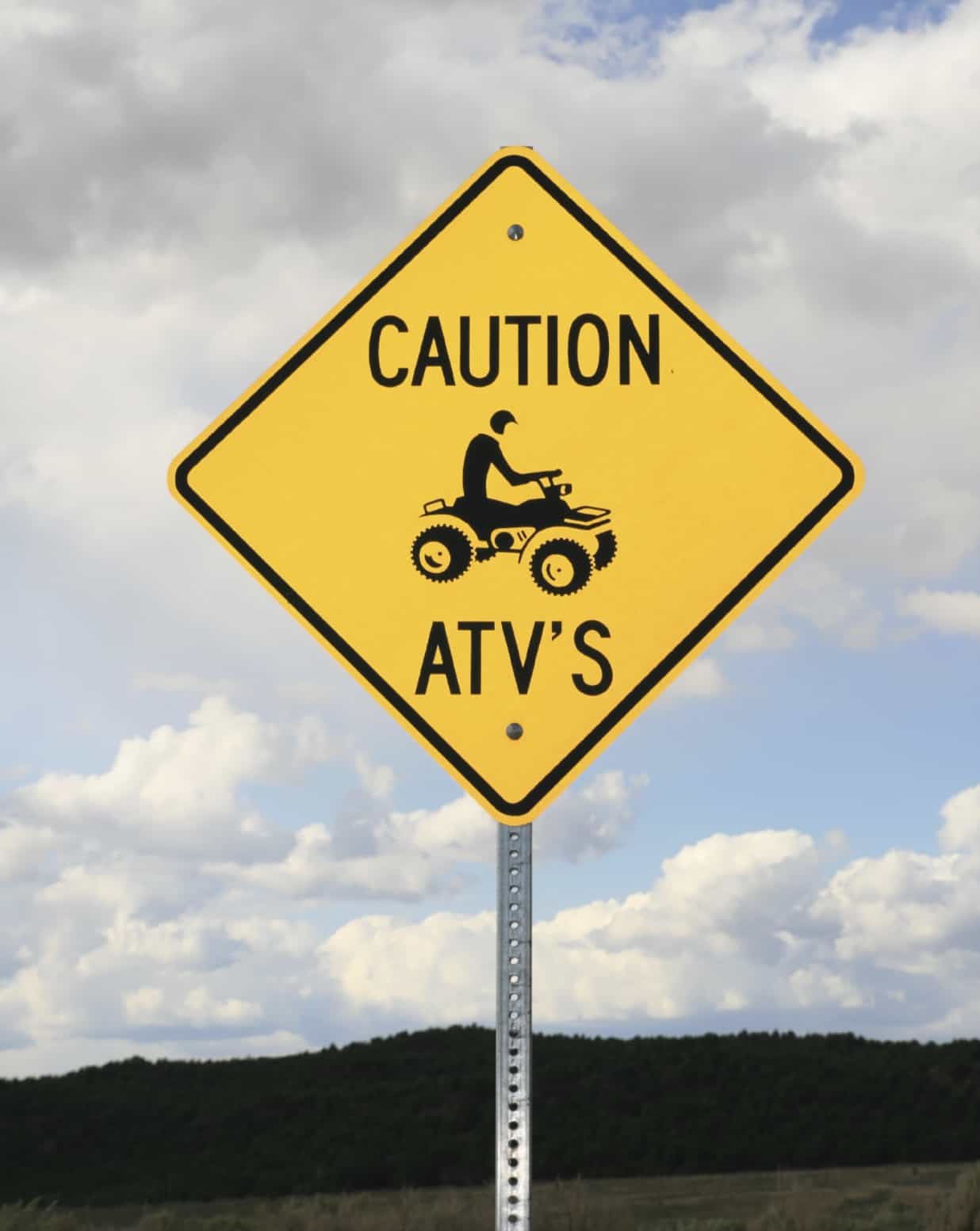
WorkSafe enters battle over quadbike safety
A decision by WorkSafe Victoria about the fitting of crush protection devices (CPD) to quad-bikes (All Terrain Vehicles/ATV) gained the major prominence in the latest edition of a major Australian farming newspaper, The Weekly Times. The newspaper reports that
“WorkSafe Victoria is tightening rules around quad bikes that will see them banned in workplaces unless appropriate rollover protection is fitted.”
Some of the argument over the last 24 hours has been around whether this means that CPDs are mandatory and, as always, cost.
Talking about safety – old skills in new ways
Australia’s latest Prime Minister, Malcolm Turnbull, has a strong background in technology investment and is urging the country to embrace innovation. This has generated a focus on information technology start-ups but it may also create opportunities for occupational health and safety (OHS) professionals, if they are willing to change.
There has been a quick growth in
SafetyAtWorkBlog’s most popular articles of 2015
SafetyAtWorkBlog has had a successful 2015, consolidating itself as a valid independent voice on workplace health and safety, particularly in Australia. But readers don’t get access to some of the statistics for the site and as a year in review exercise below are the top five most-read articles written in 2015, highest readership first:
Impairment argument fails to convince Fair Work Commission over unfair dismissal
Research raises serious questions on SIA’s certification push
Some are losing faith in the Victorian Workcover Authority
Safety learnings from construction Continue reading “SafetyAtWorkBlog’s most popular articles of 2015”
OHS benefits of motion sensors and contemporary anthropometry
Several years ago, at a workshop over the development of the next Australian National Strategy for occupational health and safety (OHS), participants were asked to forecast an issue that would appear or be useful in the next decade. I suggested sub-dermal implants that would record or transmit real-time health data. My suggestion was received with laughter and a little bit of horror.
The sub-dermal implants for OHS monitoring are yet to occur but the electronic collation of important health data has progressed to a high level of relevance. This not only involves measuring body stresses but the bodies themselves. Continue reading “OHS benefits of motion sensors and contemporary anthropometry”
Time to reassess our approaches to machinery safety
Talking about workplace safety and machine manufacturing is unfashionable, perhaps because Australia’s manufacturing capacity is in strong decline. And occupational health and safety (OHS) seems preoccupied at the moment with psychosocial hazards and wellness. But one Australian researcher, Elizabeth Bluff, has undertaken an empirical study of safety attitudes, motivations and practice in the manufacturing and OHS regulatory sectors and produced a remarkable book that needs to be read by everyone involved with workplace health and safety.
Bluff writes
“In illuminating the mechanisms underlying manufacturers’ responses for machinery safety the research also makes wider conceptual and theoretical contributions. It provides insights into knowledge and motivational factors as principal elements shaping firm performance for social and regulatory goals, and advances understanding of how these elements are constituted in the everyday operations of firms and their interactions with external actors.” (page 3)
Continue reading “Time to reassess our approaches to machinery safety”
OHS Professionals get, or want, global attention
The International Network of Safety & Health Practitioner Organisations (INSHPO) has launched the “The OHS Professional
Capability Framework – A Global Framework for Practice“. The document reflects many of the issues raised in recently published research on occupational health and safety (OHS) professionalism, accreditation and certification. However there are a couple of useful issues to note, from a very brief review, that indicate a major step forward.
Professional, Practitioner, Generalist
Australian OHS professionals have felt insulted over the last few years by the use of the title “OHS Generalist”. The proponents of this concept failed to understand that the term was divisive (and insulting to some) and this failure indicates a persistent problem in communicating change to the OHS profession in a manner that fosters cooperation. The INSHPO document seems to drop the Generalist category so beloved by the Australian OHS Education Accreditation Board. Continue reading “OHS Professionals get, or want, global attention”